Yazılar

Do Kwon Pleads Not Guilty to U.S. Fraud Charges in $40 Billion Crypto Collapse

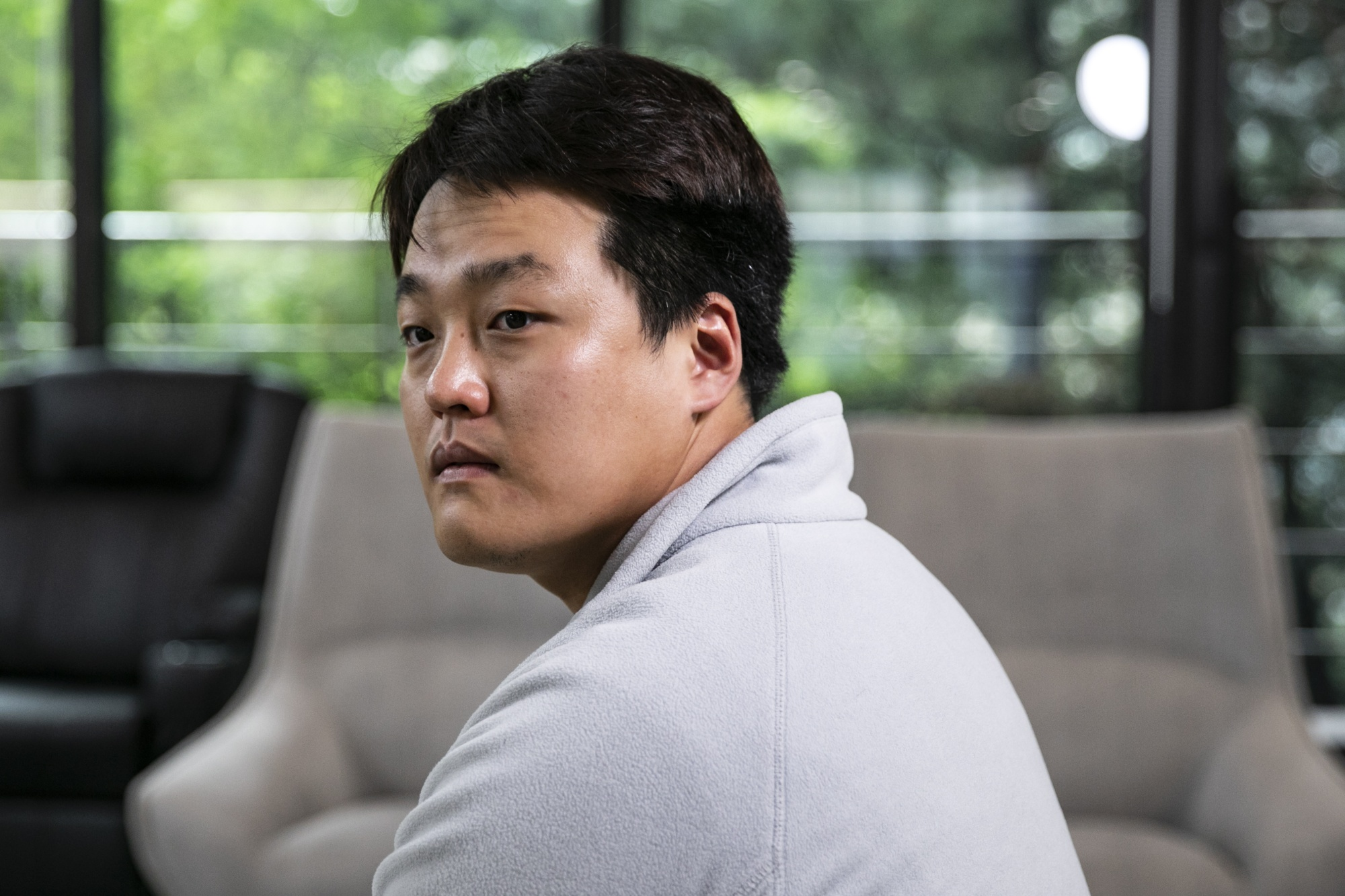
Do Kwon, the South Korean founder of Terraform Labs, pleaded not guilty on Thursday to U.S. fraud charges related to the collapse of his cryptocurrencies TerraUSD and Luna, which resulted in an estimated $40 billion in losses in 2022. The plea followed Kwon’s extradition from Montenegro earlier this week.

Federal prosecutors in Manhattan unsealed a nine-count indictment against Kwon, charging him with securities fraud, wire fraud, commodities fraud, and conspiracy to commit money laundering. The allegations stem from claims that Kwon deceived investors about the stability and mechanisms of TerraUSD, a so-called stablecoin intended to maintain a value of $1.

Court Proceedings

At the hearing before U.S. Magistrate Judge Robert Lehrburger, Kwon, 33, appeared in casual attire as his lawyer, Andrew Chesley, entered the plea. Kwon was ordered to remain detained, as his legal team did not request bail. He is scheduled to return to court on January 8.

Prosecutors allege that in 2021, Kwon falsely claimed that the “Terra Protocol,” a computer algorithm, restored TerraUSD’s value when it dipped below its $1 peg. In reality, prosecutors assert, a high-frequency trading firm secretly purchased millions of dollars worth of TerraUSD to artificially stabilize its price. These actions allegedly misled retail and institutional investors, driving up the value of Luna, a related cryptocurrency, to $50 billion by early 2022.

When TerraUSD’s value plummeted again in May 2022, prosecutors said efforts to support its price failed, leading to a crash that impacted other cryptocurrencies, including Bitcoin, and caused widespread market disruption.

Legal and Financial Fallout

In June, Kwon agreed to an $80 million civil fine and a ban on crypto transactions as part of a $4.55 billion settlement with the U.S. Securities and Exchange Commission (SEC). The SEC had previously identified Jump Trading as the firm that supported TerraUSD’s price in 2021, though prosecutors have not named it in the current case.

Terraform Labs declared bankruptcy in January 2023, and Kwon faced additional legal troubles in Montenegro, where he was detained on forgery charges in March 2023 before being extradited to the U.S.

Industry-Wide Reckoning

Kwon is among several cryptocurrency leaders facing legal scrutiny following the 2022 downturn in digital asset prices. Sam Bankman-Fried, founder of FTX, is appealing his conviction and 25-year sentence for defrauding customers out of $8 billion, while Alex Mashinsky, former CEO of Celsius Network, recently pleaded guilty to fraud charges.

As one of the most high-profile cases in the crypto sector, Kwon’s trial is expected to serve as a critical test of accountability in the rapidly evolving cryptocurrency market.
 

Bitcoin Surges Past $100,000 Amid Trump-Driven Crypto Optimism

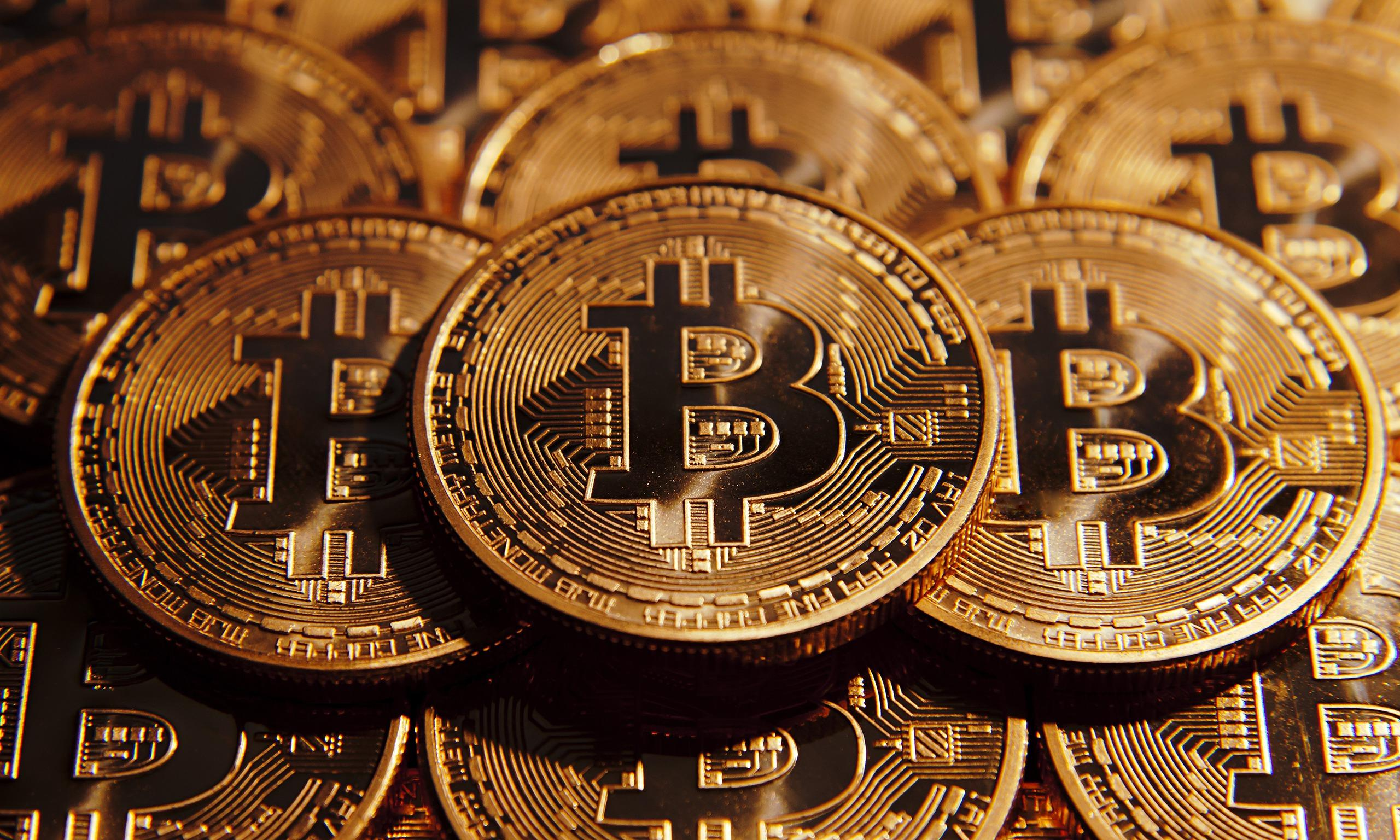
Bitcoin crossed the $100,000 mark for the first time on Thursday, signaling a historic milestone for digital assets. The surge followed U.S. President-elect Donald Trump’s nomination of pro-crypto advocate Paul Atkins to lead the Securities and Exchange Commission (SEC), propelling Bitcoin to a record high of $103,619 before settling at $102,650.

The cryptocurrency market, now valued at nearly $3.8 trillion according to CoinGecko, has doubled in size this year, rivaling the market capitalization of tech giant Apple. Bitcoin, often viewed as the face of decentralized finance, has doubled its value in 2024 and surged more than 50% in the four weeks since Trump’s election victory, which brought a wave of crypto-friendly lawmakers into Congress.

Institutional Adoption and Regulatory Momentum

Industry experts describe this moment as a “paradigm shift” for digital assets. Mike Novogratz, CEO of Galaxy Digital, highlighted factors such as institutional adoption, tokenization advancements, and clearer regulatory frameworks as drivers of Bitcoin’s mainstream integration.

Trump’s campaign promises to make the U.S. a global leader in cryptocurrency, coupled with his pledge to accumulate a national Bitcoin reserve, have bolstered market optimism. Pro-crypto policies and the nomination of Atkins, known for his work on digital asset best practices, signal a more favorable regulatory landscape. The Blockchain Association praised Atkins as a key figure in ushering a “new wave of American crypto innovation.”

Institutional and Market Drivers

Institutional investors have played a significant role in Bitcoin’s rally. U.S.-listed Bitcoin exchange-traded funds (ETFs), approved in January 2024, have attracted over $4 billion since the election, accounting for approximately 3% of Bitcoin’s total supply this year. The normalization of digital assets in financial markets is becoming evident, with trading desks for cryptocurrencies emerging alongside traditional asset classes such as foreign exchange and commodities.

Bitcoin’s journey into six-figure territory also marks a dramatic recovery from its 2022 lows of under $16,000, following the collapse of the FTX exchange. Analysts note that the launch of Bitcoin futures in 2017 and the strong performance of BlackRock’s Bitcoin ETF options in November 2024 further demonstrate the financialization of the asset.

Crypto-related stocks have surged alongside Bitcoin’s rise. Companies like MARA Holdings and Coinbase saw their shares climb 65% in November, while MicroStrategy, which holds over 402,000 bitcoins, has gained 540% this year.

Criticism and Resilience

Despite its success, the cryptocurrency industry faces ongoing criticism. Concerns over energy consumption, crypto-related crime, and unfulfilled promises of transformative financial technology persist. On Wednesday, U.S. and U.K. authorities disrupted a cryptocurrency-based global money laundering ring tied to Russian elites and drug traffickers.

Still, Bitcoin’s resilience has drawn attention. Russian President Vladimir Putin remarked that its decentralized nature makes it immune to prohibition. Economists like Shane Oliver of AMP acknowledge Bitcoin’s momentum but admit its value remains difficult to assess, adding, “As time goes by, it’s proving itself as part of the financial landscape.”

The Road Ahead

As the Trump administration prepares to take office, the cryptocurrency market appears poised for further growth. Trump’s launch of World Liberty Financial in September, along with Elon Musk’s continued advocacy for digital assets, underscores the increasing prominence of cryptocurrencies in shaping future financial systems.

JPMorgan Drops Lawsuit Against Tesla Over Stock Warrants

JPMorgan Chase and Tesla have agreed to settle their dispute over a 2014 stock warrants contract, ending a lawsuit that had been ongoing since 2021. In a joint filing submitted to a Manhattan court on Friday, both companies stated they would drop their claims against each other.

The terms of the settlement were not disclosed, and neither company responded to media requests for comment. Bloomberg News first reported the settlement.

The legal battle stemmed from a 2014 agreement in which Tesla sold stock warrants to JPMorgan. Warrants give holders the right to purchase stock at a set price and date. JPMorgan claimed the value of the warrants was significantly impacted by a controversial 2018 tweet from Tesla CEO Elon Musk, where he stated his intention to take Tesla private at $420 per share, adding that he had “funding secured.” Musk later abandoned the plan, causing Tesla’s stock price to fluctuate widely.

JPMorgan argued that it was contractually obligated to adjust the warrants’ strike price to reflect the stock price volatility caused by Musk’s tweet and its aftermath. The bank claimed this adjustment led to Tesla owing $162.2 million, which the automaker did not pay.

Tesla countersued in January 2023, accusing JPMorgan of trying to exploit the situation for financial gain by demanding an unwarranted payout.

The dispute highlights the broader implications of Musk’s social media activity, which has led to regulatory scrutiny. Following the 2018 tweet, Musk reached an agreement with the U.S. Securities and Exchange Commission (SEC) to have certain tweets pre-approved by a Tesla lawyer.

The settlement ends one of the lingering legal battles between Tesla and its corporate partners, closing a chapter in the companies’ tumultuous relationship.