Yazılar

Intel Announces Board Reshuffle Amid Turnaround Efforts

Intel has announced that three board members—Omar Ishrak, Tsu-Jae King Liu, and Risa Lavizzo-Mourey—will not stand for reelection at the company’s 2025 annual meeting, according to a regulatory filing on Thursday. This move is part of Intel’s ongoing board restructuring to align with its renewed focus on the semiconductor industry under newly appointed CEO Lip-Bu Tan.

The changes will reduce the board’s size to 11 members. Meanwhile, Intel has already bolstered its leadership with industry veterans Eric Meurice, former CEO of ASML, and Steve Sanghi, interim CEO of Microchip Technology, who joined in December. These appointments mark a shift away from Intel’s previous board composition, which included leaders from academia, finance, and healthcare.

In a letter to shareholders, Tan emphasized his commitment to Intel’s turnaround strategy, focusing on both product innovation and contract chip manufacturing. His appointment follows the departure of former CEO Pat Gelsinger, whose severance package was approximately $7.9 million.

Wolfspeed Appoints Robert Feurle as CEO Amid Industry Challenges

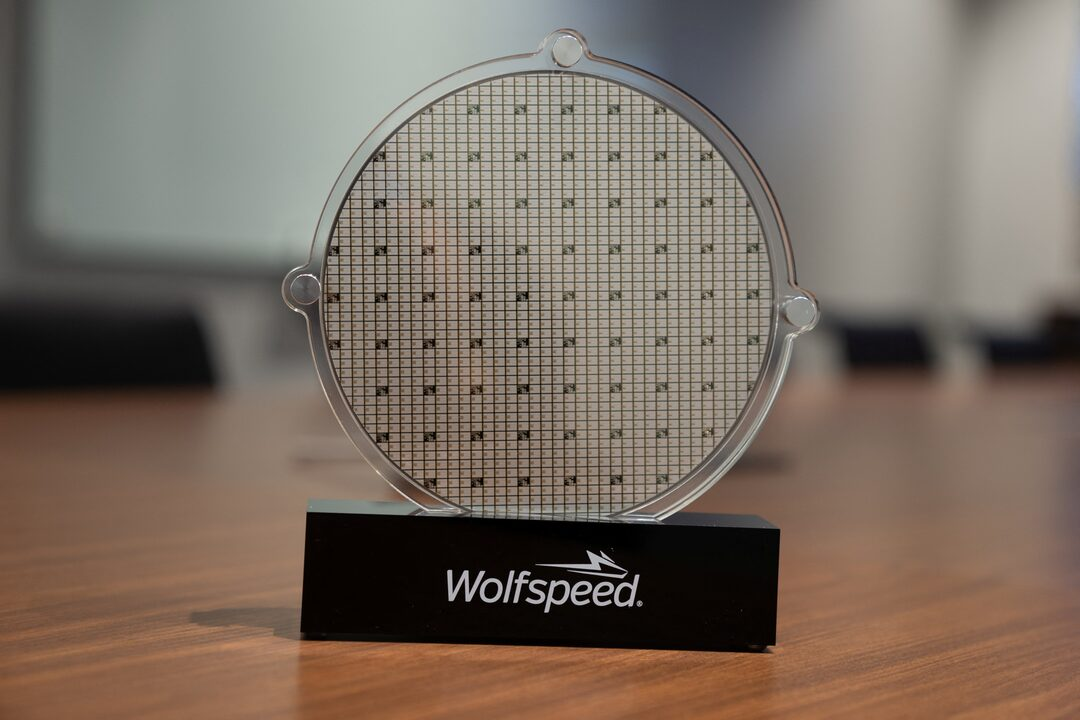
Chipmaker Wolfspeed (WOLF.N) has named Robert Feurle as its new CEO, effective May 1, replacing interim chief Thomas Werner, who will resume his role as chairman. Feurle, a seasoned semiconductor executive, previously held key positions at Micron Technology, Infineon Technologies, and ams-OSRAM AG.

The leadership change follows the board’s decision to oust former CEO Gregg Lowe in November without cause. Wolfspeed has been restructuring its operations, including facility closures, to improve profitability amid slowing demand from automotive, industrial, and energy markets.

Feurle expressed confidence in revitalizing the company’s operating plan and accelerating its path to positive free cash flow. Wolfspeed continues to focus on silicon carbide technology, with significant investment in a 200-millimeter silicon carbide fab to enhance efficiency and production capacity.

Despite the announcement, Wolfspeed’s shares fell about 2% in early trading.

JSR’s Incoming CEO to Prioritize Financial Recovery, Shifts Away from M&A Plans

Tetsuro Hori, the incoming CEO of Japanese chip materials maker JSR, has signaled a strategic shift in focus toward financial recovery rather than industry consolidation. Hori, who will assume his role on April 1, emphasized that JSR’s current financial struggles make it unprepared for acquisitions.

Key Priorities and Potential Divestment

Hori highlighted the urgent need to improve JSR’s life sciences business, which has suffered losses and impacted overall performance. Industry speculation has grown regarding a possible sale of the division, a scenario Hori has not ruled out. “JSR might not be the best owner of the life science business,” he admitted, though he stressed that any decision would depend on improved financial performance.

Change in Strategy from Previous Leadership

Under outgoing CEO Eric Johnson, JSR was taken private last year in a $6 billion buyout by Japan Investment Corp (JIC). Johnson had argued that being privately held would enable JSR to pursue mergers and acquisitions more freely. However, this approach has faced skepticism within the industry, and Hori now indicates a more cautious stance.

“M&A must be supported by customers and create value,” Hori stated, implying that large-scale acquisitions are not currently on the agenda.

Industry Partnerships and Financial Outlook

While Hori acknowledged the possibility of collaborations, he noted that there have been no discussions with Resonac, another chip materials maker, despite industry speculation about potential synergies when JIC eventually exits JSR.

Financially, JSR reported a net loss of 22.2 billion yen ($148 million) for the six-month period ending September 30. Hori aims to restore profitability by the fiscal year ending March 2026.