Yazılar

US Asks Nvidia to Investigate Unauthorized Exports of AI Chips to China

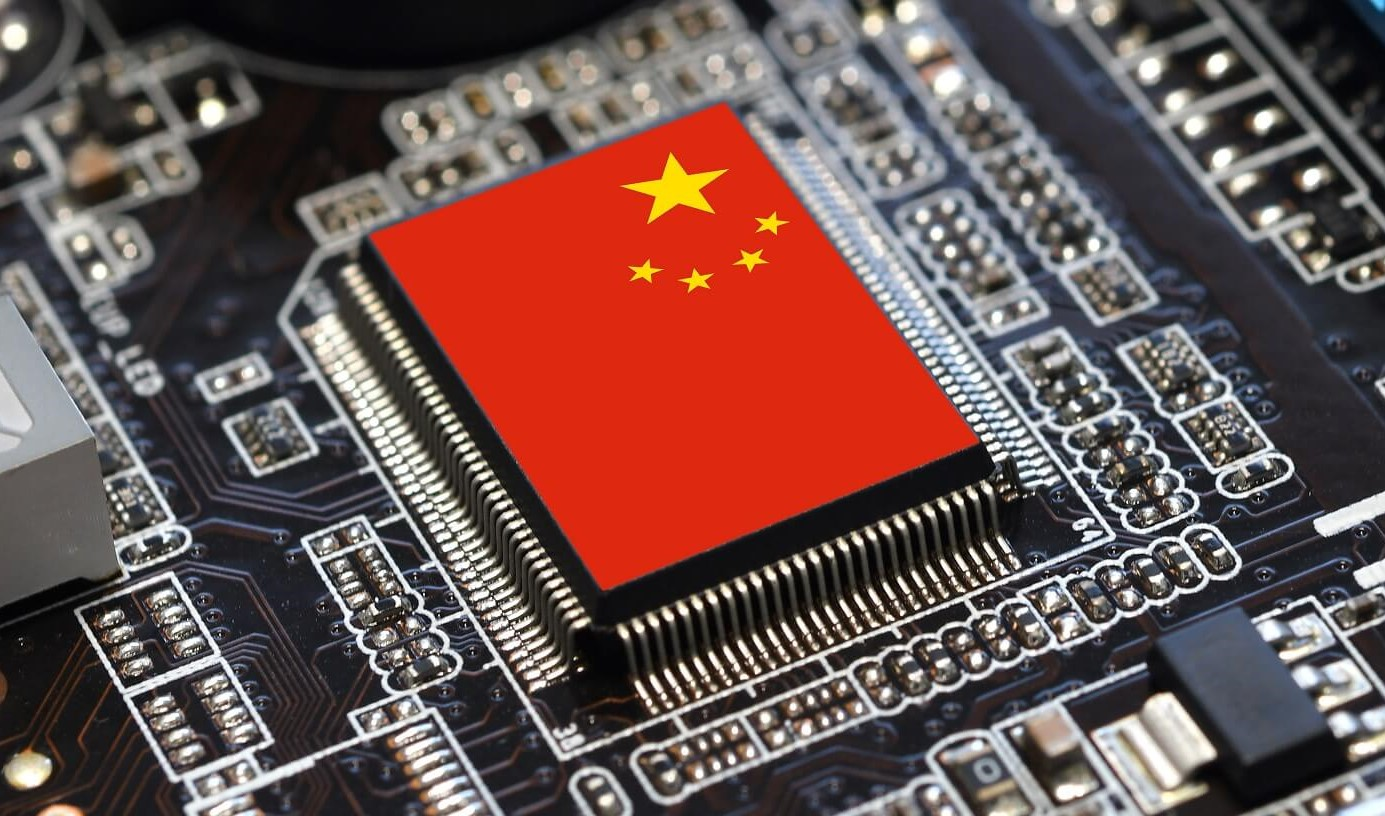
The U.S. Department of Commerce has reportedly asked Nvidia to investigate how the company’s artificial intelligence (AI) chips have ended up in China over the past year, according to a Thursday report by The Information. The investigation follows concerns over the potential unauthorized diversion of Nvidia products to Chinese entities, despite U.S. export restrictions.

Investigation into Distribution Channels

Nvidia has enlisted major distributors, including Super Micro Computer and Dell Technologies, to conduct spot checks of their customers in Southeast Asia. Nvidia’s AI chips are embedded in servers made by Super Micro and Dell, and the company is reportedly looking into how these chips may have been redirected to China without the required licenses.

The report suggests that multiple individuals involved in smuggling Nvidia chips have managed to evade detection during recent inspections conducted by Super Micro. The smuggling tactics reportedly involved duplicating serial numbers from Nvidia servers or altering them within the server’s operating system to disguise their origin.

Nvidia’s Response and Policies

In response, an Nvidia spokesperson reiterated the company’s commitment to adhering to U.S. export control regulations, stressing that any unauthorized diversion of its products would be detrimental to its business. Nvidia also insisted that its customers and partners must strictly follow these regulations, including prohibitions on grey market resales.

Both Dell and Super Micro have also emphasized their compliance with U.S. export laws. Dell stated that it requires all distributors and resellers to follow export controls and would sever relationships with any partner found to be non-compliant. Super Micro similarly asserted that it investigates and acts against any unauthorized exports, affirming its commitment to U.S. regulations.

Broader Context: U.S. Crackdown on Chinese Exports

This investigation comes as the Biden administration intensifies its crackdown on Chinese access to high-end AI chips. The U.S. government has already broadened its ban on the sale of advanced AI chips to China, including a move to limit semiconductor exports to 140 companies, including chip equipment makers, earlier this month. Despite these restrictions, there have been reports that Chinese universities and research institutions have still been able to procure Nvidia chips through resellers.


Micron Shares Drop as Sluggish PC Demand and Weak Forecast Cloud AI Growth Potential

Micron Technology’s shares fell by approximately 15% on Thursday after the company issued a grim forecast for the upcoming quarter, highlighting weak demand for personal computers (PCs) and smartphones, which overshadowed the positive growth in its AI-related chip sales.

Weak Demand for DRAM Chips

The market for dynamic random-access memory (DRAM) chips, which are commonly used in personal computers and smartphones, has been struggling since the end of the pandemic. This decline is driven by a lingering supply glut and continued sluggish demand from consumers. As a result, Micron’s forecast for its flash memory chip revenue in fiscal 2025 looks bleak, as these chips are heavily dependent on PC and mobile phone shipments. According to William Kerwin, an analyst at Morningstar, the post-pandemic growth in demand for traditional PCs has not met expectations, and AI-enabled computers have yet to achieve widespread popularity.

Slow Transition to Windows 11

Micron is also facing headwinds from the slower-than-expected adoption of Windows 11, after Microsoft announced the end of support for Windows 10. This gradual transition has contributed to the challenges in the broader PC market, impacting demand for memory chips.

If the losses hold, Micron’s market value could decline by more than $17 billion, bringing it to approximately $99 billion. This downward shift in value reflects concerns about Micron’s ability to recover from these demand-related issues.

Growth in AI Chips and High-Bandwidth Memory

Despite the challenges in the PC and mobile markets, Micron has seen strong growth in its high-bandwidth memory (HBM) chips, which are used in advanced AI systems. Revenue from these chips more than doubled sequentially, and Micron is positioning itself to take advantage of market expansion opportunities from data center investments in 2025. Analysts from Piper Sandler believe that Micron’s HBM segment remains intact and will continue to drive growth.

Micron is one of only three major HBM chip providers, alongside SK Hynix and Samsung, which has helped boost its stock by around 22% this year. Analysts expect HBM demand to remain a key driver of Micron’s performance moving forward.

Analyst Reactions

Despite the positive outlook for AI-related chips, at least 10 brokerages have lowered their price targets for Micron following its disappointing earnings results. According to data from LSEG, Micron’s 12-month forward price-to-earnings ratio is now 10.67, significantly lower than Qualcomm’s 13.4 and Advanced Micro Devices’ 23.97.


Jury Deliberates in Arm-Qualcomm Trial Following Closing Arguments

The high-stakes license dispute between U.K.-based Arm Holdings and U.S. chipmaker Qualcomm has entered jury deliberations after closing arguments were presented on Thursday in a Delaware federal court. The case hinges on whether Qualcomm and Nuvia, a startup it acquired for $1.4 billion in 2021, violated Arm’s intellectual property license agreements.

The outcome of the trial could significantly impact Qualcomm’s expansion into the PC market, where it seeks to compete with Apple and Intel with its high-performance chips designed for AI-driven laptops.

Closing Arguments

Qualcomm’s legal team argued that neither Qualcomm nor Nuvia breached their contract with Arm, accusing the British company of using the lawsuit as leverage to exert control over smartphone chipmakers. Qualcomm attorney Karen Dunn warned the jury that a ruling in Arm’s favor could set a dangerous precedent, forcing Qualcomm to destroy its recently launched chips and threatening similar licensing agreements with other partners.

“You can bet the world is watching here,” Dunn emphasized, framing Arm’s actions as an overreach intended to stifle competition.

Arm’s attorney Daralyn Durie, however, dismissed these claims as irrelevant distractions, urging jurors to focus solely on whether Qualcomm and Nuvia violated their contractual obligations. Durie argued that Arm lawfully terminated its agreement with Nuvia in 2022 after finding the startup in breach, thereby requiring Nuvia to destroy technology based on Arm’s intellectual property.

“The decision to go ahead and use all this stuff without a license, that was their choice,” Durie stated, asserting that Qualcomm knowingly took a risky path.

Key Points of Contention

The dispute revolves around the termination of Nuvia’s license and its implications for Qualcomm’s chip designs. Qualcomm maintains that the Nuvia-developed technology at issue was created independently from Arm’s IP, while Arm claims otherwise.

Arm attorneys contend that Qualcomm aimed to save up to $1.4 billion annually by leveraging Nuvia’s designs under a less expensive licensing structure. Qualcomm countered by alleging Arm misled it into disbanding its internal design team, thereby increasing reliance on Arm’s technology before raising royalty rates by as much as 400%.

Additionally, Qualcomm cited internal Arm documents that it claims reveal plans to enter the chipmaking business, a move Qualcomm says undermines their longstanding partnership. Arm CEO Rene Haas denied these allegations during the trial.

Jury Deliberations

The jury deliberated for three and a half hours on Thursday but did not reach a verdict. Deliberations will resume Friday morning.

The trial, which began Monday, has broader implications for the semiconductor industry and Arm’s business model. Arm has characterized Qualcomm’s actions as an unprecedented violation of licensing norms that could disrupt its established practices of licensing technology to chipmakers globally.

The case underscores the growing tensions between major players in the semiconductor industry as competition intensifies in emerging markets like AI and advanced computing.