Yazılar

Japan’s Ruling Coalition Loses Majority in National Election, Future Government Composition Uncertain

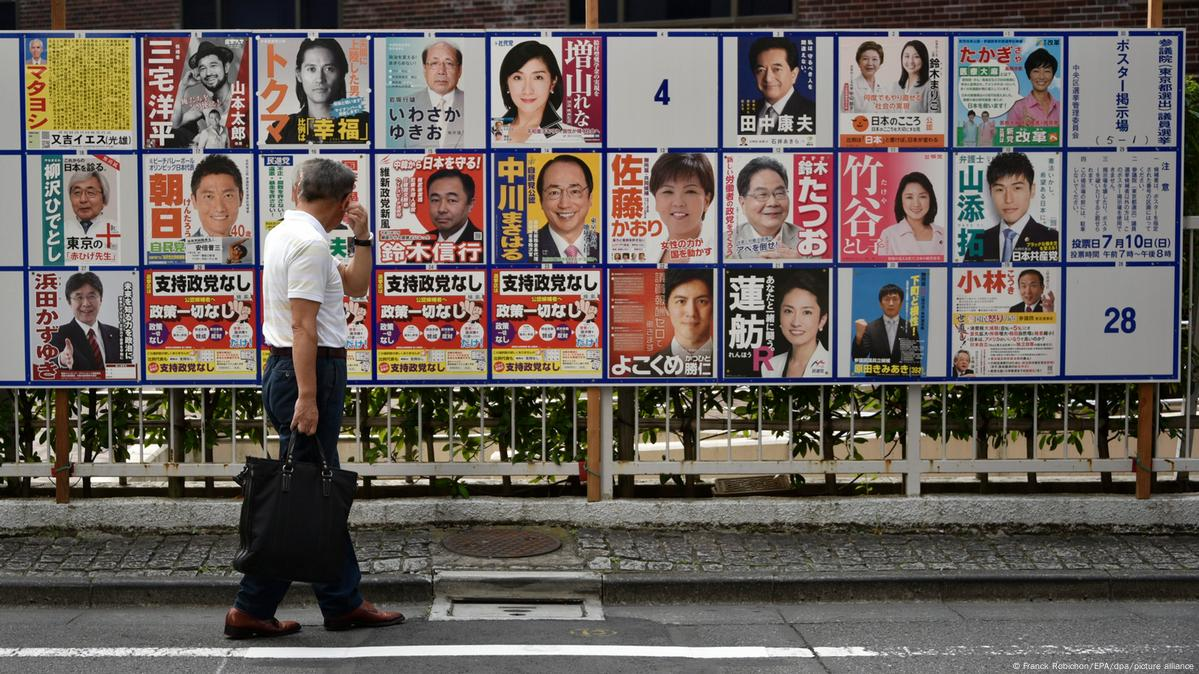
Japan’s ruling coalition suffered a significant loss in the recent national election, failing to secure a parliamentary majority and sparking questions over the future of the world’s fourth-largest economy. Prime Minister Shigeru Ishiba’s Liberal Democratic Party (LDP), which has dominated Japan’s post-war political scene, and its coalition partner Komeito, collectively won 209 of the 465 seats, a sharp decline from their previous total of 279, according to NHK reports. This result marks the coalition’s most severe setback since 2009 when they briefly ceded power.

Addressing the defeat, a solemn Ishiba acknowledged the election’s challenges, while Komeito’s newly appointed leader Keiichi Ishii lost his own district seat. The primary opposition, the Constitutional Democratic Party of Japan (CDPJ), capitalized on public dissatisfaction, capturing 143 seats compared to 98 in the previous term. Voter frustration stemmed from a funding scandal and ongoing inflation, fueling a stronger opposition presence and complicating Ishiba’s pathway to solidifying his government.

The outcome may necessitate contentious coalition-building, introducing potential instability as Japan contends with economic challenges and rising tensions in East Asia. CDPJ leader Yoshihiko Noda expressed optimism, calling this “not the end, but the beginning” and signaling potential collaborations with other opposition groups to seek a change in government. Ishiba, meanwhile, indicated he would consider coalition options once all votes are counted.

This election occurred shortly after Ishiba assumed the LDP leadership, seeking a mandate to support his premiership. His predecessor, Fumio Kishida, resigned amid decreasing approval driven by rising living costs and unrecorded political donations scandals. The timing also coincided with an impending U.S. election, with analysts suggesting the Japanese markets, including the yen and government bond yields, are likely to face volatility due to this heightened uncertainty.

“The voters’ verdict on the ruling coalition was harsher than anticipated,” observed Mizuho Research and Technologies’ Saisuke Sakai, expecting an immediate market reaction, particularly a sell-off among foreign investors.

Smaller parties like the Democratic Party for the People (DPP) and the Japan Innovation Party could now play critical roles in forming a viable government. The DPP has secured 27 seats, and the Innovation Party has 35 seats, though both diverge from the LDP’s policies. DPP chief Yuichiro Tamaki has indicated a cautious openness to cooperation, but Innovation Party leader Nobuyuki Baba has rejected any alliance with the LDP. Key policy differences include the DPP’s proposal to cut Japan’s sales tax until wages increase and the Innovation Party’s push for tighter political donation regulations.

The fractured political environment could pose challenges for the Bank of Japan (BOJ) as it balances maintaining low-interest rates against pressures to support the yen. With opposition parties divided on monetary policy, pursuing economic goals, such as defense tax funding, could become more challenging without a strong governing coalition.
 

Japan’s New Prime Minister Faces Uncertain Path as Political Outsider

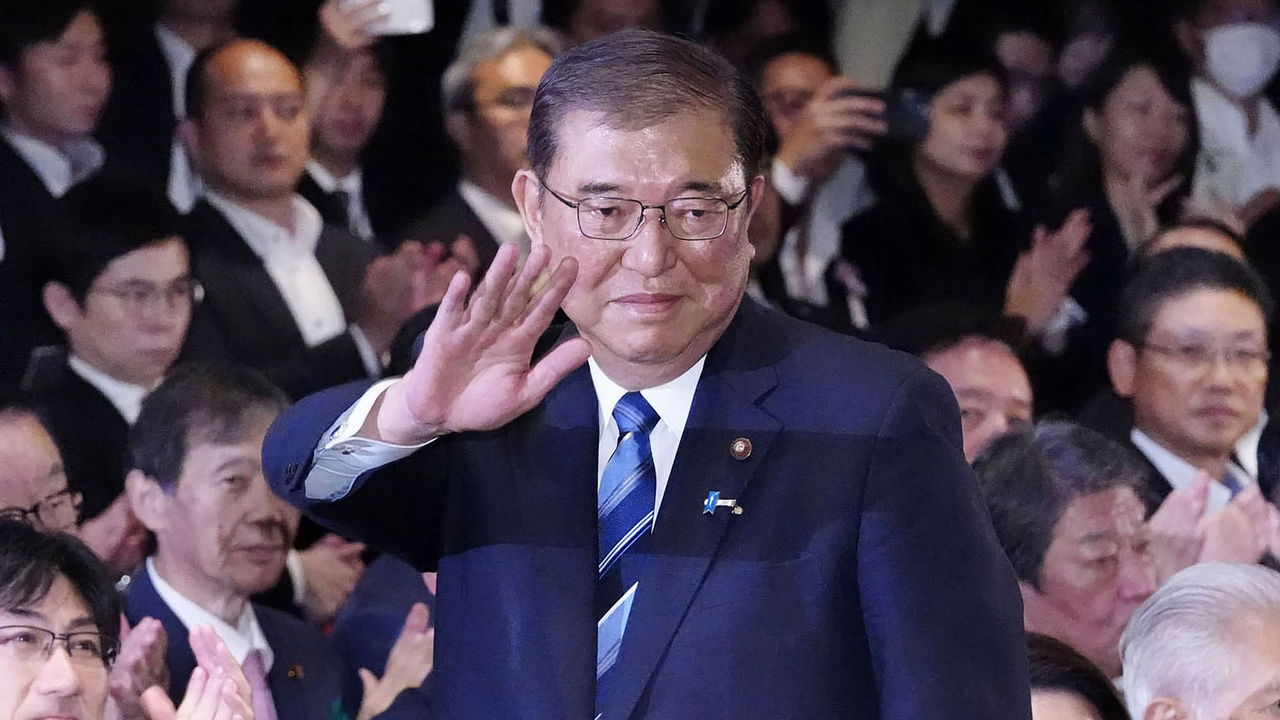
Shigeru Ishiba, set to become Japan’s next prime minister, has long been known for his dissent from party orthodoxy, particularly as a critic of former Prime Minister Shinzo Abe’s economic policies. Despite his outsider status and differing views, experts question whether Ishiba will be able to govern in line with his past stances, especially in the face of entrenched party dynamics.

Ishiba, who won his fifth attempt to lead the ruling Liberal Democratic Party (LDP), has consistently opposed Abe’s “Abenomics,” which promoted loose monetary policies and economic stimulus. Instead, Ishiba has advocated for fiscal tightening and tax increases, opposing the Bank of Japan’s (BOJ) policy of negative interest rates. His victory in the recent runoff against Sanae Takaichi, a proponent of Abenomics, marks a shift in party leadership, but analysts are uncertain whether it will lead to significant policy changes.

Experts like Tobias Harris, founder of Japan Foresight, emphasize that Abe’s legacy remains influential, making it difficult for any new leader to break away from his policies. The central question is whether Japan is ready to “course correct” from Abenomics. Sayuri Shirai, an economist and professor at Keio University, believes Ishiba represents a fresh perspective but warns that his ability to implement outsider policies remains unclear.

Shortly after his election, Ishiba hinted at maintaining an accommodative monetary stance, signaling a potential softening of his previous views on interest rate hikes. His approach seems to align more closely with outgoing Prime Minister Fumio Kishida’s policies, which have focused on pulling Japan out of prolonged deflation. While Japan reported a 3% inflation rate in August, the country’s struggles with low domestic demand continue to weigh heavily on economic decision-making.

Japan’s stock markets reacted negatively to the leadership change, with the Nikkei 225 index logging its worst day since 1987 following the BOJ’s rate hike in July. Market experts have warned that economic uncertainty could complicate Ishiba’s plans for raising interest rates. According to a recent BOJ meeting summary, financial instability may delay further hikes, a view echoed by analysts like Steven Glass of Pella Funds, who argues that Japan’s current economic conditions do not support higher rates.

In addition to monetary policy challenges, Ishiba’s fiscal proposals, which aim to reduce Japan’s budget deficit and provide more support to rural and younger communities, may face resistance. Tax increases, a central part of his fiscal plan, are likely to be unpopular among certain factions within the LDP and broader Japanese society. Previous leaders, including Kishida, have backtracked on similar proposals due to market backlash and political opposition.

Political analysts, like Mio Kato of LightStream Research, caution that individual leaders in Japan’s LDP often struggle to significantly alter the party’s overall direction. Ishiba, despite his history of dissent, may be constrained by the same forces. Keio University’s Shirai notes that Ishiba will need to “sell” potentially unpopular policies, such as tax hikes, to the public, which remains a significant challenge.

Ultimately, Japan Foresight’s Harris remains skeptical that Japan is ready to fully abandon aspects of Abenomics, such as fiscal spending aimed at growing the economy. He argues that there is little appetite for drastic spending cuts or tax increases, suggesting that Ishiba may have to navigate carefully within the bounds of existing economic strategies, despite his critical stance on the policies of the past.


Japan’s Ruling Party to Elect New Leader, Next Prime Minister

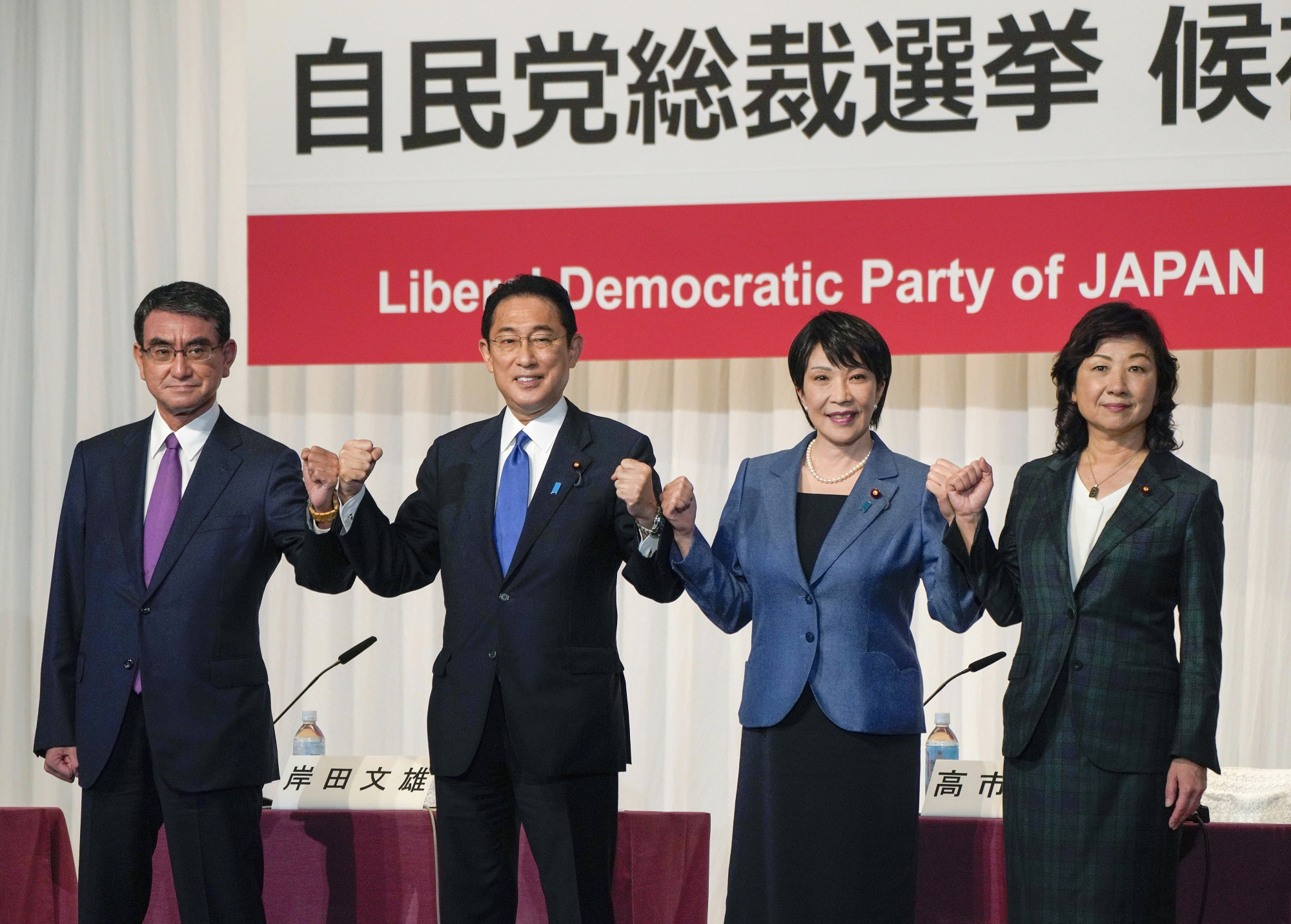
Japan’s ruling Liberal Democratic Party (LDP) will vote on Friday to elect the successor to Prime Minister Fumio Kishida, determining the country’s next leader. This election is historic, with nine candidates vying for the top position, making it one of the most competitive races in Japan’s recent political history. The outcome could result in the nation’s youngest or first female prime minister, or it could see a veteran politician finally achieve the role.

Kishida surprised many by announcing in August that he would not seek reelection, ending his three-year tenure as prime minister. The LDP’s new leader will automatically become the next prime minister, as the party holds a majority in both houses of Japan’s legislature. A parliamentary vote to confirm the new prime minister is set for October 1.

The leading candidates include former environment minister Shinjiro Koizumi, economic security minister Sanae Takaichi, and ex-defense minister Shigeru Ishiba. Ishiba, 67, is running for the position for the fifth time. He supports the Bank of Japan’s gradual interest rate hikes and has advocated for the formation of an “Asian NATO” to counter regional threats from China and North Korea.

Takaichi, 63, one of two female candidates, has called for increased fiscal stimulus and stronger policies in diplomacy and defense. Koizumi, at 43, would be Japan’s youngest post–World War II prime minister. Despite his limited government experience, he has pledged social and economic reforms and greater transparency within the LDP.

If no candidate secures a majority in the first round, a run-off will be held between the two top contenders.

The new leader will face significant challenges, including guiding Japan through its economic transition after three decades of stagnation, addressing diplomatic tensions with China, and confronting a looming demographic crisis due to an aging population. Japan’s future leadership will also need to navigate potential global uncertainties, such as a possible second Trump administration in the U.S. and shifting international alliances.