Yazılar

Meta Urges California Attorney General to Block OpenAI’s For-Profit Conversion

Meta Platforms has called on California’s Attorney General Rob Bonta to intervene and prevent OpenAI from transitioning to a for-profit business model, according to a report by the Wall Street Journal on Friday. In a letter sent to the attorney general on Thursday, Meta expressed concerns that permitting OpenAI to become a for-profit company would create a troubling precedent.

Meta argued that such a move would allow startups to benefit from nonprofit status until they are ready to become profitable, thereby unfairly giving investors the advantages of both nonprofit tax benefits and for-profit gains. The letter cautioned that if OpenAI’s shift to a for-profit model were allowed, it could have “seismic implications” for Silicon Valley.

The company’s concerns center around the potential for nonprofit investors to receive the same financial benefits as traditional for-profit investors, while still enjoying the tax write-offs associated with nonprofit status. Meta has not yet responded to a request for comment, and the California Attorney General’s office was also silent on the issue.

This latest development comes after OpenAI, in its own legal battle, urged a federal judge in California to dismiss Elon Musk’s request to halt the conversion of the company to a for-profit entity. Musk, a former co-founder of OpenAI, filed a lawsuit in August, accusing the organization of prioritizing profit over public good in its AI development.

Musk, who launched his own AI company, xAI, has argued that OpenAI’s shift undermines its mission and represents a violation of contract agreements. In November, Musk sought a preliminary injunction in federal court to stop the transition.

OpenAI has responded by asserting that any restructuring would preserve the nonprofit’s continued existence and ensure it receives full value for its stake in the new for-profit entity, with a mission-driven focus. OpenAI’s chairman, Bret Taylor, emphasized that the nonprofit would continue to thrive and be able to pursue its goals.

In their letter, Meta also expressed support for Musk’s efforts to ensure public interests are considered in the decision to allow OpenAI to convert to a for-profit structure.

 

Workers at Major US Tech Companies Overwhelmingly Support Kamala Harris, Data Reveals

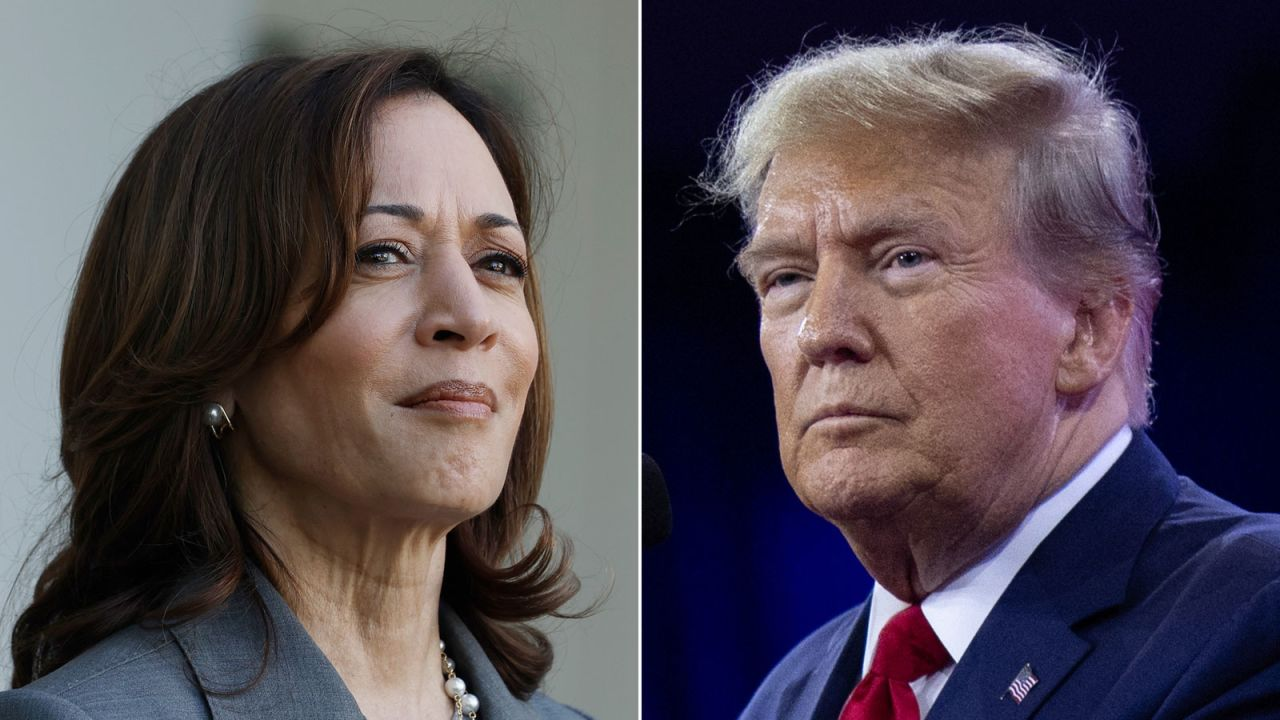
According to data compiled by political watchdog OpenSecrets, employees at some of the largest U.S. tech companies, including Alphabet, Amazon, and Microsoft, are strongly backing Democratic presidential candidate Kamala Harris in the upcoming election. Workers at these tech giants have donated millions to Harris’ campaign, significantly outpacing the contributions made to former President Donald Trump’s campaign.

Despite the substantial support from tech employees for Harris, some of Silicon Valley’s most prominent billionaires, such as Tesla CEO Elon Musk and venture capitalists Marc Andreessen and Ben Horowitz, have thrown their weight behind Trump, praising his economic policies and business-friendly stances. The Nov. 5 election has sparked divisions in Silicon Valley, which has historically leaned Democratic. While entrepreneurs like Reid Hoffman and Mark Cuban are supporting Harris for her stance on tech policies and workers’ rights, other tech leaders have become disillusioned with Democratic policies, particularly around business regulations.

While corporations cannot donate directly to federal campaigns, employees can contribute to candidates of their choice. The data shows that Alphabet employees and their family members have contributed over $2.16 million to Harris, while Amazon and Microsoft employees have donated $1 million and $1.1 million, respectively. In contrast, Trump’s campaign has received far less support from tech workers, with Alphabet workers contributing just $57,000 to his campaign, and Amazon and Microsoft workers donating $116,000 and $88,000, respectively.

In contrast, Walmart workers have split their donations more evenly between the two candidates, with Trump’s campaign receiving slightly more support than Harris’. Analysts suggest that the difference in donations reflects the higher disposable income of tech company employees, who tend to earn more than workers in retail or other industries.

Although Meta and Apple employees haven’t yet reached the million-dollar donation mark, their contributions to Harris still dwarf those made to Trump. Meta employees have donated $835,000 to Harris and just $25,000 to Trump, while Apple workers have contributed $861,000 to Harris and $44,000 to Trump.

The data underscores Silicon Valley’s general left-leaning tendency, despite some influential figures in the tech world rallying behind the former president.


Silicon Valley’s Wish-List for Kamala Harris: Abortion Rights, Tech-Savvy Policies, and AI Leadership

Silicon Valley venture capitalists have outlined their policy priorities as they rally behind Kamala Harris in her presidential bid. A survey of 225 venture capitalists, who signed a letter of support for Harris, revealed a shared focus on key issues like abortion rights, climate change, and tech-friendly regulations. Nearly all participants opposed the Supreme Court’s decision to overturn Roe v. Wade, viewing the ruling not just as a social issue but as a business concern affecting women’s workplace equity.

Harris, with deep ties to California and the tech sector, is seen as a pro-technology candidate, fostering optimism among industry leaders who are eager to see the U.S. adopt more progressive AI regulations. Participants in the survey overwhelmingly supported the need for leaders well-versed in emerging technologies like AI and cryptocurrency, with nearly 97% emphasizing the importance of having knowledgeable regulators. Additionally, a substantial 94% advocated for expanding H-1B visas to attract more high-skilled international talent to the tech industry.

The venture capitalists’ support for Harris reflects nostalgia for the Obama administration, which fostered a positive relationship with Silicon Valley. In contrast, the Biden administration has taken a tougher stance, exemplified by the Federal Trade Commission’s efforts to curb alleged monopolistic practices by companies like Amazon and Microsoft. Some venture capitalists hope that Harris, if elected, will take a more pro-business approach, potentially replacing FTC Chair Lina Khan.

Picture background

Notably, Harris’ stance on artificial intelligence has attracted significant attention. Her campaign has positioned the U.S. as a leader in AI innovation, and Harris has secured voluntary commitments from tech companies regarding AI development. The tech industry is eager for the U.S. to adopt comprehensive AI legislation, similar to Europe, while avoiding overly prescriptive regulations that could stifle innovation.

Harris has also received substantial financial backing from the tech community. A recent fundraiser in San Francisco raised over $12 million for her campaign. Prominent figures like LinkedIn co-founder Reid Hoffman and Kieran Snyder, who helped lead the “VCs for Kamala” initiative, have actively supported her bid, signaling confidence in her ability to drive pro-innovation policies.

However, Harris is not the only candidate with tech industry support. Former President Donald Trump has garnered backing from figures like Tesla CEO Elon Musk and venture capitalists Marc Andreessen and Ben Horowitz. Trump’s running mate, venture capitalist J.D. Vance, has built a network of tech donors aiming to push the U.S. to the right, promoting free speech and rolling back Biden’s AI executive order.

As the race continues, Silicon Valley remains divided, but Harris’ tech-focused policies and her history of engagement with the industry have positioned her as a favored candidate among many venture capitalists who are eager to see a more business-friendly administration.