Yazılar

Singapore Threatens Meta With Fines Over Facebook Impersonation Scams

The Singapore government has given Meta Platforms until the end of this month to introduce stronger safeguards, including facial recognition technology, to combat impersonation scams on Facebook—or face steep fines.

The Ministry of Home Affairs said on Thursday that Meta could be fined up to S$1 million ($776,639) if it fails to comply “without reasonable excuse.” After the deadline, Meta would face additional penalties of S$100,000 per day until measures are implemented.

The directive, issued Wednesday, follows a surge in scams involving fake ads, accounts, and business pages impersonating government officials. Authorities say incidents of such scams rose sharply between June 2024 and June 2025.

A Meta spokesperson said impersonation and deceptive ads are against company policy, adding: “We remove these when detected.” The spokesperson noted that Meta uses specialized systems to catch fraudulent accounts and “celeb-bait” ads, and works with law enforcement to pursue legal action against scammers.

Earlier this month, Singapore police ordered Meta to step up anti-scam measures on Facebook, but that directive did not include a compliance deadline.

Officials said this is the first enforcement order under Singapore’s Online Criminal Harms Act, which came into effect in February 2024. The law gives regulators new powers to hold platforms accountable for online scams and harmful digital activity.

“While Meta has taken steps to address impersonation scams globally, including in Singapore, the Ministry of Home Affairs and police remain concerned by the prevalence of such scams locally,” the ministry said.
Chinese robotaxi firms team up for autonomous shuttles in Singapore

Two of China’s leading robotaxi developers — WeRide and Pony.ai — announced partnerships with Singaporean firms to roll out autonomous shuttle services in the city-state, marking a major step in its autonomous driving ambitions.

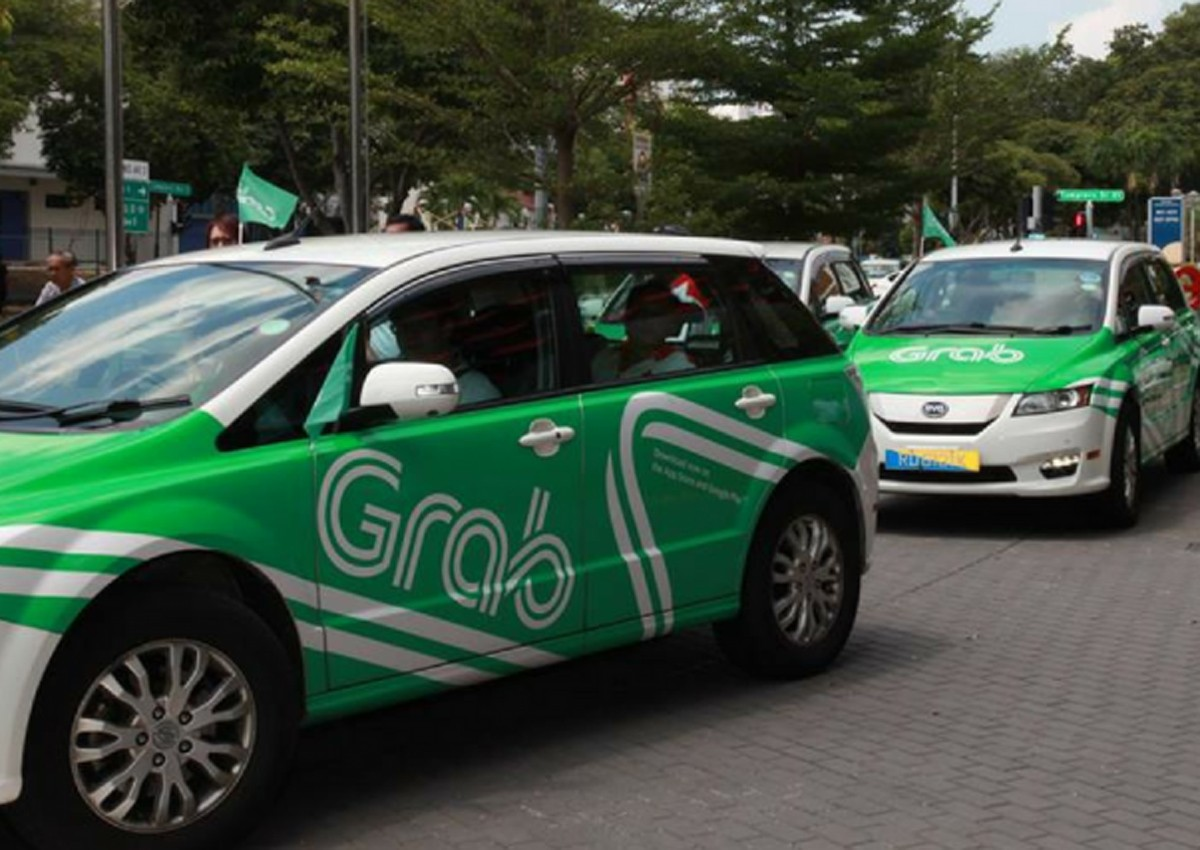
Grab, Singapore’s ride-hailing giant, said it will partner with WeRide to operate two autonomous shuttle routes in Punggol. Services will begin in early 2026 with five- and eight-seater shuttles, following a test phase to study routes. WeRide, already licensed in Shanghai, is expanding its footprint abroad.

Meanwhile, Pony.ai, backed by Toyota, will team up with ComfortDelGro, Singapore’s largest taxi and transport operator. Their service will also start in Punggol on a 12-km route, with launches expected “in the coming months” pending regulatory approval, before expanding to nearby communities.

The Land Transport Authority (LTA) said both companies have a proven track record overseas with multiple vehicle types, including shuttles and robotaxis. Pony.ai already operates commercial services in Beijing, Shanghai, Guangzhou, and Shenzhen, and is eyeing further deployments in South Korea, Luxembourg, the Middle East, and beyond after its $260 million Nasdaq IPO in November.

Singapore has been actively exploring autonomous mobility, with Transport Minister Jeffrey Siow visiting Chinese AV firms in June. The partnerships position the country as a testbed for urban driverless fleets, as global competition in robotaxi technology accelerates.

ByteDance Shifts Chip Design Staff to Singapore Unit Amid U.S.-China Tensions

Chip designers at ByteDance, many based in Beijing and Shanghai, were surprised last week to learn they are officially reporting into a Singapore unit, according to three people familiar with the matter. The change became clear when staff were reassigned into a new group on the company’s internal messaging system.

Analysts suggest the restructuring could help ByteDance navigate U.S.-China trade restrictions on semiconductor access. Since late 2023, U.S. rules have barred mainland Chinese firms from using Taiwan’s TSMC to manufacture advanced AI chips above certain performance thresholds. Shifting oversight to Singapore may allow ByteDance more flexibility in securing partnerships and production.

ByteDance, best known globally for TikTok, has been expanding into proprietary chip design since 2022, developing application-specific integrated circuits (ASICs) to reduce reliance on suppliers like Nvidia. The company has worked with Broadcom on AI processors intended for TSMC fabrication, though it does not currently outsource manufacturing to the Taiwanese firm.

The Singapore entity may be linked to Picoheart, a ByteDance subsidiary registered in December 2023. Picoheart drew notice last year when it acquired a 9.5% stake in Chinese memory chipmaker Innostar. Singapore also hosts TikTok’s CEO Shou Zi Chew and some of ByteDance’s largest data centers.

So far, ByteDance’s chips are limited to inference tasks, such as video decoding and networking, rather than the more computationally intensive AI training workloads where rivals like Alibaba and Baidu have advanced further. Job postings indicate ByteDance is still hiring for its AI chip team as it tries to catch up in the strategic semiconductor race.