China’s SMIC Reports Resilience Despite U.S. Tariffs, Expects Tight Capacity Through October
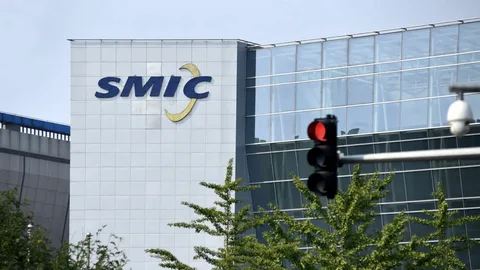
China’s leading semiconductor foundry, Semiconductor Manufacturing International Corp (SMIC), stated on Friday that U.S. tariff measures have not caused the “hard landing” initially feared. The company cited strong domestic demand that will keep its production capacity tight until October.
Co-CEO Zhao Haijun said during a post-earnings call that customers have largely mitigated the impact of U.S. President Donald Trump’s tariff plans—such as the proposed 100% tariff on chip imports—through inventory stockpiling and sourcing from alternative suppliers. He noted that previous tariff rounds increased costs by less than 10% for overseas customers.
China’s additional tariffs on U.S. goods reached 125% in April, following Trump’s tariffs effectively pushing the rate on Chinese goods to 145%. However, the latest semiconductor tariffs exclude companies manufacturing in the U.S. or committed to doing so. SMIC, blacklisted by the U.S. in 2020, has no U.S.-based manufacturing.
SMIC’s revenue for Q2 grew 16.2% year-on-year to $2.2 billion, though its profit declined 19.5% to $132.5 million, missing analyst expectations. The company shipped 2.4 million eight-inch equivalent wafers in the quarter, a 4.3% increase from Q1.
Capacity utilization rose to 92.5%, and monthly production capacity expanded modestly by 1.85% quarter-on-quarter to 991,000 wafers. Zhao forecasted continued tight capacity driven by strong domestic demand, especially for analog, WiFi, Ethernet, and memory controller chips.
SMIC expects Q3 revenue growth of 5% to 7% over Q2 but anticipates the industry’s typical seasonal slowdown in Q4, with rush orders and early shipments likely to taper.
SMIC’s shares in Hong Kong dropped over 5% following the report.