Yazılar

Australia’s Teen Social Media Ban Trial Finds Age-Checking Software Can Work

Organizers of the world’s largest trial of age assurance technology say that software-based methods to enforce Australia’s upcoming ban on under-16s using social media are feasible, despite some limitations. The government-commissioned Age Assurance Technology Trial involved over 1,000 Australian school students and hundreds of adults.

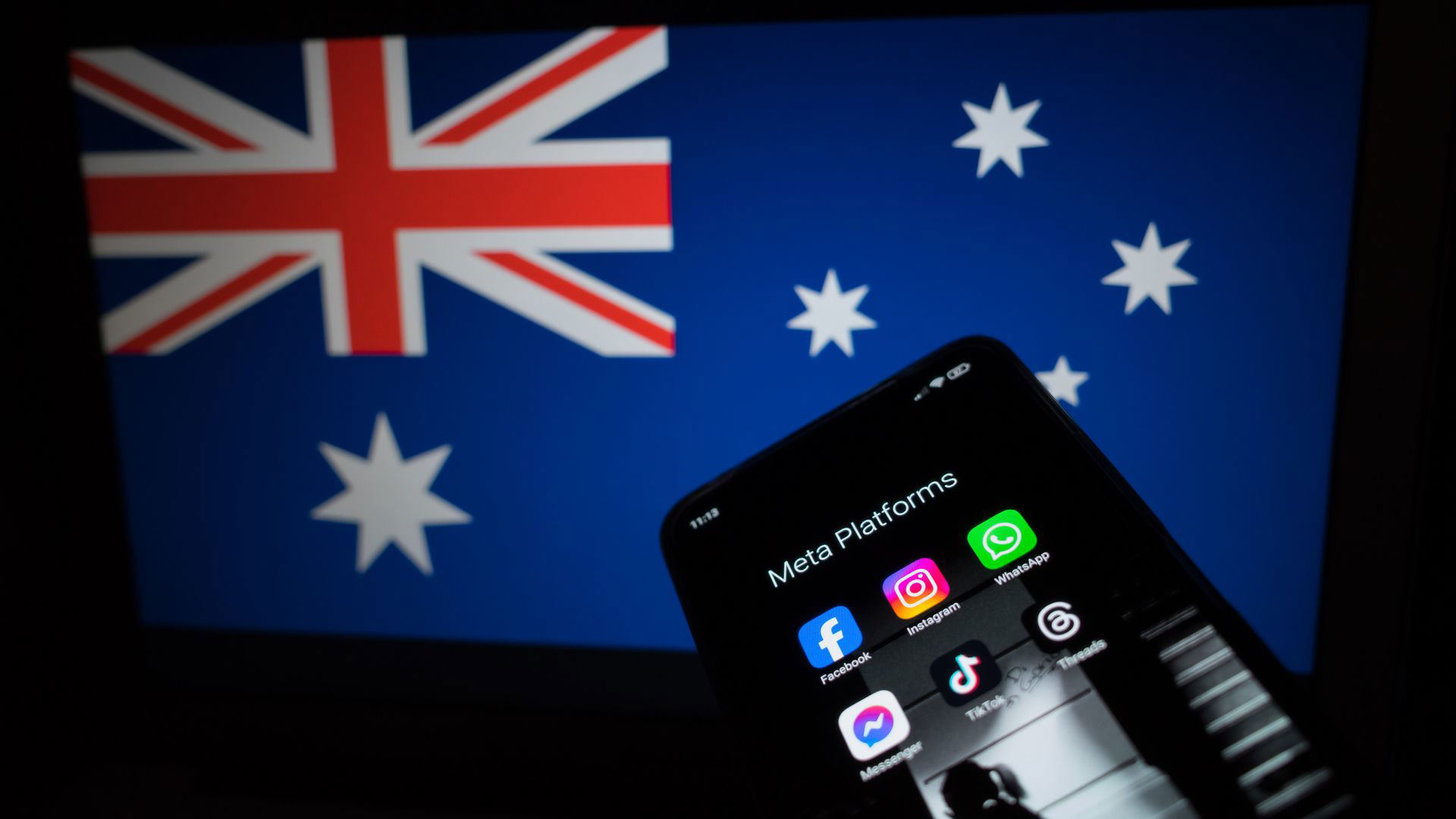
Starting this December, companies such as Meta (owner of Facebook and Instagram), Snapchat, and TikTok must demonstrate they take reasonable steps to block users under 16 or face fines up to A$49.5 million (approximately $32 million). This makes Australia the first country to implement such a ban.

Concerns have been raised by child protection advocates, tech groups, and youths about the enforceability of the ban, citing methods like Virtual Private Networks (VPNs) that mask users’ locations.

Tony Allen, CEO of the UK-based Age Check Certification Scheme overseeing the trial, stated, “Age assurance can be done in Australia privately, efficiently and effectively.” The trial concluded there are “no significant tech barriers” to deploying such software, though no single solution works perfectly in all cases.

Allen also highlighted risks around data privacy, noting that some firms may over-collect data beyond what regulators or law enforcement would require in the future.

While detailed data and product names were not disclosed, a final report will be submitted to the government next month to guide upcoming industry consultations before the December enforcement deadline.

The office of Australia’s eSafety Commissioner commented that preliminary results indicate age assurance tech, if used properly alongside other methods, can be “private, robust and effective.”

Australia’s approach is being closely monitored internationally as other governments consider measures to protect children from social media exposure.


Google Resolves Global Service Outage Affecting Multiple Platforms

Alphabet’s Google announced on Thursday that it had resolved a brief global outage that disrupted several of its core services, including Google Chat, Google Meet, Gmail, Google Calendar, Google Drive, Google Cloud Search, Google Tasks, and Google Voice.

The disruption also impacted third-party platforms reliant on Google Cloud infrastructure, such as music streaming service Spotify and messaging app Discord, as well as Snapchat. The outage began around 1:50 p.m. ET and caused widespread service interruptions across multiple regions.

At the peak of the outage, tracking website Downdetector.com recorded approximately 46,000 outage reports for Spotify and nearly 11,000 reports for Discord in the U.S. alone. Google Cloud’s engineering teams worked swiftly to mitigate the issue, and by 6:18 p.m. ET, outage reports had significantly decreased to just over 1,000 for Spotify and around 200 for Discord.

Google stated it will publish a detailed analysis after completing an internal investigation into the incident.

Snap to Launch Consumer Smart Glasses in 2026, Taking on Meta in AR Wearables

Snap Inc. announced on Tuesday that it will release its first-ever smart glasses for general consumers in 2026, stepping up competition against Meta in the augmented reality (AR) wearable market. The new glasses, named Specs, are designed to be lightweight and user-friendly.

Snap, widely recognized for its Snapchat app and AR-powered animated filters, has invested over $3 billion in developing AR glasses over 11 years, according to CEO Evan Spiegel. The upcoming Specs will build on Snap’s prior developer-only 5th generation Spectacles launched last September.

Augmented reality enables overlaying digital effects on real-world images and videos through a camera or lens, creating interactive experiences. Snap aims to expand its product offerings and revenue sources beyond the digital advertising market, which faces uncertainties due to shifting U.S. trade policies.

The company will collaborate with Niantic Spatial, a platform for augmented reality and geospatial tech, to enhance Lens Studio, Snap’s app for creators to design and publish AR lenses for the Snapchat camera and Specs glasses.

Snap’s move follows strong momentum in AR wearables led by Meta, whose Ray-Ban Meta smart glasses—developed with EssilorLuxottica—have gained popularity. Meta continues integrating AI features into its glasses to broaden appeal. Google and other tech giants are also exploring investments in smart glasses.