Yazılar

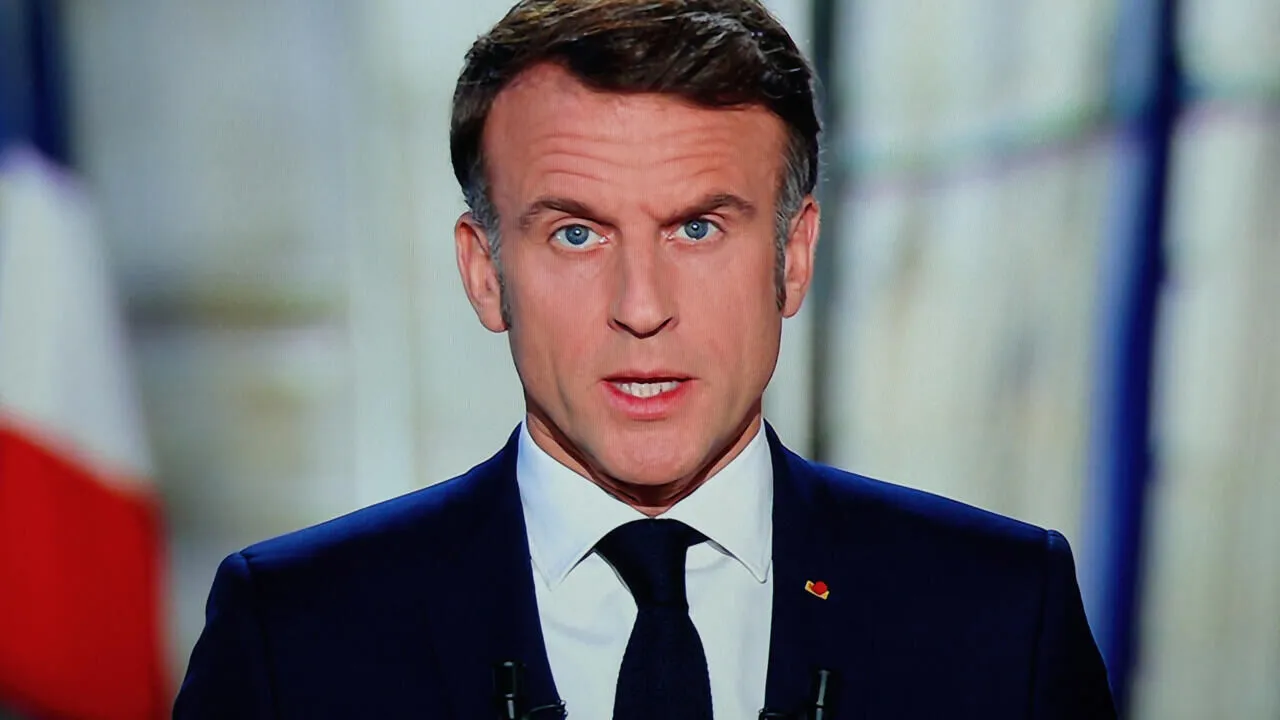
Macron Pushes EU Ban on Social Media for Under-15s Following School Stabbing

French President Emmanuel Macron announced plans to advocate for an EU-wide ban on social media use for children under 15 years old, following a fatal stabbing at a middle school in eastern France. The attack, which involved a 14-year-old student stabbing a 31-year-old school aide during a bag search for weapons, has heightened concerns about youth violence.

Macron said in a Tuesday interview that he hopes to see results from European regulation efforts within months but emphasized France would act independently if progress stalls. “We cannot wait,” he told France 2 public broadcaster.

Prime Minister Francois Bayrou described the incident as part of a broader pattern of violence among young people, with Macron pointing to social media as a contributing factor. Macron reinforced his stance on social media platform X, urging companies to implement age verification systems, noting that experts support such measures.

The push aligns with a global trend toward stricter regulation of children’s social media access. Australia, for example, introduced a ban last year prohibiting under-16s from using social media, one of the toughest moves worldwide amid ongoing debates over Big Tech’s role in youth safety.

Despite most platforms officially restricting users under 13, reports such as one from Australia’s online safety regulator highlight how easily children circumvent these rules.
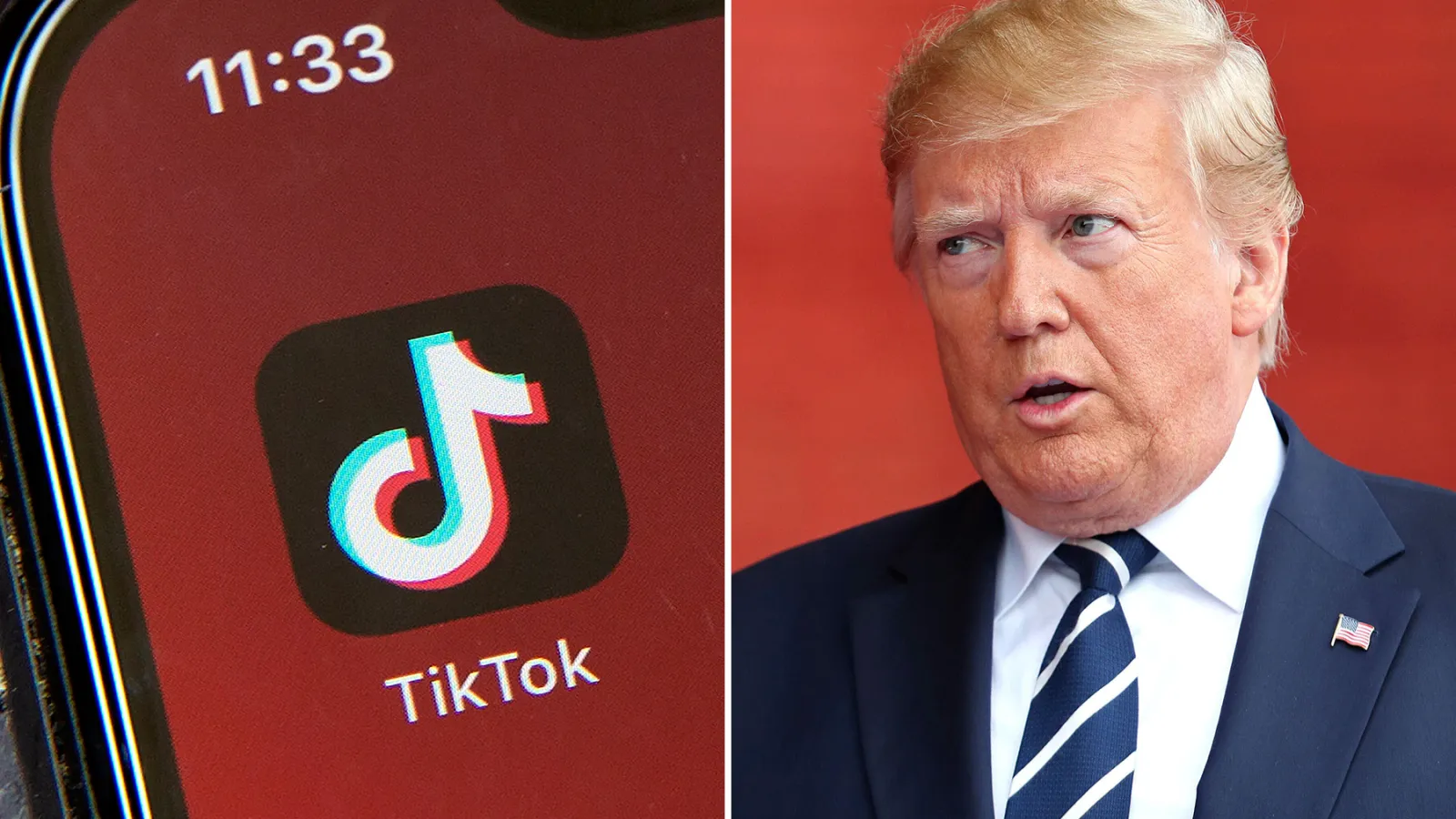

Trump Considers Tariff Reduction to Secure TikTok Deal

U.S. President Donald Trump announced on Wednesday that he may lower tariffs on China as an incentive for ByteDance to finalize a deal to sell TikTok, which is used by 170 million Americans.

ByteDance faces an April 5 deadline under a 2024 law requiring it to divest TikTok’s U.S. operations or face a ban due to national security concerns. Trump indicated he is open to extending the deadline if necessary to facilitate a deal, acknowledging that China must approve any sale.

“Maybe I’ll give them a little reduction in tariffs or something to get it done,” Trump told reporters, suggesting the administration is willing to use trade policy as leverage.

China’s commerce ministry reiterated its position that it seeks negotiations based on “mutual respect, equality, and mutual benefit.” Meanwhile, Vice President JD Vance has expressed confidence that a resolution will be reached by the April 5 deadline.

Reports indicate that White House-led discussions are moving toward a plan in which ByteDance’s largest non-Chinese investors would increase their stakes and acquire TikTok’s U.S. operations. The White House has taken an unprecedented role in the negotiations, acting almost like an investment bank.

TikTok briefly went offline in January after the U.S. Supreme Court upheld the ban, but Trump later postponed enforcement until April 5. He has signaled he could extend the deadline further if needed.

The proposed divestiture has sparked legal challenges from free speech advocates, who argue the ban could violate the First Amendment by restricting access to foreign media.

Big Tech Challenges YouTube’s Exemption from Australia’s Ban on Social Media for Children

Tech giants including Meta Platforms (owner of Facebook and Instagram), Snapchat, and TikTok have voiced strong opposition to Australia’s decision to grant YouTube an exemption from its new law banning social media access for children under the age of 16. The landmark legislation, which was passed by the Australian parliament in November, sets some of the most stringent social media regulations globally. The law requires platforms to prevent minors from logging in to their services or face hefty fines of up to AUD 49.5 million (approximately $31 million or Rs. 269 crore).

Under the current provisions, YouTube stands as the only platform exempt from the age restriction due to its status as an educational tool. The platform is considered essential for learning and is the only service allowed for children through family accounts with parental supervision features. While YouTube maintains that it offers safeguards for young users, such as restricted access to certain content through Family Link, critics argue that the platform still exposes children to the same risks outlined by the government in the new law. These risks include algorithmic content recommendations, social interactions, and potential exposure to harmful or inappropriate material.

Meta has voiced concerns about the YouTube exemption, stating that even children using YouTube under family accounts are still subjected to many of the features that the government’s legislation seeks to control. In a blog post, the company argued that YouTube’s exemption contradicts the reasons for implementing the law in the first place. The tech giant called on the Australian government to apply the law equally across all social media platforms, ensuring that YouTube does not receive preferential treatment in this regard.

TikTok, too, has raised objections to the exemption, calling it “illogical, anticompetitive, and short-sighted.” The company submitted a statement urging the government to maintain consistency in enforcing the law across all platforms. TikTok argued that creating exceptions for specific platforms like YouTube undermines the integrity of the legislation, potentially giving one company an unfair advantage over others in terms of user access and content exposure. As the law’s implementation deadline approaches, the debate over YouTube’s exemption continues to stir tensions within the tech industry.