Yazılar

Jeju Island in South Korea Introduces NFT-Backed Visitor Cards to Appeal to Young Travelers

Jeju Island, a renowned self-governing province in South Korea, is reportedly set to integrate non-fungible tokens (NFTs) into its tourism framework to attract a younger demographic. According to a recent report by South Korean publication Maeil Kyungjae (MK), the island’s authorities are planning to launch a digital visitor card initiative powered by NFTs. This innovative project is slated to begin in 2025 and aims to enhance the travel experience by offering exclusive benefits to tourists through blockchain-backed solutions.

The NFT-based visitor cards are expected to roll out during the latter half of 2025, providing a host of advantages for travelers. These digital cards will grant users special discounts at major tourist attractions, membership perks, and travel subsidies for domestic visitors. By leveraging blockchain technology, Jeju Island seeks to create a more engaging and modern tourism model that resonates with tech-savvy travelers and younger audiences familiar with digital assets.

This initiative reflects Jeju Island’s broader strategy to remain a competitive global tourism destination while embracing emerging technologies. The move to adopt NFTs for visitor engagement aligns with a growing trend of integrating blockchain into various industries, including travel and hospitality. By offering tangible benefits through NFTs, the island hopes to strengthen its appeal as a forward-thinking destination while simultaneously supporting its local economy.

As Jeju Island prepares to implement this program, it highlights the potential for NFTs to go beyond collectibles and serve practical purposes in daily life. This initiative not only showcases the versatility of blockchain technology but also signals a shift in how traditional tourism can adapt to digital innovation. By blending cutting-edge tech with its natural beauty and cultural richness, Jeju Island aims to create a unique experience for its visitors.

Samsung Electronics Becomes Largest Shareholder of South Korea’s Rainbow Robotics

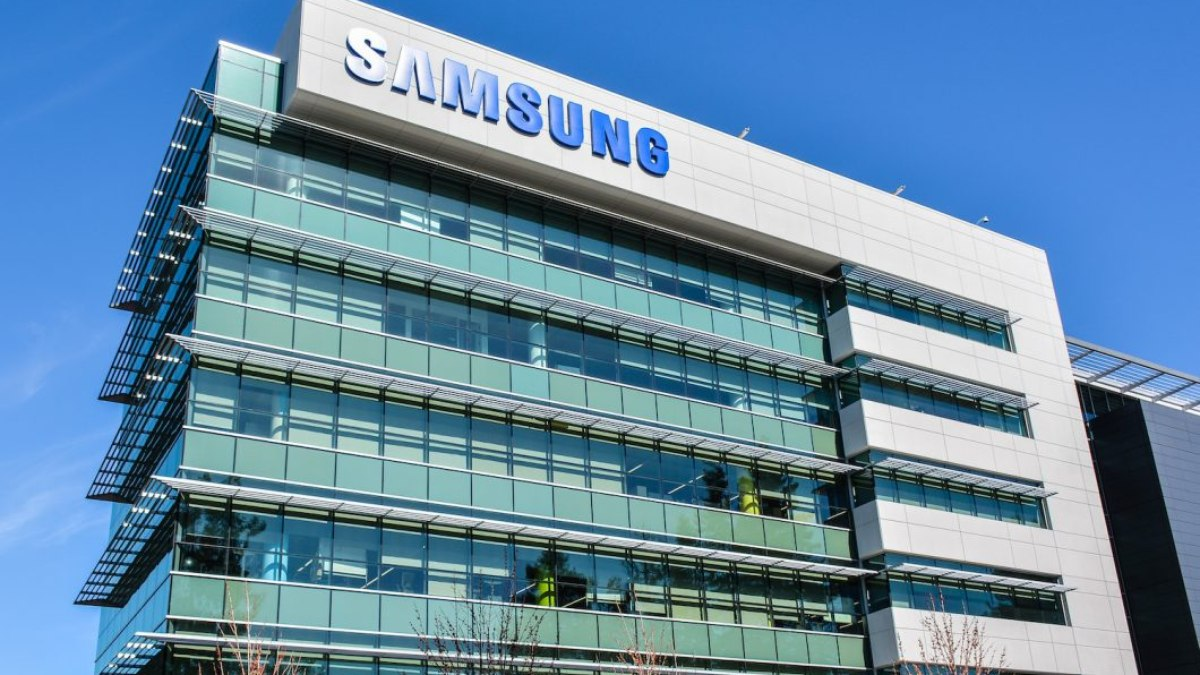
Samsung Electronics has increased its investment in South Korea’s Rainbow Robotics, making it the largest shareholder in the robotics firm. According to a regulatory filing on Tuesday, Samsung has acquired a 267 billion won ($181 million) stake in Rainbow Robotics. Prior to this, Samsung was the second-largest shareholder with a 14.71% stake, or about 2.85 million shares. The largest shareholder at the time was the company’s founder, Oh Jun-ho, and related entities.

As part of this acquisition, Samsung is also establishing a new Future Robotics Office that will report directly to the CEO. This move reflects Samsung’s increasing commitment to the robotics industry, an area that is becoming a strategic focus for the technology giant. Samsung had previously made investments in Rainbow Robotics, but this latest development positions the company as a more dominant player in the robotics sector.

Asian Chip Stocks Mostly Rise Despite New U.S. Semiconductor Export Curbs on China

INTRODUCTION

On Tuesday, major Asian chip stocks, excluding those in China, saw positive gains despite the announcement of a new round of U.S. semiconductor export restrictions targeting China’s chip production capabilities. The Biden administration’s latest move aims to hinder China’s access to advanced semiconductor technology that could potentially aid its military advancements.


KEY POINTS

Performance of Asian Chip Stocks

  • Taiwan Semiconductor Manufacturing Company (TSMC):
    The world’s largest contract chip supplier saw a 2.4% increase in its stock price.
  • Japanese Chip Stocks:
    Several Japanese chip-related companies experienced gains:

    • Tokyo Electron rose 4.7%.
    • Lasertec climbed 6.7%.
    • Advantest gained 3.9%.
    • Renesas Electronics advanced 2.2%.
  • Softbank:
    Softbank, which holds a stake in the British chip designer Arm, saw its shares rise by 3.6%.

Impact on South Korean Chip Makers

  • Samsung and SK Hynix:
    Despite the new U.S. restrictions, shares of Samsung Electronics rose by 0.9%, and SK Hynix saw an increase of 1.8%.

    • Derrick Irwin, portfolio manager at Allspring Global Investments, stated that the impact on high-bandwidth memory chips from South Korean players would be limited. He believes that these companies could shift demand to markets like the U.S., minimizing the effect of the curbs.

Details of U.S. Export Restrictions

  • Targeted Companies:
    The U.S. Department of Commerce imposed restrictions on 140 new companies, including major Chinese firms like Naura Technology Group, Piotech, and ACM Research. These companies are now on the U.S. export control list.

    • In China, Naura Technology’s shares fell 3%, while ACM Research dropped by 1%. Piotech, however, saw a 1% rise.
    • Semiconductor Manufacturing International Corporation (SMIC), China’s largest chipmaker, saw a 1.5% drop in Hong Kong.
  • Scope of Restrictions:
    The new U.S. controls also include restrictions on 24 types of manufacturing equipment and three types of software tools essential for semiconductor production.

    • Reason for Restrictions: U.S. Secretary of Commerce Gina Raimondo emphasized that these measures were designed to impair China’s ability to produce advanced technologies that pose a national security risk to the U.S.

Concerns and Compliance Issues

  • Huawei and TSMC:
    A report last month raised questions about the effectiveness of U.S. chip restrictions after a TSMC-made chip was found in a Huawei product.

    • In response, the U.S. has implemented new “red flag guidance” to address compliance concerns and introduced several regulatory changes to enhance the effectiveness of its semiconductor controls.

CONCLUSION

Despite the recent U.S. export curbs targeting China’s semiconductor sector, major Asian chip stocks largely rose, with companies like TSMC and key Japanese players leading the charge. While the new restrictions may impact Chinese companies and South Korean chipmakers to some extent, analysts suggest that the overall effect on the broader market could be limited, as companies pivot to other markets.