Yazılar

Malaysia Plans 50% Increase in Gas-Fired Power Capacity to Support Booming Data Centre Demand

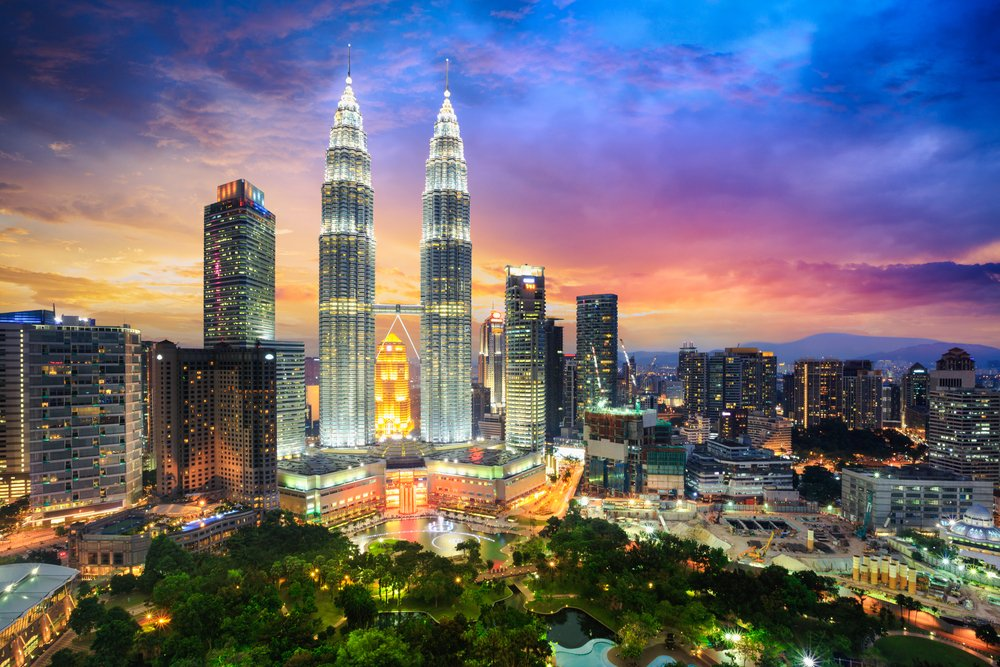
Malaysia aims to expand its gas-fired power capacity by 6 to 8 gigawatts by 2030 to meet soaring electricity demand driven largely by the rapid growth of data centres, an industry official said. This expansion would represent a 40-54% increase from the current 15 GW of gas capacity, as the country seeks to reduce reliance on coal.

According to Megat Jalaluddin, CEO of state utility Tenaga Nasional Berhad, the government plans to build new gas plants and extend the lifespan of existing ones, positioning gas as the key transitional fuel after coal. Total electricity consumption in Malaysia is projected to rise by 30% by 2030.

Malaysia is expected to see the fastest growth in data centre power demand in Southeast Asia, with data centres’ share of electricity consumption in the region forecasted to triple to 21% by 2027 from 7% in 2022, based on a May report by Bain & Co, Google, and Temasek.

Petronas, Malaysia’s LNG exporter, may start importing liquefied natural gas within four to five years due to rising gas demand. The country also targets adding up to 10 GW of renewable energy capacity by 2030, more than doubling its current 9 GW, as data centres push for greener energy sources.

Deputy Prime Minister Fadillah Yusof highlighted that data centres will require 19.5 GW of power generation by 2035, making up 52% of Peninsular Malaysia’s electricity use, up sharply from about 2% today.

Malaysia’s southern state of Johor has become a leading data centre hub in Southeast Asia, favored for its proximity to Singapore, affordable land and power, and faster regulatory approvals. Tech giants like Microsoft, Nvidia, Google, and ByteDance have committed billions in investments since early 2024, fueling an infrastructure boom.
Energy Majors Boost Gas Investments in Southeast Asia to Power Growing AI Data Centers

Major energy companies are significantly increasing investments in natural gas exploration and production across Malaysia and Indonesia to meet the surging electricity demand driven by expanding populations and a rise in data centers in Southeast Asia.

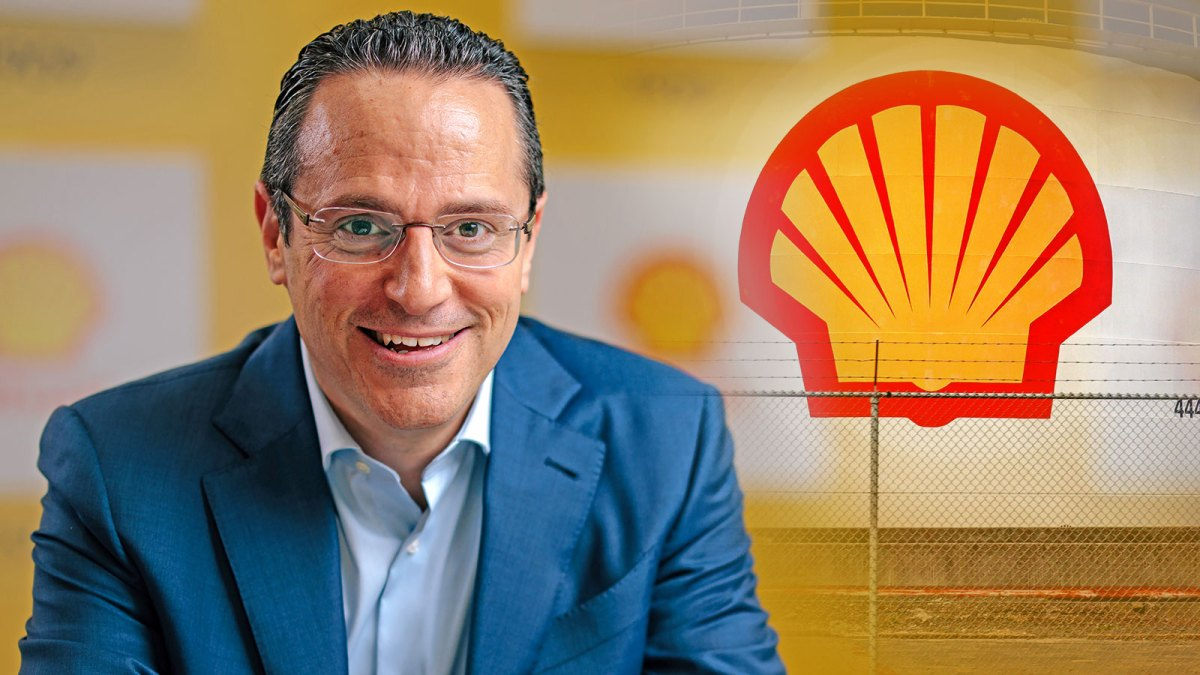
At the Energy Asia conference in Kuala Lumpur, Shell announced plans to invest an additional 9 billion ringgit ($2.12 billion) in Malaysia over the next two to three years to bolster gas production. Shell CEO Wael Sawan highlighted the urgent need to replace an expected 20% drop in regional gas output by 2035, identifying liquefied natural gas (LNG) as the most practical solution due to existing infrastructure.

French energy giant TotalEnergies recently expanded its stake in Malaysian gas assets through acquisitions from state-owned Petronas, emphasizing the region’s growing energy needs as population and industrial demand increase. Italian company Eni, together with Petronas, is preparing a joint venture to further develop gas fields in both Malaysia and Indonesia, with a formal agreement anticipated by year-end.

Japanese firm Inpex has reentered the Malaysian market, focusing on offshore exploration near Sarawak and Sabah while continuing work on Indonesia’s Abadi LNG project. CEO Takayuki Ueda noted that LNG demand will rise steadily until 2040 and possibly beyond, driven by local consumption strategies amid geopolitical uncertainties.

U.S.-based ConocoPhillips also plans investments in Malaysia’s Sabah region after withdrawing from a previous project in Sarawak, signaling continued interest in Southeast Asian gas development.

Natural gas and LNG are seen as vital fuels to replace coal-fired power plants and reduce emissions, while providing stable, reliable energy for the growing network of power-intensive data centers supporting artificial intelligence and cloud services.

Petronas CEO Tengku Muhammad Taufik Tengku Aziz confirmed the company is focused on meeting the expected doubling of global data center power demand to 945 terawatt hours by 2030, aligning energy strategies accordingly.

Energy expert Daniel Yergin of S&P Global emphasized that natural gas is becoming increasingly essential, stating countries cannot meet growing electricity needs and support data center growth without expanding gas production.

B. Grimm Power and Digital Edge to Invest $1 Billion in Thailand Data Centre

Thai energy firm B. Grimm Power Pcl and Singapore-based digital infrastructure company Digital Edge announced a joint investment of $1 billion to build a 100-megawatt data centre in Thailand. This project aims to meet rising demand for digital infrastructure powered by clean energy, driven in part by surging interest in artificial intelligence technologies across Southeast Asia.

Thailand, the region’s second-largest economy, has become a hotspot for tech giants investing heavily in data centres. Notably, TikTok’s parent company Bytedance plans to invest $8.8 billion over five years, while Google is also preparing to launch a $1 billion data centre facility in the country. Earlier this year, Thailand’s investment board approved $3 billion in investments specifically targeted at data centres and energy projects.

Microsoft last year announced plans for its first regional data centre in Thailand, further solidifying the country’s status as a growing digital hub.

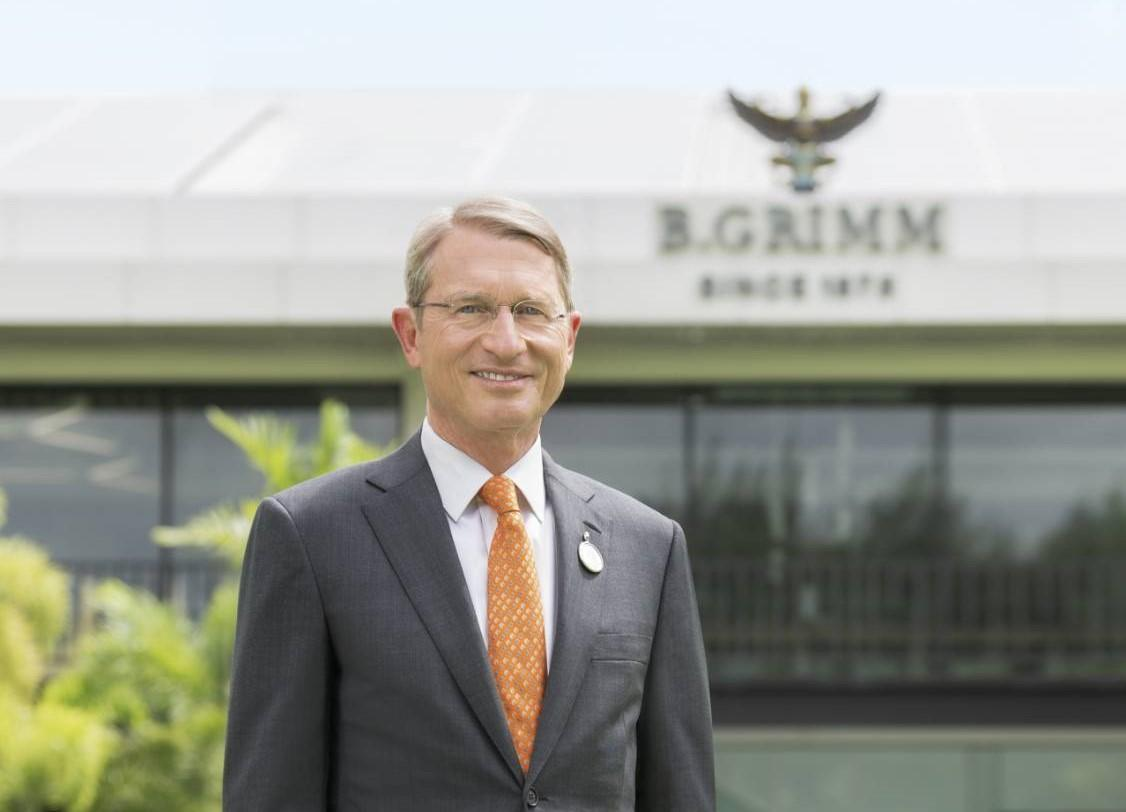
B. Grimm Power and Digital Edge said construction will be “fast-tracked” to have the data centre operational by the fourth quarter of 2026, catering to global tech firms looking to expand AI infrastructure in Southeast Asia. Harald Link, Group President of B. Grimm Power, highlighted the synergy between renewable energy and advanced data centre technology, stating the project will support Thailand’s transformation into a regional AI and cloud innovation centre.