Yazılar

NASA Announces New Launch Date for SPHEREx and PUNCH Missions

NASA has announced another delay for its SPHEREx and PUNCH missions, which are now scheduled for launch on March 7. Initially set for February 27, the launch has encountered several setbacks, with the most recent delay moving the date from March 4. The two missions will launch aboard a SpaceX Falcon 9 rocket from Vandenberg Space Force Base in California, with liftoff now expected at 10:09 p.m. EST from Launch Complex 4E. The delay is primarily due to scheduling constraints at the launch site, particularly involving the availability of a launch window on the Western Range.

The reasons behind the earlier delays were tied to extensive checks and processing of the Falcon 9 rocket, ensuring all systems are functioning correctly for the missions. The latest postponement, however, stems from the complexities of coordinating launch windows at Vandenberg, a crucial aspect of timing for space missions. Despite these delays, both SPHEREx and PUNCH are poised to contribute valuable data to their respective scientific fields.

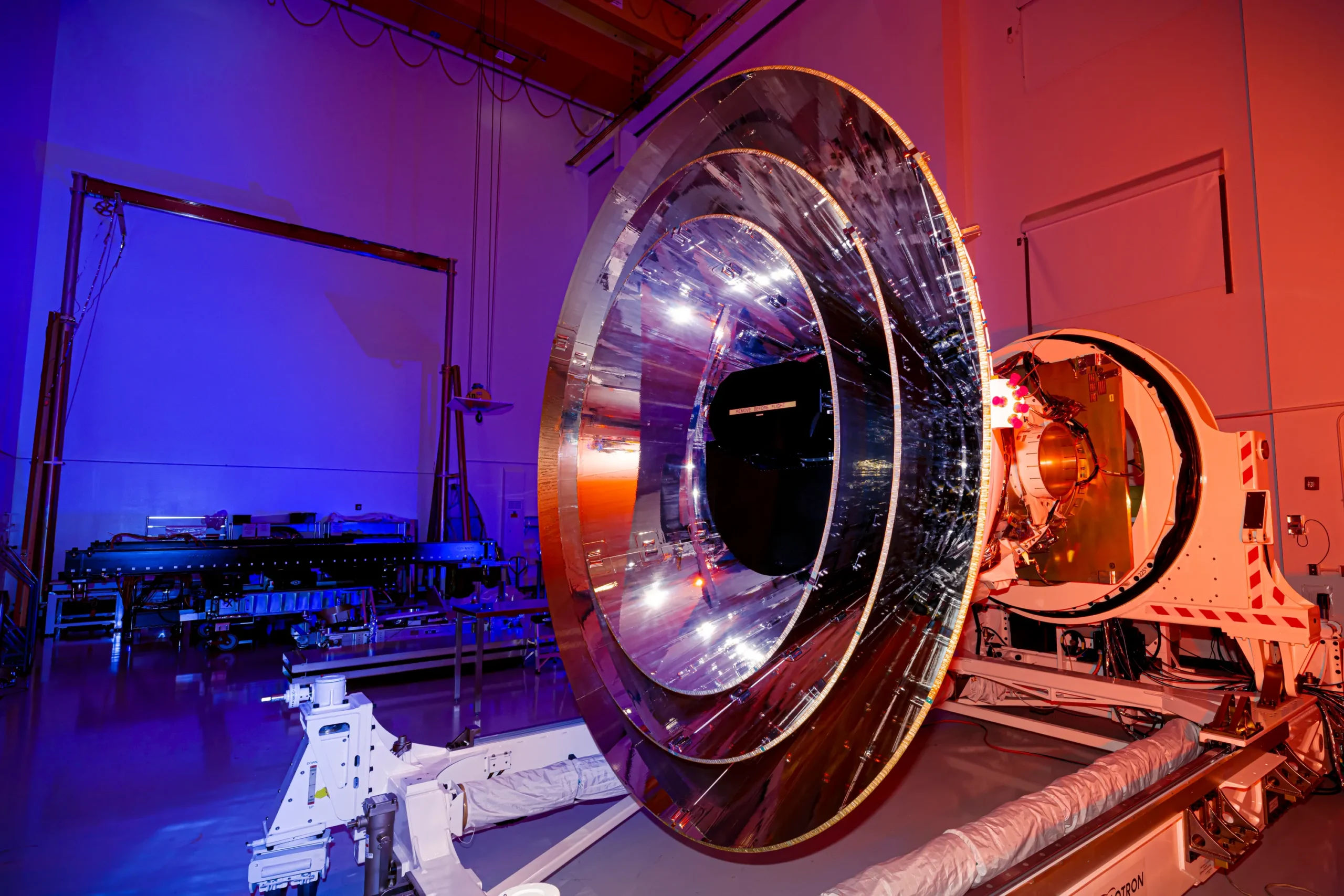
SPHEREx, which stands for the Spectro-Photometer for the History of the Universe, Epoch of Reionization, and Ices Explorer, is an infrared telescope with a mission to survey the sky and gather data on the early universe. Unlike the James Webb Space Telescope, which focuses on deep-space observations, SPHEREx will offer a broader, all-sky view in infrared wavelengths. This mission aims to explore key cosmic phenomena such as the formation of galaxies, stars, and planetary systems.

The PUNCH mission, or the Polarimeter to Unify the Corona and Heliosphere, will study solar activity through four small satellites. These satellites will focus on phenomena like coronal mass ejections (CMEs), which can cause disturbances on Earth, including radio blackouts and potential threats to satellite communications. By improving predictions of space weather, PUNCH aims to enhance our understanding of the Sun’s influence on the solar system and help mitigate the impact of space weather events on modern technology.

NASA Announces New Missions to Explore and Map the Sun and the Universe

NASA is set to launch two groundbreaking missions aimed at expanding our understanding of space and the universe. Scheduled for March 2, 2025, the PUNCH and SPHEREx spacecraft will be launched aboard a SpaceX Falcon 9 rocket from Vandenberg Space Force Base in California. These missions, designed with separate but complementary scientific goals, will provide valuable insights into solar dynamics and the broader universe. The dual launch, part of NASA’s Launch Services Program, is expected to significantly enhance our knowledge of both solar activity and cosmic phenomena.

The PUNCH mission, short for Polarimeter to Unify the Corona and Heliosphere, will focus on the Sun’s corona and solar wind. This mission is designed to provide a detailed look at the Sun’s outer atmosphere by using four small satellites equipped to capture three-dimensional images. By employing polarized light, PUNCH will track solar events like coronal mass ejections (CMEs), which can affect space weather on Earth. These observations will help scientists understand solar wind dynamics and improve space weather predictions, which are crucial for protecting communication satellites and power grids on Earth.

In contrast, the SPHEREx mission will survey the universe using infrared observations, aiming to map the entire sky every six months. Unlike missions like the James Webb Space Telescope, which focus on capturing detailed images of specific regions, SPHEREx is designed to create broad cosmic maps in 102 different wavelengths. This approach will help scientists investigate the history of the universe, the formation of galaxies, and the role of water in planetary systems. Phil Korngut, an instrument scientist on the SPHEREx mission, highlighted that the data gathered will contribute to a deeper understanding of cosmic inflation and the origins of life-sustaining elements in the universe.

Together, these missions will provide valuable complementary data, with PUNCH offering a closer look at our Sun and SPHEREx expanding our understanding of the cosmos. Both missions promise to contribute significantly to the fields of heliophysics and cosmology, offering new insights that could shape future space exploration and deepen our understanding of the universe.

SpaceX Falcon 9 Successfully Launches Athena Lander and NASA’s Lunar Trailblazer Mission to the Moon

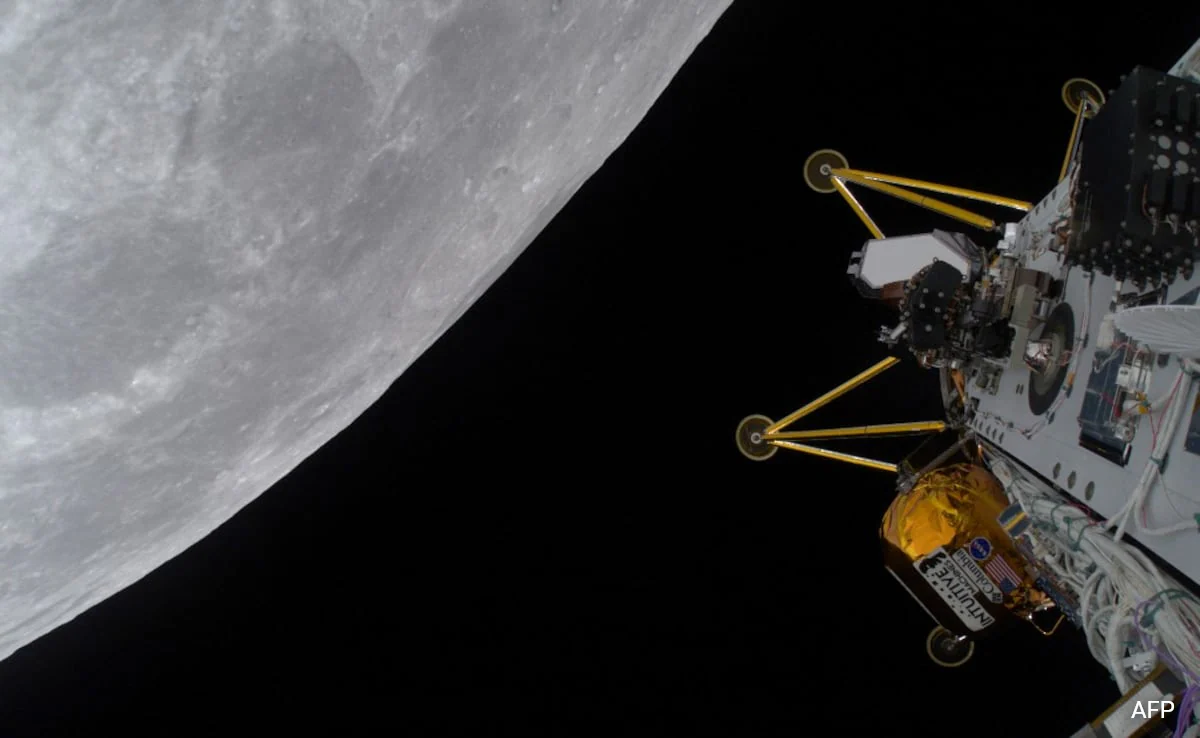
A SpaceX Falcon 9 rocket successfully launched from Kennedy Space Center, carrying both the Athena lunar lander and NASA’s Lunar Trailblazer orbiter on a mission to the Moon. The launch took place at 7:16 p.m. EST from Launch Complex-39A, marking an exciting milestone in the ongoing exploration of the lunar surface. The Athena lander, developed by Intuitive Machines, is designed to conduct detailed investigations of lunar water ice deposits, while the Lunar Trailblazer orbiter, built by NASA, will map these deposits from orbit. Together, the two missions aim to enhance our understanding of the Moon’s water ice distribution, a key component for future lunar exploration and potential resource utilization.

Athena is equipped with a suite of ten scientific instruments, including the Polar Resources Ice Mining Experiment 1 (PRIME-1), which will be central to its mission. Among the tools on board are the Regolith Ice Drill for Exploring New Terrain (TRIDENT) and the Mass Spectrometer for observing lunar operations (MSolo). These instruments will work together to extract and analyze samples from beneath the lunar surface, focusing on the presence of water ice. This data is expected to play a crucial role in advancing in-situ resource utilization (ISRU) technologies, which could enable long-term lunar exploration by utilizing local resources for fuel, water, and other necessities.

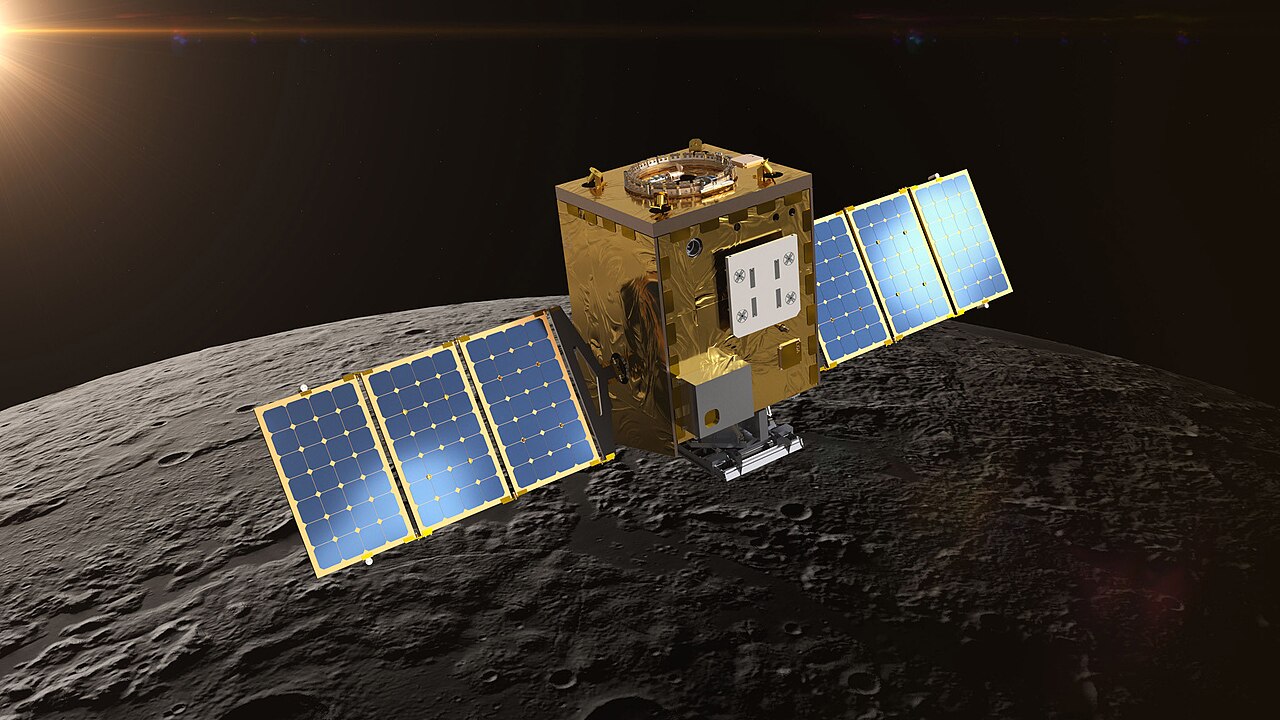
In addition to Athena’s on-the-ground research, NASA’s Lunar Trailblazer orbiter will complement the mission by mapping water ice deposits across the Moon’s surface. This data will be particularly valuable in understanding the distribution of ice in shadowed regions like Mons Mouton, where Athena is expected to land. By providing a comprehensive overview of lunar ice, Lunar Trailblazer’s findings will inform future missions and help scientists pinpoint the most promising sites for resource extraction. This coordinated approach between lander and orbiter will create a detailed picture of the Moon’s water ice reserves, which is critical for future sustainable exploration.

The Athena mission is expected to reach lunar orbit in about four to five days, with the actual landing anticipated to occur between 1.5 and three days after entering orbit. The mission is planned to last approximately ten Earth days. To extend its capabilities, Athena carries two secondary exploration vehicles: MAPP, a rover developed by Lunar Outpost, and Grace, a hopping robot created by Intuitive Machines. Grace is designed to explore shadowed lunar craters that are difficult for wheeled vehicles to access, while MAPP will help establish a lunar communications network using Nokia Bell Labs’ Lunar Surface Communications System (LSCS). These innovative technologies aim to support long-term lunar missions and ensure reliable communication between Earth and the lunar surface.

The Athena mission follows the company’s earlier IM-1 mission, which marked the first soft lunar landing by a private company but faced challenges with landing precision that affected data transmission. Intuitive Machines has focused on improving landing accuracy for IM-2, as noted by Trent Martin, the Senior Vice President of Space Systems at Intuitive Machines. The lessons learned from IM-1 will be invaluable in ensuring the success of this mission, which has the potential to lay the groundwork for future exploration of lunar resources and support the broader goals of human space exploration.