Yazılar

NASA-SpaceX Capsule Switch Poised to Bring Starliner Astronauts Home Days Sooner

NASA announced on Tuesday that it has swapped out the astronaut capsule initially planned for a routine flight to the International Space Station (ISS), a move that will expedite the return of two astronauts who have been aboard the station for longer than expected. The U.S. space agency decided to use a previously flown SpaceX Crew Dragon capsule, Endeavor, for its Crew-10 mission, replacing a new capsule whose production was delayed.

This change will bring the Crew-10 launch forward to March 12, moving up from the original March 25 date. NASA will still need to conduct a flight readiness assessment of the Endeavor capsule, which has already completed three previous missions.

The change in capsule is linked to the return of astronauts Butch Wilmore and Suni Williams, who have been on the ISS since last summer aboard Boeing’s Starliner capsule, which faced technical issues. Their return was contingent on the arrival of the Crew-10 crew to maintain the station’s normal staffing levels.

This shift in the launch schedule comes after a recent intervention by former President Donald Trump, who urged SpaceX CEO Elon Musk to bring Wilmore and Williams back “as soon as possible.” Trump had criticized President Joe Biden’s administration over the astronauts’ extended mission, despite Biden’s lack of involvement. Musk accepted Trump’s request and echoed similar sentiments, though the mission’s delays were largely attributed to Boeing’s engineering challenges.

While NASA’s statement did not specifically mention the intent to accelerate the return of Wilmore and Williams, the capsule swap will indeed bring them back earlier than initially planned. NASA’s Commercial Crew Program head, Steve Stich, acknowledged SpaceX’s flexibility in handling the unexpected changes.

The decision to switch capsules has also affected other planned SpaceX missions, including the Fram2 private astronaut mission and Axiom’s planned Crew Dragon flight for astronauts from India, Poland, and Hungary. The shift means that SpaceX will have to adjust its planned capsule allocations, impacting these missions.

SpaceX’s Crew Dragon capsule was developed with around $3 billion in funding from NASA’s Commercial Crew Program, which aims to develop private-sector capabilities for spaceflight, reducing costs and increasing competition. In contrast, Boeing’s Starliner capsule, which has struggled with engineering setbacks, is also part of the same program but has faced more significant challenges.
Elon Musk-Led Group Makes $97 Billion Bid for Control of OpenAI

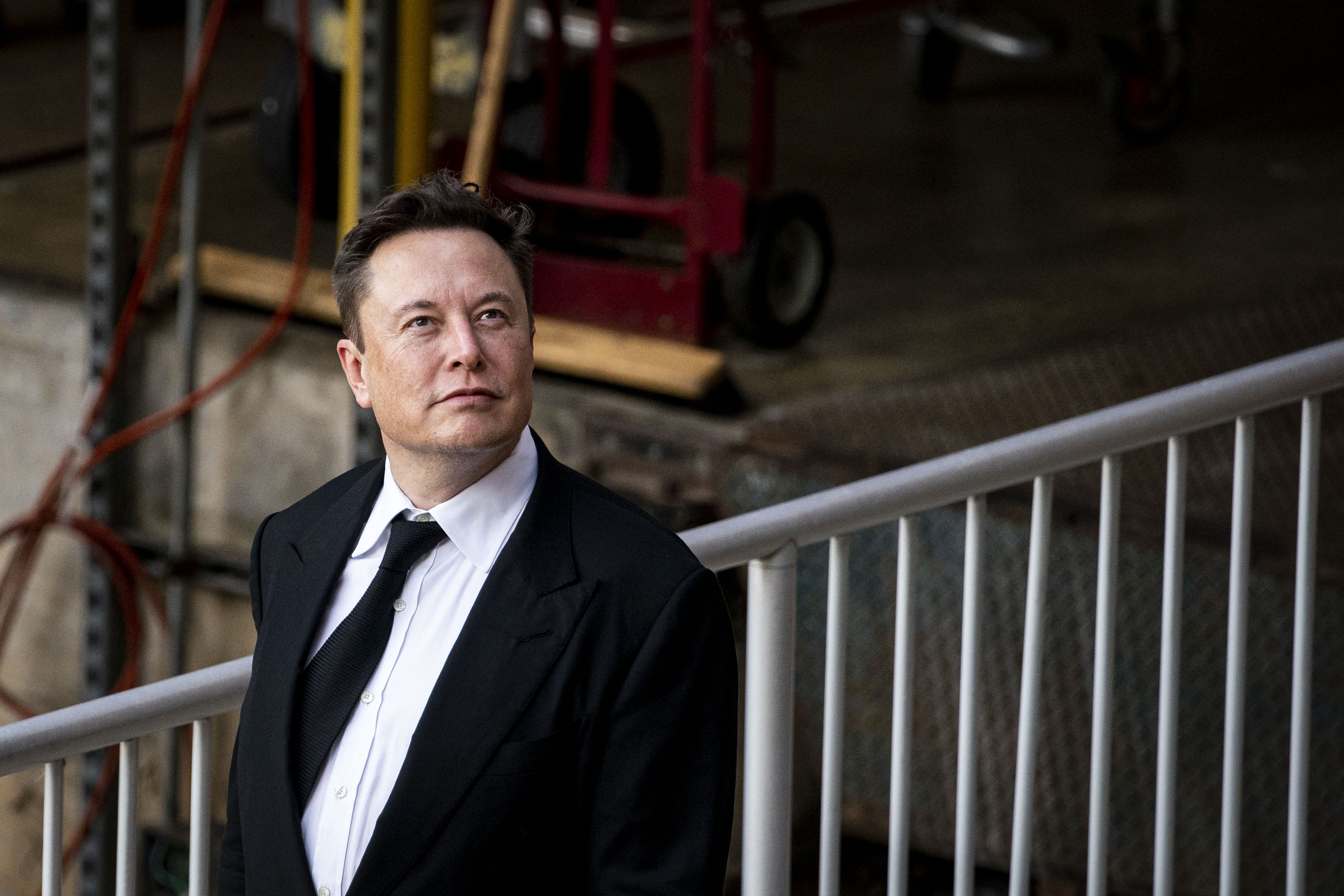
Elon Musk and a consortium of investors have presented a $97.4 billion offer to acquire OpenAI’s nonprofit parent company, escalating tensions with OpenAI CEO Sam Altman. Musk’s bid comes as part of his ongoing efforts to prevent OpenAI from transitioning into a for-profit entity, which it claims is necessary to secure sufficient funding for advanced AI model development.

Background:

Musk co-founded OpenAI in 2015 alongside Altman, initially as a nonprofit organization. However, Musk departed from the company before it gained significant traction and later established a rival AI venture, xAI, in 2023. Recently, OpenAI has been working to convert into a for-profit company to attract the capital needed to remain competitive in the AI space.

Musk, known for his leadership at Tesla and his ownership of X (formerly Twitter), has strongly opposed this shift, arguing that it prioritizes profits over the public good. In a lawsuit filed in August 2023, Musk claimed that OpenAI’s move toward a for-profit model violated its original mission to develop AI for the benefit of humanity. He has since attempted to block this transition in court.

Musk’s Offer:

Musk’s $97.4 billion bid is designed to challenge OpenAI’s current direction and potentially block its move to for-profit status. His consortium includes his own startup xAI, Baron Capital Group, Emanuel Capital, and others. A merger between xAI and OpenAI has also been suggested as part of the deal.

While the offer has made headlines, OpenAI’s board, along with CEO Sam Altman, has firmly rejected the proposal. Altman communicated to staff that OpenAI is not for sale and has no interest in Musk’s bid, emphasizing that the company intends to proceed with its transition into a for-profit entity.

Financial Implications:

OpenAI was valued at $157 billion in its last funding round, cementing its position as one of the most valuable private companies globally. SoftBank is reportedly in talks to lead a funding round that could value OpenAI at $300 billion, including new capital. However, Musk’s offer, backed by prominent investors, adds complexity to OpenAI’s fundraising efforts and the conversion process.

Musk’s wealth, primarily tied to Tesla and SpaceX, could provide the financial backing for the deal, though it may require him to liquidate part of his holdings or take out loans against his assets.

Legal and Corporate Governance Concerns:

Jonathan Macey, a corporate governance expert, expressed concern that the bid could complicate OpenAI’s nonprofit status. OpenAI’s board is tasked with ensuring the company’s mission remains intact, and they may be legally obligated to consider Musk’s bid if it’s deemed to be in the best interest of the organization.

Analysts, including Gil Luria from D.A. Davidson, suggested that Musk’s offer could disrupt OpenAI’s current fundraising strategy and call into question any existing offers, such as the potential investment from SoftBank.

T-Mobile and Starlink to Launch Satellite Connectivity for $15 a Month

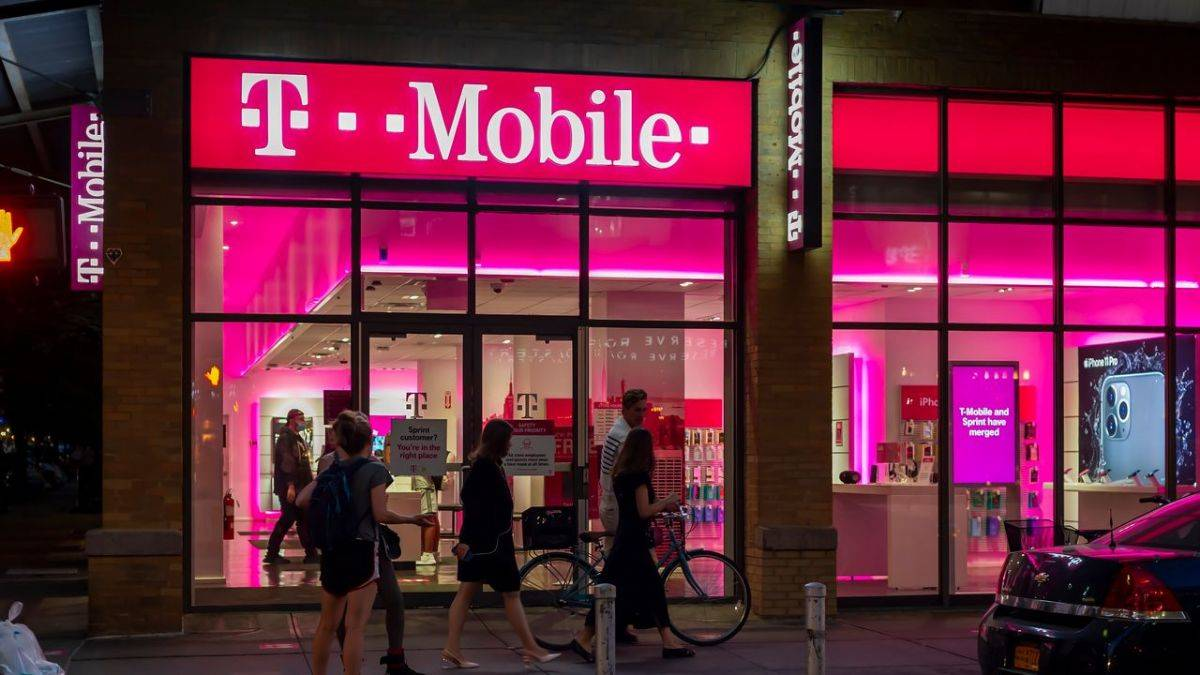
T-Mobile has announced that it will launch its satellite-to-cell service, powered by SpaceX’s Starlink, in July at a cost of $15 per month. The initiative aims to eliminate mobile dead zones and provide connectivity to remote areas, marking a significant advancement in mobile technology. T-Mobile’s shares rose by approximately 4% in premarket trading on Monday following the announcement.

The satellite service will address coverage gaps in regions of the U.S. that are inaccessible by traditional cell towers, with T-Mobile stating that 500,000 square miles of such areas will now have connectivity. A beta trial for the service began on Sunday, with T-Mobile offering the service free to customers until the official launch. After that, the service will be included at no additional cost for customers on the premium Go5G Next plan. Other plan customers will receive a 33% discount when the service officially launches.

In a groundbreaking move, T-Mobile will make the Starlink service available to customers of all U.S. wireless providers, including AT&T and Verizon, without requiring them to switch. The initial beta version of the service will provide text messaging via satellite, with voice and data features planned for later.

Mike Katz, T-Mobile’s president of marketing, strategy, and products, emphasized that the service is unique in the U.S. and will work across most smartphones from the last four years, thanks to partnerships with Apple and Google for seamless integration with their operating systems. This satellite service is expected to revolutionize connectivity for users in hard-to-reach areas.