Yazılar

SpaceX Marks Success with the Launch of 131 Satellites on Transporter 12 Mission

SpaceX successfully launched 131 satellites into orbit during its Transporter 12 mission on January 14, 2025. The launch took place from Vandenberg Space Force Base in California, with the Falcon 9 rocket lifting off at 2:09 p.m. EST. This mission continues to build on SpaceX’s rideshare program, which provides an efficient way to send multiple payloads into space for various customers with a single rocket. The Transporter 12 mission not only highlights SpaceX’s technical capabilities but also its commitment to making space access more affordable and accessible for a wide range of clients, including both commercial and government entities.

One of the notable aspects of this mission was the successful landing of the Falcon 9’s first-stage booster, which touched down at Vandenberg’s Landing Zone 4 approximately 7.5 minutes after launch. This achievement further underscores SpaceX’s progress in reusable rocket technology, which significantly reduces the cost of space launches. Transporter 12 is the 12th mission in SpaceX’s Transporter series, designed to carry multiple payloads, with this flight including satellites from a variety of companies. Notably, 37 of the satellites were from Planet Labs, a company based in San Francisco, specializing in Earth observation.

Among the Planet Labs payloads were 36 SuperDove cubesats and a single Pelican-2 satellite. The SuperDove satellites are equipped for high-resolution imaging of Earth’s surface, while the Pelican-2 satellite boasts advanced AI-powered solutions designed to analyze data in near real-time. This mission not only helped deploy satellites aimed at providing critical Earth observation data but also demonstrated how space technology is evolving with the integration of artificial intelligence to enhance data collection and processing capabilities.

With the successful completion of Transporter 12, SpaceX has now launched over 1,100 satellites across 13 rideshare missions, cementing its position as a leader in small satellite deployment. The satellites deployed during the mission were sent into low Earth orbit over a 90-minute period, beginning 54 minutes after launch. These consistent and efficient rideshare missions, which have served over 130 clients, continue to drive the expansion of the commercial space industry, providing key infrastructure for a wide range of industries, from telecommunications to Earth observation.

SpaceX’s Starship Flight 7 Set to Launch on January 15 with Enhanced Booster

SpaceX is gearing up for the highly anticipated seventh test flight of its Starship rocket, which is scheduled for Wednesday, January 15, at 5 p.m. EST. The mission, originally set for January 13 but delayed by two days, will take off from SpaceX’s Starbase facility in South Texas. This test is crucial in SpaceX’s goal to make Starship a fully operational vehicle for space exploration, with the flight marking a significant milestone in the rocket’s development. Notably, this flight will feature an upgraded version of Starship, showcasing several improvements to enhance its performance and reliability.

One of the key updates to be tested in this mission includes enhancements to the Super Heavy booster, which will carry the Starship vehicle into orbit. Additionally, the Mechazilla, the massive robotic system designed to catch and recover the booster after launch, has undergone upgrades. These improvements are intended to increase the likelihood of successfully recovering the booster after liftoff, a critical step for reusability. If the mission is successful, the Super Heavy booster will attempt to return to the launch pad, where the Mechazilla will attempt to catch it, similar to the successful recovery during Flight 5 in October.

The test flight is expected to last around 66 minutes. During this time, the Starship upper stage will deploy 10 simulated Starlink satellites within the first 17 minutes of the flight. Following this, a demonstration of one of the rocket’s six Raptor engines will take place, testing the vehicle’s capabilities. The flight will follow a suborbital trajectory, culminating in a splashdown in the Indian Ocean. Meanwhile, the Super Heavy booster will re-enter the atmosphere, with a catch attempt by Mechazilla planned. If the catch is unsuccessful due to unfavorable conditions, a backup plan will involve a soft landing in the Gulf of Mexico.

SpaceX’s continued progress with the Starship system represents a major step forward in the company’s ambitious vision for space exploration. With each test flight, including this one, SpaceX refines its technologies, bringing it closer to achieving regular flights to the Moon, Mars, and beyond. The January 15 test flight will be another opportunity for the company to demonstrate the capabilities of Starship’s advanced systems, pushing the boundaries of what is possible in the realm of space travel.

Lonestar Data Holdings Plans to Place First Data Center on the Moon

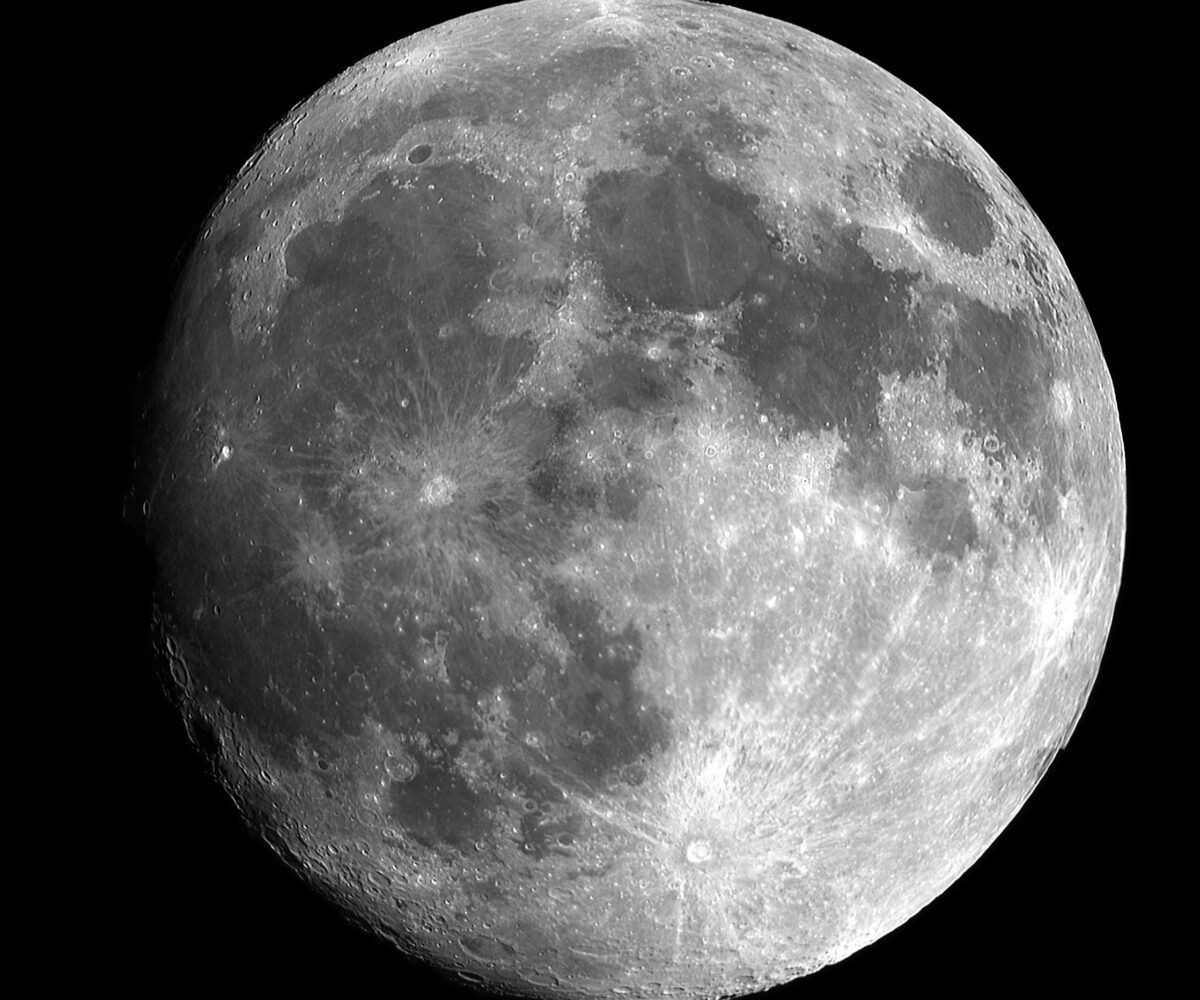
Lonestar Data Holdings, a space startup, is preparing to launch the first-ever data center on the moon, aiming to harness lunar resources for space-based computational needs. The company has announced that its fully assembled data center, named Freedom, will be launched by SpaceX’s Falcon 9 rocket, integrated with Intuitive Machines’ moon lander, Athena, in late February.

Key Points:

  • Moonshot Mission: Lonestar’s ambitious plan is to place a data center on the lunar surface, leveraging the moon’s distance from Earth for enhanced communication security. This initiative is focused on disaster recovery and data storage, rather than latency-dependent tasks like real-time computing.
  • Sustainable Energy Model: The data center will be powered by solar energy and feature naturally cooled solid-state drives. The company aims to take advantage of the moon’s abundant solar energy and a cost-effective cooling system, making the operation both efficient and sustainable.
  • Strategic Partnerships: Lonestar has already signed up a diverse set of customers, including the State of Florida, Isle of Man government, AI firm Valkyrie, and even pop rock band Imagine Dragons. These partnerships underline the growing interest in space-based data storage solutions.
  • Ground Support: To ensure operational reliability, Lonestar’s moon-based data center will be backed up by Flexential’s data center facility in Tampa, Florida. This hybrid approach aims to balance the challenges of space operations with the security of terrestrial backups.
  • Challenges and Risks: Despite the potential, hosting data centers in space comes with challenges such as high launch costs, limited maintenance options, and the risk of rocket launch failures. Once a satellite or data center is deployed, it becomes a high-risk venture with no room for recovery in case of malfunction.
  • Industry Growth: The idea of space-based data centers is gaining momentum as the demand for computational power, especially for AI, increases. Lonestar has raised nearly $10 million, joining other space startups like Lumen Orbit, which recently secured $11 million for similar ventures.