
Yazılar

Two Athletes Tragically Die at World Triathlon Championships in Spain

The World Triathlon Championships in Torremolinos, Spain, turned tragic on Thursday as two athletes lost their lives while competing in the sprint category. The international sporting community was deeply saddened by the passing of a Mexican athlete and a British competitor during the first day of the championships.

World Triathlon released a statement confirming the deaths, expressing condolences to the families, friends, and national federations of the athletes. The organization, alongside the Spanish Federation and local organizers, is working closely with the affected families to provide support during this difficult time.

The Mexican Triathlon Federation identified their athlete as 79-year-old Roger Mas Colomer, who was participating in the Age-Group category. British Triathlon also confirmed the passing of one of its Age-Group members but chose not to disclose the athlete’s name, citing respect for the family’s privacy. Both federations expressed deep sorrow for the losses.

No official cause of death has been released for either competitor, and event organizers are yet to provide further details. Both athletes were participating in the Age-Group races, which allow non-professional triathletes to compete against others within their age band.

The Age-Group race format consists of a 750-meter swim, a 20-kilometer cycle, and a 5-kilometer run. The championship in Torremolinos is hosting over 5,500 athletes, with more than 4,000 in the Age-Group category, representing 79 countries.

The World Triathlon Championships, which started on Thursday, will continue through the weekend and conclude with the Elite Men’s Finals on Sunday.
 

EU Governments Set to Vote on Chinese EV Tariffs Amid Concerns Over Retaliation

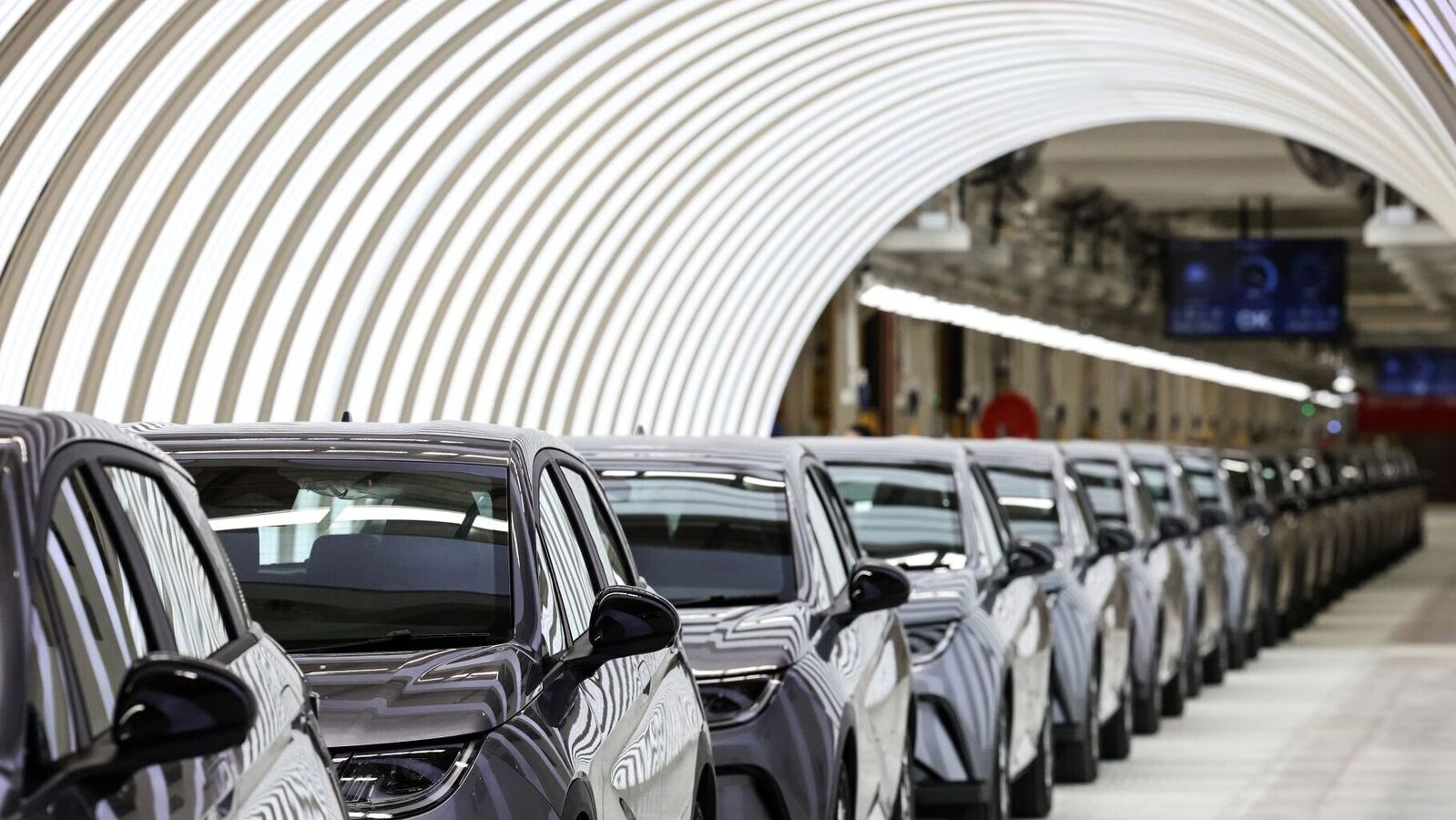
European Union member states are preparing for a crucial vote on Friday to determine whether to impose tariffs of up to 45% on Chinese-made electric vehicles (EVs). The proposed tariffs follow a year-long anti-subsidy investigation, which concluded that Chinese EVs benefit from unfair government subsidies, distorting competition within the EU market. The vote comes amid concerns of potential retaliation from Beijing, which has already initiated its own probes into European imports.

The European Commission, which manages trade policy for the bloc, has proposed the tariffs for the next five years. However, under EU rules, the decision requires a qualified majority, meaning 15 EU countries representing 65% of the bloc’s population must support or reject the proposal. If the vote is split, the Commission can still move forward with the tariffs but may also opt to amend the proposal to gain broader support.

France, Italy, Greece, and Poland have reportedly voiced their support for the tariffs, ensuring there won’t be a blocking majority against the measures. Meanwhile, Germany, the EU’s largest economy and a major car producer, is expected to vote against the tariffs. German automakers, such as Volkswagen, have expressed strong opposition, citing the significant share of their sales that come from the Chinese market, which accounts for almost a third of their global revenue. Volkswagen has labeled the proposed tariffs as “the wrong approach.”

The stance of Spain has shifted in recent days. Previously in favor of tariffs, Spanish officials have now called for a continuation of negotiations rather than imposing immediate duties. In a letter to European Commission Vice President Valdis Dombrovskis, Spain’s economy minister suggested seeking a deal on prices and relocating battery production to the EU. Spanish Prime Minister Pedro Sanchez had also indicated a desire to reconsider the EU’s position during his visit to China.

While some EU countries remain cautious of China’s reaction, the bloc’s relationship with China has become more complex over the past five years. The EU now views China not only as a partner but also as a competitor and systemic rival. In light of China’s 3 million surplus EV production capacity — double the size of the EU market — Europe has emerged as the most viable market for Chinese exports, especially given the 100% tariffs imposed by the United States and Canada on Chinese EVs.

The Commission remains open to further negotiations with China, considering alternatives to tariffs. A possible solution could involve setting minimum import prices based on various criteria, including EV range, battery performance, and vehicle specifications. The current tariff proposal includes additional duties of 7.8% for Tesla and 35.3% for SAIC and other non-cooperating companies, on top of the EU’s standard 10% import duty for cars.

As the EU prepares for this pivotal vote, the outcome will likely have far-reaching consequences for EU-China trade relations, the European automotive market, and the broader global EV supply chain.


Venezuelan Opposition Leader Edmundo González Seeks Asylum in Spain

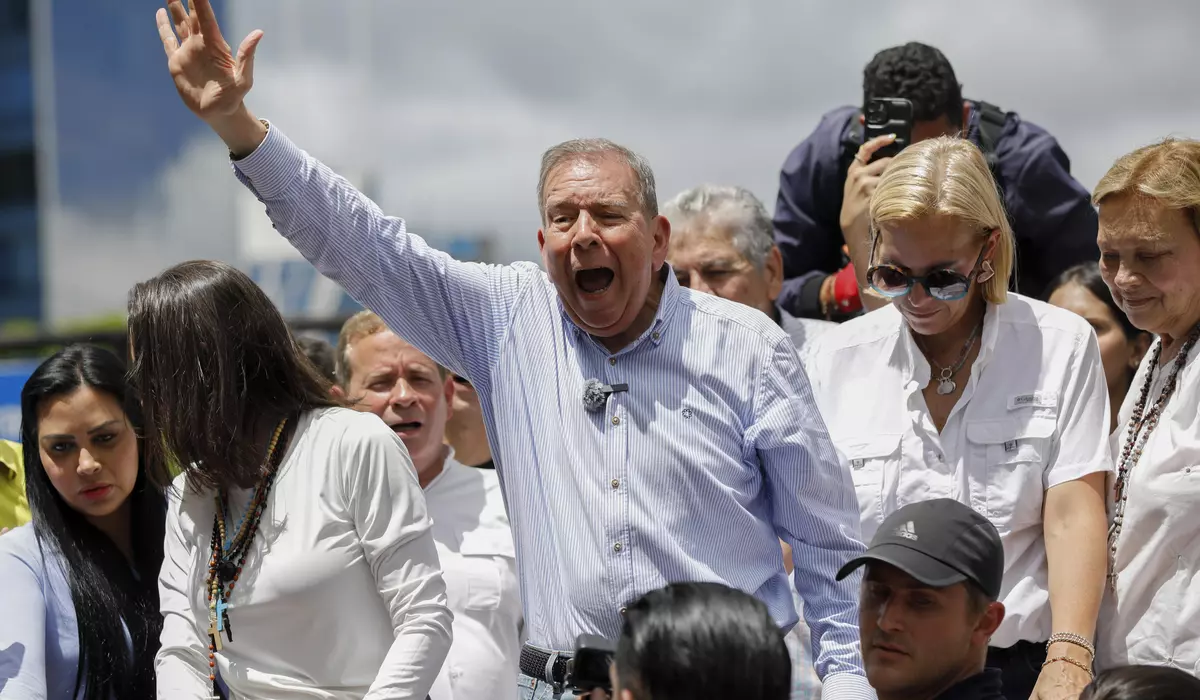
In a dramatic development, Venezuelan opposition leader Edmundo González has left Venezuela and sought asylum in Spain. The Venezuelan government confirmed that González, who had been in hiding following a warrant for his arrest, sought refuge at the Spanish embassy in Caracas before requesting asylum.

Political Context

González’s departure comes amid ongoing political turmoil in Venezuela. The crisis began after the National Electoral Council (CNE), controlled by the government, declared Nicolás Maduro the winner of the presidential election held on July 28. The opposition has disputed the results, claiming that González won by a significant margin. They have provided detailed voting tallies online that purportedly show González as the victor.

Government Response

Venezuelan Vice-President Delcy Rodríguez announced on social media that Caracas had granted González safe passage out of the country. Spain’s Minister of Foreign Affairs, José Manuel Albares, confirmed that González left Venezuela on a Spanish Air Force plane at his own request. Albares reiterated Spain’s commitment to the political rights of Venezuelans.

Ongoing Crisis

Since the election, Venezuela has experienced significant unrest. The government’s response to opposition protests and claims has resulted in violence, with at least 27 lives lost and 192 people injured. The government has also detained approximately 2,400 individuals. The post-election violence and the government’s handling of the situation have led to widespread condemnation from international communities, including the United States, the European Union, and several Latin American countries.