Yazılar

Major U.S. Banks Explore Joint Stablecoin Initiative, WSJ Reports

Several top U.S. banks, including JPMorgan Chase, Bank of America, Citigroup, and Wells Fargo, are reportedly in early discussions to jointly issue a stablecoin, according to a Wall Street Journal report published Thursday. The conversations are still preliminary and conceptual, sources told the newspaper.


Details of the Stablecoin Proposal

  • The effort involves entities co-owned by the banks, including The Clearing House and Early Warning Services.

  • One proposed structure could allow non-owner banks to also use the stablecoin, potentially expanding it into a broadly accepted digital settlement method within the financial industry.

  • The banks aim to explore whether a jointly issued dollar-backed stablecoin could enhance settlement efficiency, particularly for digital payments and interbank transfers.

  • Discussions also include the regulatory implications and technical infrastructure needed for a consortium-based coin.


Context and Market Implications

  • Stablecoins are cryptocurrencies pegged to fiat currencies (usually the U.S. dollar) and are primarily used to transfer value across crypto ecosystems quickly and with minimal volatility.

  • Currently, the U.S. stablecoin market is dominated by private players like Tether (USDT) and Circle (USDC). A move by traditional banks could challenge their dominance and legitimize digital dollar alternatives in regulated finance.

  • The initiative, if realized, would mark one of the most significant entries by traditional financial institutions into crypto infrastructure.


Political and Regulatory Backdrop

  • The report comes amid a shifting regulatory and political landscape in the U.S.:

    • Former President Donald Trump has positioned himself as a pro-crypto advocate, promising to become the “crypto president” and backing policies that promote blockchain innovation.

    • This contrasts with prior Democratic efforts to regulate or restrict aspects of crypto finance.

  • Regional banks are reportedly considering forming a separate consortium, highlighting the fragmented but growing interest in stablecoin issuance across the banking spectrum.


Responses and Next Steps

  • Citigroup, Bank of America, and Wells Fargo declined to comment.

  • JPMorgan did not respond to inquiries.

  • No official decisions have been made, and the project remains exploratory with potential changes in direction depending on regulatory feedback and internal priorities.

U.S. Senate Blocks Stablecoin Bill, Delivering Setback to Crypto Industry

A bill aimed at establishing a U.S. regulatory framework for stablecoins failed to advance in the Senate on Thursday, marking a significant setback for the crypto industry and stalling hopes for near-term federal legislation governing dollar-pegged digital tokens.

Known as the GENIUS Act, the legislation fell short of the 60 votes needed to proceed to a full Senate vote, securing only 49 votes in favor. The failure comes despite months of lobbying by the crypto sector, which poured over $119 million into supporting pro-crypto candidates during last year’s election cycle and framed stablecoin regulation as a bipartisan issue.

Stablecoins — cryptocurrencies designed to maintain a stable 1:1 peg to the U.S. dollar — are widely used in crypto trading and payments, and their mainstream use has grown rapidly. While the industry had hoped the bill would pass this year, Democratic pushback intensified, particularly in light of former President Trump’s growing involvement in crypto ventures.

Two Republican senators — Josh Hawley and Rand Paulvoted against the bill alongside most Democrats, citing unresolved concerns. Senator Mark Warner, a Democrat who had previously backed the bill in committee, explained his opposition during the vote:

The work is not yet complete, and I simply cannot in good conscience ask my colleagues to vote for this legislation when the text isn’t finished.”

A group of Democrats who initially supported the measure accused Republicans of refusing to strengthen the bill’s anti-money laundering safeguards and foreign stablecoin oversight, particularly following news that Trump-affiliated World Liberty Financial would launch a stablecoin to support a $2 billion Abu Dhabi-backed investment in Binance.

Senate Majority Leader John Thune expressed frustration on the floor after the vote, blaming Democrats for halting momentum:

Not every bill that comes to the floor is a final bill… This was a missed opportunity for a bipartisan win.”

With this latest setback, the path forward for stablecoin regulation remains uncertain, and the crypto industry is left grappling with yet another delay in achieving formal legal clarity in the U.S. financial system.

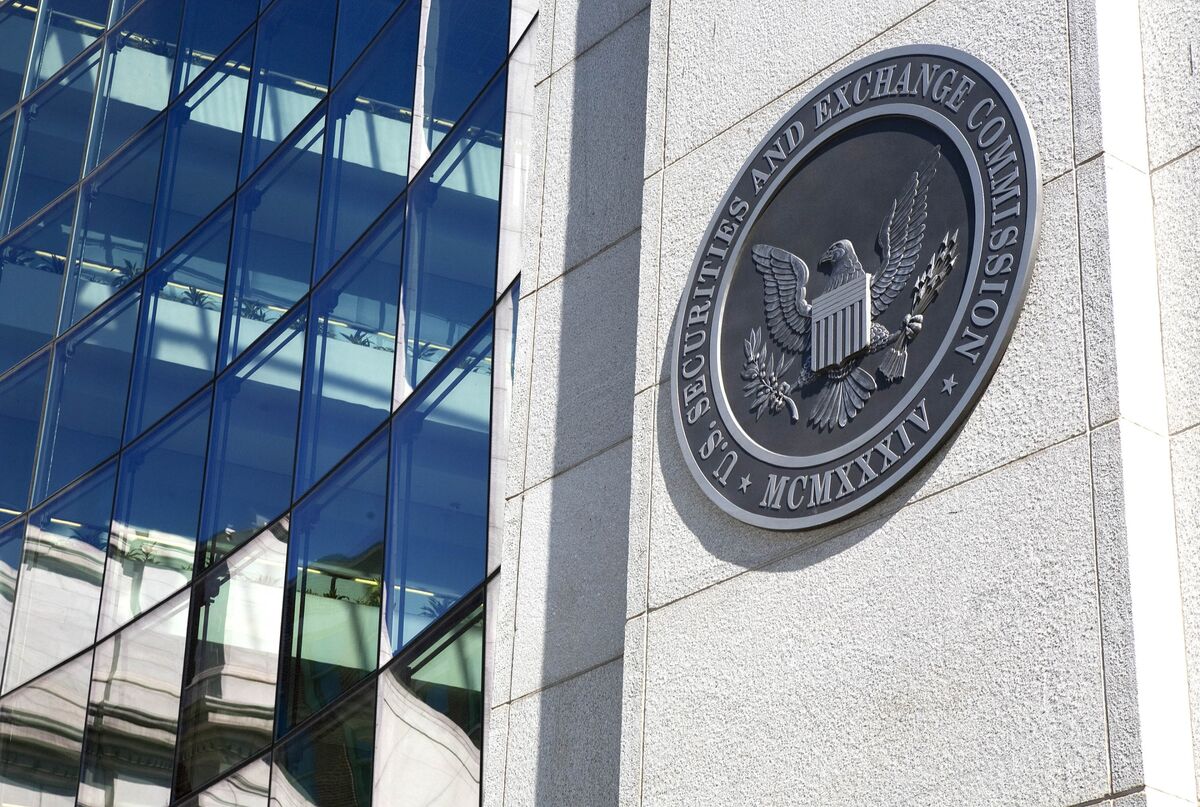
US SEC Clarifies Stablecoins Do Not Qualify as Securities Requiring Registration

The U.S. Securities and Exchange Commission (SEC) has provided much-needed clarity to the crypto industry by stating that, in general, stablecoins are not considered securities and do not require registration with the agency. This clarification marks a significant shift in regulatory tone and provides a level of assurance to stablecoin issuers and exchanges operating within the United States. The SEC’s position could help pave the way for further innovation and adoption of stablecoins, particularly those backed by traditional assets like the U.S. dollar or commodities.

In its announcement, the SEC specified that this determination applies to stablecoins that are fully backed by high-quality liquid assets. These can include fiat currencies such as the U.S. dollar, commodities like gold, or a pool of other reliable assets. This means that stablecoins like USDC, which maintain a 1-to-1 backing with fiat currency, are not subject to the same registration requirements as securities. Circle Internet Group President Heath Tarbert welcomed the decision, stating it provides clear regulatory certainty for well-structured stablecoins while cautioning that not all crypto assets labeled as “stablecoins” fall under this exemption.

However, the SEC also made it clear that the determination does not grant blanket immunity to all digital assets marketed as stablecoins. In a footnote, the agency emphasized that each stablecoin will still be subject to individual evaluation. This case-by-case approach ensures that only those assets meeting the strict criteria of full backing and liquidity transparency will be excluded from securities classification, while others may still come under scrutiny.

The move is likely to have broader implications for digital asset legislation in the U.S. It could accelerate discussions in Congress around comprehensive stablecoin regulations and a broader digital asset market-structure bill. With the SEC’s position now clarified, lawmakers may feel more confident in advancing bipartisan efforts to create a regulatory framework that supports innovation while safeguarding investors in the rapidly evolving crypto economy.