Yazılar

FCC Approves SpaceX Plan to Deploy 7,500 Additional Starlink Satellites

The U.S. Federal Communications Commission has approved SpaceX’s request to deploy an additional 7,500 second-generation Starlink satellites, significantly expanding the company’s satellite broadband network as it seeks to boost global internet coverage.

With the approval, SpaceX is now authorised to operate a total of 15,000 Gen2 Starlink satellites worldwide. The FCC also granted permission for the company to upgrade these satellites, operate across five frequency bands, and waived previous restrictions that limited overlapping coverage and network capacity.

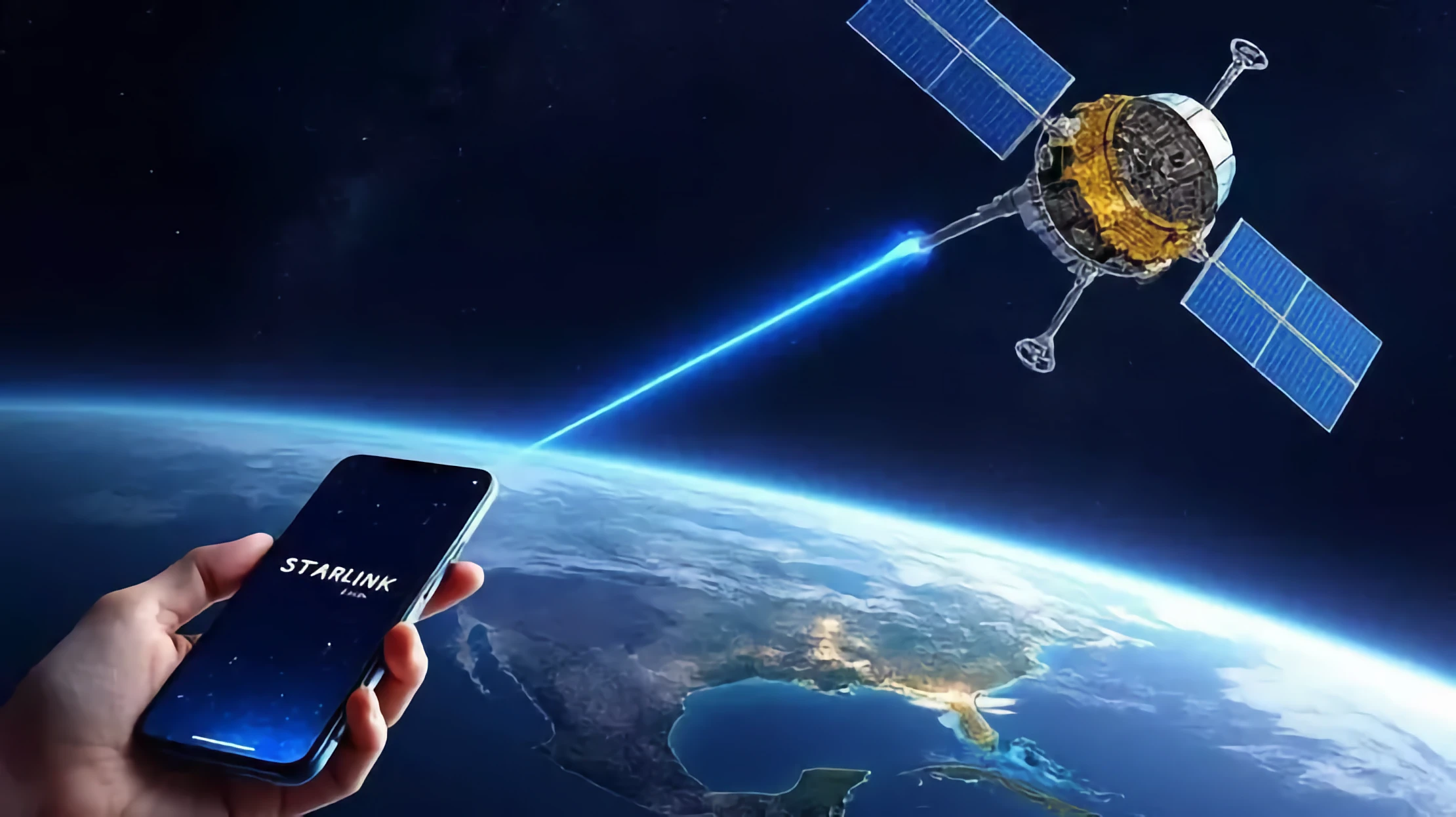
According to the FCC, the newly authorised satellites will support direct-to-cell connectivity outside the United States and provide supplemental coverage within the U.S., enabling next-generation mobile services and internet speeds of up to 1 gigabit per second.

“This FCC authorisation is a game-changer for enabling next-generation services,” said FCC Chair Brendan Carr. “By authorising 15,000 new and advanced satellites, the FCC has given SpaceX the green light to deliver unprecedented satellite broadband capabilities, strengthen competition, and help ensure that no community is left behind.”

SpaceX had sought approval to deploy nearly 30,000 satellites in total, but the FCC said it is, for now, approving only half of that request. The remaining 14,988 proposed Gen2 satellites — including those intended to operate above 600 kilometres in orbit — will be reviewed at a later stage.

Under the decision, SpaceX must launch and operate at least 50% of the authorised Gen2 satellites by December 1, 2028, with full deployment required by December 2031. The company is also required to complete deployment of its 7,500 first-generation satellites by late November 2027.

The approval comes as Starlink continues to reconfigure its constellation. The company said last week it would begin lowering satellites orbiting at around 550 kilometres to 480 kilometres during 2026 to improve space safety. SpaceX disclosed in December that one satellite suffered an in-orbit anomaly that generated a small amount of debris — a rare kinetic incident for the satellite internet operator.

SpaceX, led by billionaire Elon Musk, has become the world’s largest satellite operator through Starlink, which currently consists of about 9,400 active satellites delivering broadband internet to consumers, governments and businesses. Former FCC Chair Jessica Rosenworcel had previously called for more competition in the satellite broadband sector, noting that Starlink controlled nearly two-thirds of all active satellites.

Starlink to Lower Satellite Orbits in 2026 to Improve Space Safety

Starlink plans to begin reconfiguring its satellite constellation in 2026 by lowering all spacecraft currently orbiting at around 550 kilometres to approximately 480 kilometres, according to Michael Nicolls, vice president of Starlink engineering at SpaceX.

Nicolls said the move is aimed at enhancing space safety by operating satellites at lower altitudes, where the overall congestion of objects is significantly reduced. In a post on X, he said that condensing Starlink’s orbits would lower the aggregate risk of collisions, as there are fewer debris objects and planned satellite constellations below the 500-kilometre threshold.

The announcement follows an incident disclosed by Starlink in December, when one of its satellites experienced an anomaly in orbit. The spacecraft, operating at an altitude of about 418 kilometres, lost communications and generated a small amount of debris after what appeared to be an onboard explosion. The satellite rapidly dropped around four kilometres in altitude, marking a rare kinetic accident for the satellite internet provider.

Picture background

Starlink said the incident involved just one satellite out of nearly 10,000 currently in orbit as part of its global broadband network. While the amount of debris was described as limited, the event highlighted growing concerns over orbital safety as low Earth orbit becomes increasingly crowded.

The number of spacecraft circling Earth has surged in recent years as companies and governments race to deploy large satellite constellations for broadband internet, communications and Earth observation services. Once primarily known for its rocket launch business, SpaceX has become the world’s largest satellite operator through Starlink, delivering internet connectivity to consumers, governments and enterprise customers worldwide.

By lowering its satellites’ operating altitude, Starlink aims to reduce long-term debris risks and ensure that any non-functioning spacecraft naturally deorbit more quickly, contributing to safer and more sustainable use of Earth’s orbital environment.

Vodacom Partners with Elon Musk’s Starlink to Expand High-Speed Internet Across Africa

Vodacom Group (VODJ.J), South Africa’s largest mobile network operator, has signed a landmark partnership with Elon Musk’s Starlink to deliver high-speed, low-latency broadband to businesses across Africa, the company announced on Wednesday.

The deal aims to bridge one of the continent’s toughest connectivity challenges — extending reliable internet coverage to remote and rural regions where traditional mobile infrastructure remains costly due to sparse populations and difficult terrain.

Vodacom, which serves more than 223 million customers and is majority-owned by Britain’s Vodafone (VOD.L), said it will integrate Starlink’s low-Earth orbit (LEO) satellite technology into its network to enhance data relay capacity. The agreement also allows Vodacom to resell Starlink’s equipment and services directly to African customers.

“We continue dealing with multiple satellite providers, including Starlink, where Starlink has been licensed, as well as AST SpaceMobile and Amazon Kuiper,” CEO Shameel Joosub told Reuters following the company’s interim results on Monday.

The move underscores a growing trend among African telecom operators to partner with next-generation satellite companies. Rival MTN Group (MTNJ.J) is also exploring similar deals, while Vodafone has already teamed up with Amazon’s Project Kuiper and AST SpaceMobile (ASTS.O) to strengthen its global connectivity footprint.

By leveraging Starlink’s network of thousands of orbiting satellites, Vodacom aims to deliver faster and more reliable broadband to underserved areas — a critical step in Africa’s digital transformation.