Yazılar

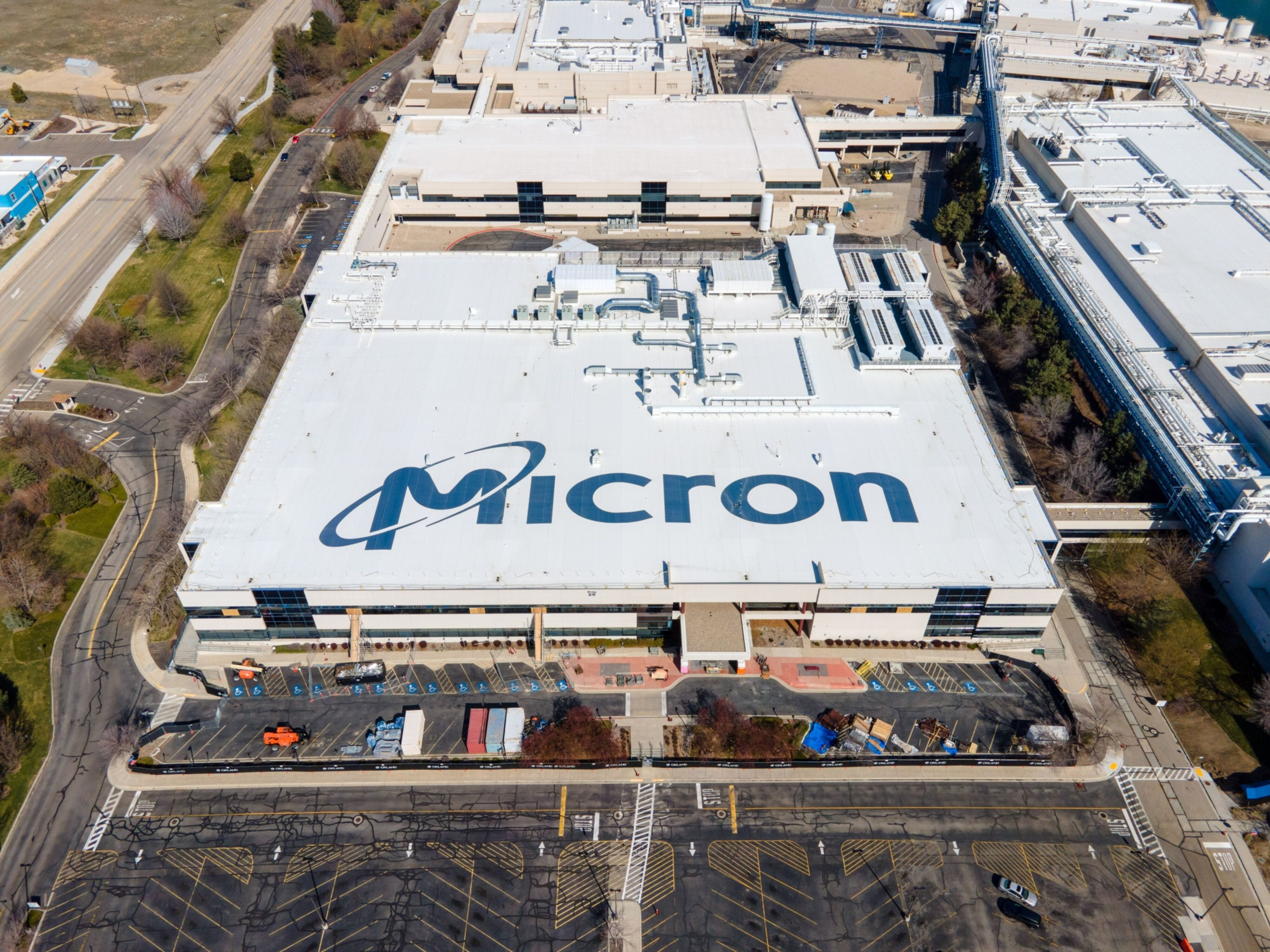
Micron Shares Drop as Sluggish PC Demand and Weak Forecast Cloud AI Growth Potential

Micron Technology’s shares fell by approximately 15% on Thursday after the company issued a grim forecast for the upcoming quarter, highlighting weak demand for personal computers (PCs) and smartphones, which overshadowed the positive growth in its AI-related chip sales.

Weak Demand for DRAM Chips

The market for dynamic random-access memory (DRAM) chips, which are commonly used in personal computers and smartphones, has been struggling since the end of the pandemic. This decline is driven by a lingering supply glut and continued sluggish demand from consumers. As a result, Micron’s forecast for its flash memory chip revenue in fiscal 2025 looks bleak, as these chips are heavily dependent on PC and mobile phone shipments. According to William Kerwin, an analyst at Morningstar, the post-pandemic growth in demand for traditional PCs has not met expectations, and AI-enabled computers have yet to achieve widespread popularity.

Slow Transition to Windows 11

Micron is also facing headwinds from the slower-than-expected adoption of Windows 11, after Microsoft announced the end of support for Windows 10. This gradual transition has contributed to the challenges in the broader PC market, impacting demand for memory chips.

If the losses hold, Micron’s market value could decline by more than $17 billion, bringing it to approximately $99 billion. This downward shift in value reflects concerns about Micron’s ability to recover from these demand-related issues.

Growth in AI Chips and High-Bandwidth Memory

Despite the challenges in the PC and mobile markets, Micron has seen strong growth in its high-bandwidth memory (HBM) chips, which are used in advanced AI systems. Revenue from these chips more than doubled sequentially, and Micron is positioning itself to take advantage of market expansion opportunities from data center investments in 2025. Analysts from Piper Sandler believe that Micron’s HBM segment remains intact and will continue to drive growth.

Micron is one of only three major HBM chip providers, alongside SK Hynix and Samsung, which has helped boost its stock by around 22% this year. Analysts expect HBM demand to remain a key driver of Micron’s performance moving forward.

Analyst Reactions

Despite the positive outlook for AI-related chips, at least 10 brokerages have lowered their price targets for Micron following its disappointing earnings results. According to data from LSEG, Micron’s 12-month forward price-to-earnings ratio is now 10.67, significantly lower than Qualcomm’s 13.4 and Advanced Micro Devices’ 23.97.

 

Adobe Shares Plunge 14% on Weak Revenue Guidance

Adobe experienced its steepest stock drop in over two years, falling 14% on Thursday following disappointing revenue guidance for the fiscal first quarter of 2024. The software giant forecast sales between $5.63 billion and $5.68 billion, falling short of the $5.73 billion average analyst estimate compiled by LSEG.

The unexpected forecast has rattled investors and analysts alike. TD Cowen downgraded Adobe’s stock from “buy” to “hold,” while Wells Fargo maintained its “buy” rating but acknowledged a “frustrating” outlook for 2024. Adobe’s stock is now down 20% for the year, underperforming the Nasdaq, which has surged 33% in 2024 and recently crossed the 20,000 mark.

Mixed Q4 Performance
Despite the disappointing guidance, Adobe’s fourth-quarter results exceeded expectations:

  • Adjusted earnings per share: $4.81 (vs. $4.66 expected)
  • Revenue: $5.61 billion, an 11% increase year-over-year (vs. $5.54 billion expected)

The company’s growth strategy hinges on monetizing generative artificial intelligence (AI). Adobe has integrated AI tools such as Firefly for image generation into its Creative Cloud and other standalone offerings, which have contributed to its revenue growth thus far.

Analyst Reactions
Deutsche Bank analysts maintained their “buy” rating for Adobe but reduced their target price from $650 to $600, citing cautious optimism. “These results and guidance require a bit of faith in the full year next year,” they said, while also noting that Adobe is among the few application software companies effectively capitalizing on generative AI.

As Adobe seeks to navigate challenges in revenue growth, investors are closely monitoring its ability to sustain momentum in the competitive generative AI space while meeting market expectations.


Moderna Stock Plummets 20% After Lowering Guidance on EU Sales and U.S. Vaccine Market Challenges

Moderna experienced a significant 20% drop in its stock price on Thursday after reporting second-quarter results that, while beating revenue expectations, prompted the company to sharply reduce its full-year sales forecast. The biotech firm now anticipates 2024 product revenue between $3 billion and $3.5 billion, down from its previous estimate of $4 billion.

The revised guidance is attributed to lower-than-expected sales in Europe, heightened competition in the U.S. vaccine market, and potential delays in international revenue. Moderna’s newly approved respiratory syncytial virus (RSV) vaccine, mRESVIA, began shipping in the U.S., but faces stiff competition from existing RSV vaccines by Pfizer and GSK.

Moderna CEO Stephane Bancel highlighted the increased competition for both RSV and Covid vaccines and noted difficulties in securing new contracts with European governments due to tight budgets and existing agreements with Pfizer and BioNTech. The ongoing conflict in Ukraine is also putting strain on government finances.

Despite the current challenges, Bancel expressed optimism for a recovery, projecting sales growth in 2025 and a break-even point by 2026, driven by new product launches.

For the second quarter, Moderna reported:

  • Loss per share: $3.33, better than the expected loss of $3.39
  • Revenue: $241 million, exceeding the $132 million forecast

Revenue from Moderna’s Covid vaccine fell 37% year-over-year, contributing to the company’s net loss of $1.28 billion. However, Moderna achieved a reduction in costs, including a significant drop in sales expenses and a 19% decrease in selling, general, and administrative costs. R&D expenses rose by 6% to $1.2 billion due to increased personnel costs.

Despite these setbacks, Moderna’s stock has risen nearly 20% this year, reflecting confidence in its pipeline and messenger RNA technology. The company is advancing 45 products in development, including a combination vaccine for Covid and flu, and a personalized cancer vaccine with Merck.