Yazılar

Taiwan Mobilizes Troops and Prepares for Storm Surge as Powerful Typhoon Krathon Approaches

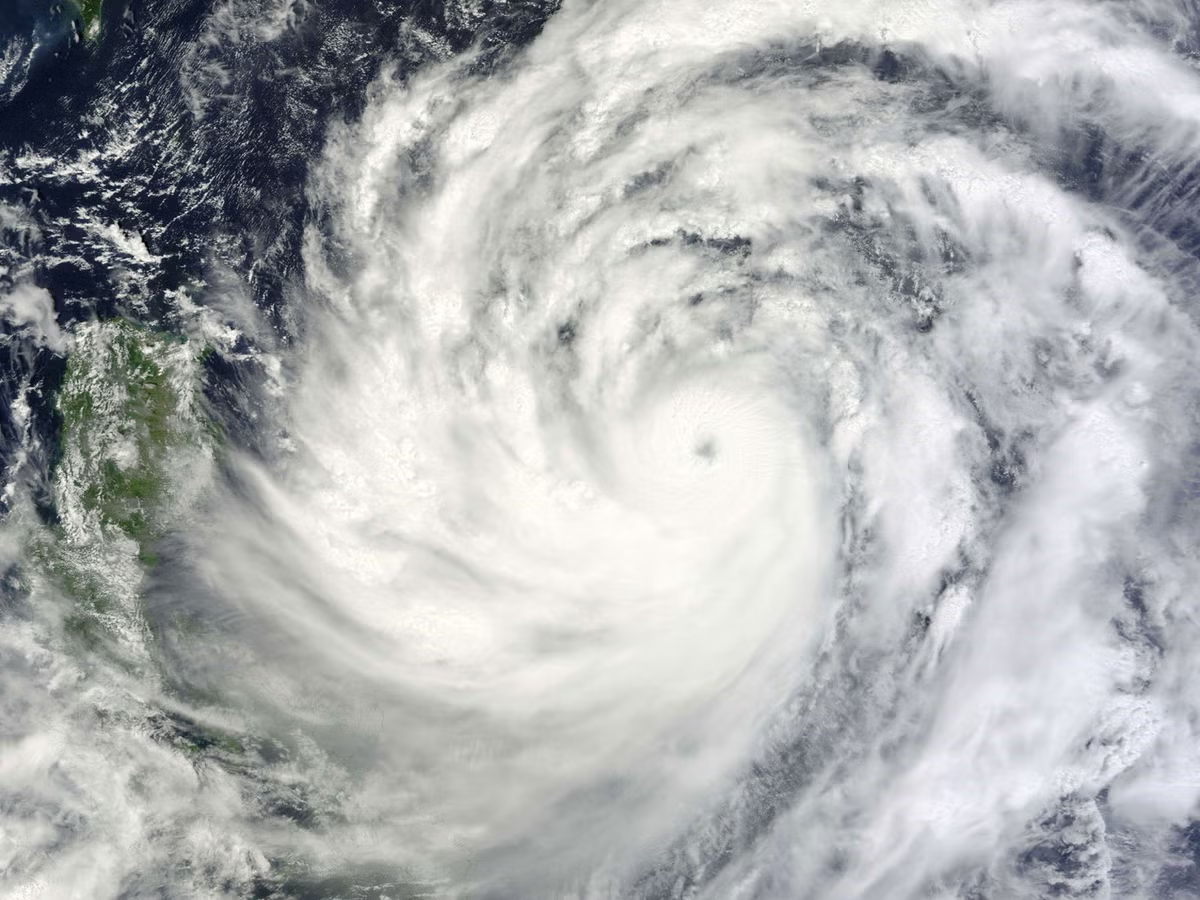
On Tuesday, Taiwan took extensive precautions ahead of the powerful Typhoon Krathon, mobilizing nearly 40,000 troops to support rescue efforts as the storm threatens to bring a significant storm surge along the island’s southwestern coast. The coast guard is also engaged in a search for 19 sailors who abandoned a sinking ship off Taiwan’s southeast coast.

Although Taiwan regularly experiences typhoons, Krathon is expected to make landfall on the more densely populated western plains, rather than the typical mountainous east coast. The typhoon is forecast to strike Kaohsiung, a major port city of 2.7 million people, on Wednesday afternoon before moving northeast across the island and heading out to the East China Sea. The U.S. Navy’s Joint Typhoon Warning Center has classified Krathon as a super typhoon.

Kaohsiung authorities have declared a public holiday, advising residents to stay indoors as the storm approaches with gusts exceeding 150 kph (93 mph). Taiwan’s Central Weather Administration (CWA) warns that heavy rains could cause severe flooding in coastal areas due to an anticipated storm surge and difficulty in discharging water.

Kaohsiung Mayor Chen Chi-mai compared the storm’s intensity to 1977’s Typhoon Thelma, which killed 37 people and devastated the city. The mayor urged residents to remain indoors and prepare for the worst-case scenario. “After the typhoon, the whole of Kaohsiung was without water and electricity, just like a war,” Chen said, recalling Thelma’s destruction.

As the city braces for the storm, fisherman Chen Ming-huang has been securing his boat in the harbor, fearing it could drift away if ropes snap under the storm’s pressure. Other residents are making preparations, such as practicing the rapid installation of metal barriers to prevent flooding in underground parking lots. “We will have only a few minutes to react if the flooding is coming,” said Chiu Yun-ping, a building committee member.

Taiwan’s defense ministry has placed over 38,000 troops on standby for rescue and recovery operations. Meanwhile, off the coast, the coast guard is racing to rescue 19 sailors from the cargo vessel Blue Lagoon, which was forced to abandon ship after water flooded its engine room. The crew, consisting of Ukrainians, Egyptians, and Russians, had set sail from China for Singapore.

The typhoon has also disrupted transportation across Taiwan, with domestic and international flights grounded, boats to outlying islands canceled, and some rail lines closed. In the city, most businesses have shuttered, and streets are largely deserted as residents hunker down for the storm.

Technology giant TSMC, which operates a large factory in nearby Tainan, has enacted its standard typhoon preparations and does not expect significant disruptions to its operations. However, residents near the Kaohsiung harbor are making their own emergency plans. “It’s a strong typhoon, and we are worried,” said local resident Chen Mei-ling, who has stocked up on torches and emergency food supplies.
Hurricane Helene Leaves Over 90 Dead, Widespread Destruction Across Southeastern U.S.

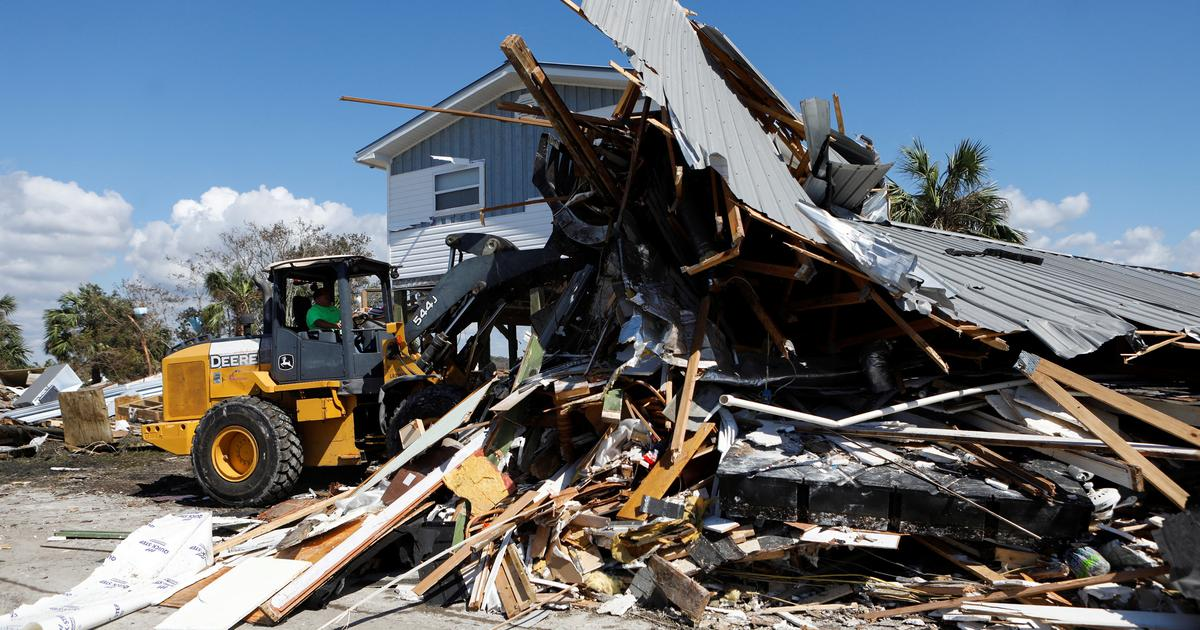
The Southeastern United States is facing a massive cleanup and recovery operation after Hurricane Helene ravaged the region, leaving at least 90 people dead and causing widespread damage. The storm, which brought powerful winds, torrential rain, and destructive storm surges, impacted states from Florida to Virginia, knocking out power for millions, washing away roads and bridges, and causing severe flooding.

As of Sunday, officials in North Carolina, South Carolina, Georgia, Florida, Tennessee, and Virginia confirmed 90 fatalities, with fears that more bodies could be discovered as search and rescue efforts continue. Buncombe County in North Carolina was hit particularly hard, with 30 confirmed deaths. County Manager Avril Pinder has requested emergency food and water, as parts of Asheville remain submerged. North Carolina Governor Roy Cooper described the event as a catastrophe of “historic proportions,” with many in western North Carolina claiming they’ve never experienced such destruction.

Across the region, around 2.7 million people were left without power, though that number had decreased by 40% from Friday’s peak. Major infrastructure damage has delayed recovery efforts, and in Flat Rock, North Carolina, residents queued for hours for gas amidst widespread blackouts.

In South Carolina, 25 deaths were reported, Georgia had 17, and Florida confirmed 11 fatalities. President Joe Biden plans to visit the devastated areas later in the week to offer federal recovery assistance after declaring major disasters in several states. He referred to the damage as “stunning,” pledging long-term support.

Hurricane Helene first made landfall on Florida’s Gulf Coast late Thursday, causing extensive damage. Coastal areas, including Horseshoe Beach, saw entire homes destroyed. Charlene Huggins, a resident of Horseshoe Beach, returned to the remains of her family’s home, which had housed five generations. “It just breaks your heart,” she said, holding a treasured family heirloom.

Further along the coast in Steinhatchee, an eight to 10-foot storm surge pushed mobile homes from their foundations, with some areas experiencing surges up to 15 feet. Residents of the small fishing community Spring Warrior Fish Camp were still waiting for emergency aid as they began to sift through the wreckage. David Hall, a local hotel owner, expressed the isolation many feel, saying, “No one thinks of us back here.”

In neighboring Keaton Beach, Kristin Macqueen helped friends salvage what they could after their home was destroyed. “It’s complete devastation,” she said. “Houses have just been ripped off their slabs.”

Republican presidential candidate Donald Trump plans to visit Valdosta, Georgia, to assess the damage and assist with relief efforts.

Hurricane Helene Slams Florida, Bringing Fears of Devastating Damage and Fatalities

Hurricane Helene made landfall late Thursday in Florida’s Big Bend region as one of the most powerful storms to hit the state in recent years. Packing sustained winds of 130 mph (209 kph), Helene, a Category 4 hurricane, has sparked widespread fears of catastrophic damage, fatalities, and extreme flooding, exceeding the levels seen in prior storms.

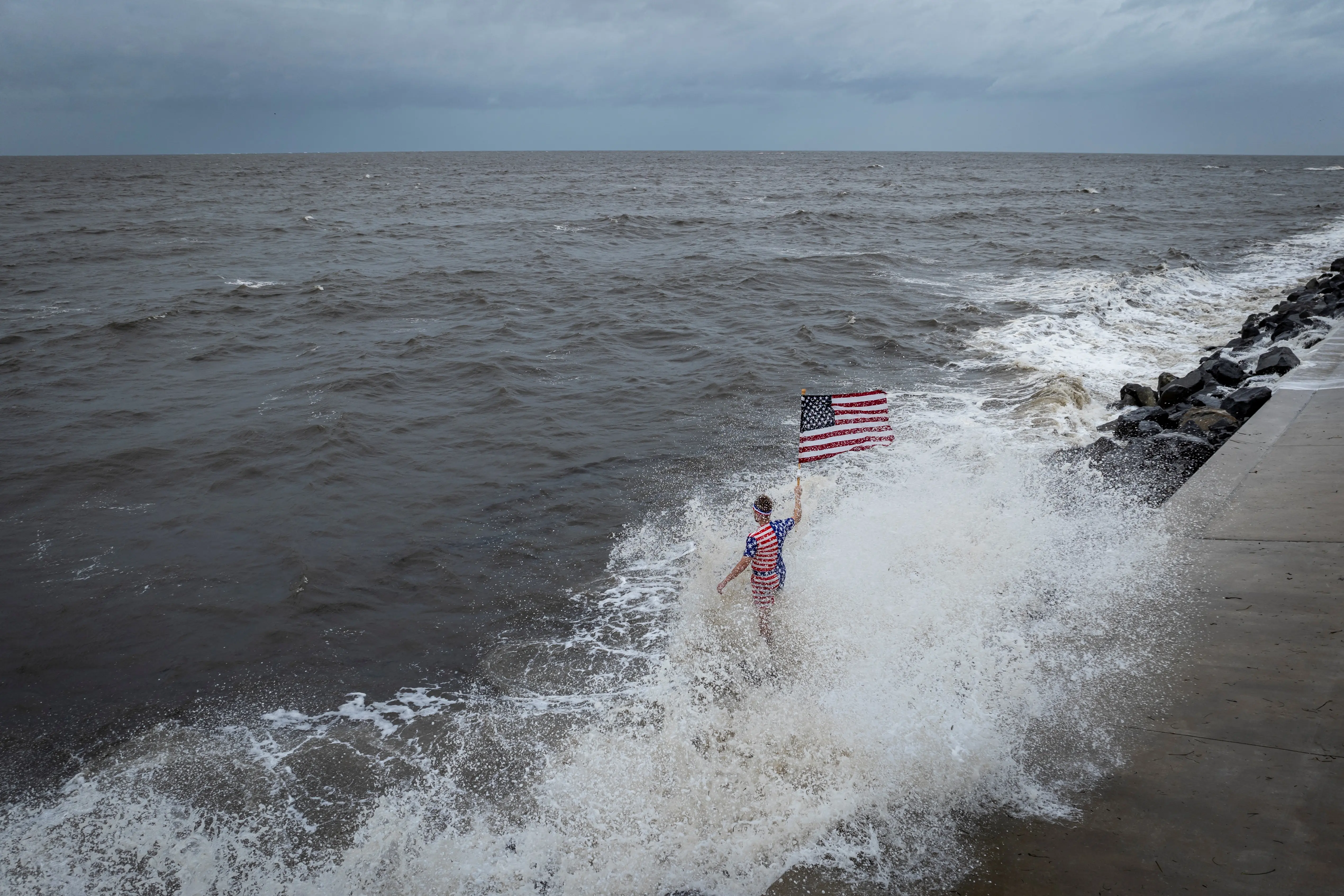
Even before making landfall, Helene wreaked havoc along Florida’s Gulf Coast, flooding large areas and leaving over 1 million people without power. State officials have issued urgent evacuation orders, warning that the storm’s surge—a dangerous wall of seawater driven inland by hurricane-force winds—could rise as high as 20 feet (6.1 meters), equivalent to the height of a two-story building. National Hurricane Center Director Michael Brennan described the situation as “unsurvivable” in some areas, with floodwaters potentially destroying homes and carrying vehicles.

The storm is already lashing Georgia, South Carolina, parts of North Carolina, and Tennessee with strong rain bands. In response, Atlanta, despite being hundreds of miles from Florida’s coast, has been placed under a tropical storm warning. The extreme rainfall is expected to exacerbate flooding across multiple states, while also threatening Georgia’s cotton and pecan crops, both of which are in the middle of their harvest season.

Florida Governor Ron DeSantis reported the first confirmed fatality on Thursday, though details were not immediately provided. Officials have drawn comparisons between Helene and last year’s Hurricane Idalia, which submerged 1,500 homes in low-lying areas. Already, water levels are rising in Pinellas County, where swamped roads and beachside flooding have been reported.

The storm has caused widespread disruption, with airports in Tampa, Tallahassee, and St. Petersburg suspending operations. As Helene moves inland, it is expected to remain a hurricane while passing through Macon, Georgia, and could bring over 12 inches (30.5 cm) of rain in its path, posing a severe threat to both rural and urban areas.

Despite mandatory evacuations, not all residents chose to leave. In Dunedin, Florida, just west of Tampa, 58-year-old Ken Wood, a ferry operator, decided to stay put with his 16-year-old cat, Andy. “We’re under orders, but I’m staying here. The storm looks like it’ll be a bit west of us, but who knows? It’ll be interesting, to say the least,” Wood said.

Taylor County authorities took more drastic measures, advising those who refused to evacuate to write their names and birth dates on their arms in permanent ink in case they needed to be identified posthumously. Meanwhile, reinsurance broker Gallagher Re estimates private insurance losses from Helene could total $3 to $6 billion, with additional losses to federal insurance programs potentially reaching $1 billion.

Energy production sites along the Gulf Coast have scaled back operations and evacuated staff to mitigate risk. Deanne Criswell, the Federal Emergency Management Agency (FEMA) director, announced that she would be traveling to Florida to assess the damage on Friday. According to the National Hurricane Center, Helene could dump as much as 15 inches (38.1 cm) of rain in some areas, raising the risk of flash floods and prolonged power outages due to downed trees and blocked roads.