
Yazılar

Shein’s First Permanent Stores in France Ignite Fierce Backlash from Retailers and Officials

Fast-fashion giant Shein is taking its first major step into physical retail in France, announcing plans to open permanent stores this November in collaboration with Société des Grands Magasins (SGM). The rollout includes a flagship location on the sixth floor of Paris’s BHV department store and additional stores in Galeries Lafayette branches across Dijon, Grenoble, Reims, Limoges, and Angers.

Until now, Shein’s presence in physical retail was limited to short-term pop-up stores designed for marketing. The partnership with SGM, however, signals a significant strategic shift—one that has immediately triggered political and industry backlash.

Galeries Lafayette, which licenses its name to SGM through a franchise agreement, said it opposes the decision and intends to block the openings, citing Shein’s “ultra fast fashion practices” as incompatible with its brand’s values. “This decision contradicts our commitment to quality, sustainability, and responsible commerce,” the group stated.

The criticism has extended beyond retail circles. Paris Mayor Anne Hidalgo denounced the plan as incompatible with the city’s sustainability goals, warning that it undermines efforts to promote local and eco-friendly businesses. “We are extremely concerned by BHV’s decision to host the first permanent Shein store in France,” she wrote on LinkedIn, calling for support of ‘sustainable local commerce.’

Industry leaders also reacted sharply. Yann Rivoallan, president of the Fédération Française du Prêt-à-Porter Féminin, accused Shein of “destroying dozens of French brands” and warned that the new megastore would “flood the market with disposable products.” The backlash comes as French lawmakers advance a draft bill to regulate fast fashion, potentially banning Shein from advertising in France.

Shein’s model—offering €12 dresses and €20 jeans shipped directly from Chinese factories—has upended the retail landscape by exploiting customs exemptions for low-value parcels. The company claims its online-only model keeps waste minimal, but the shift to physical stores could challenge that efficiency by forcing it to maintain inventory and absorb higher operating costs.

The expansion also coincides with regulatory shifts in major markets. The U.S. is phasing out Shein’s “de minimis” duty exemption, and the European Union is preparing similar reforms. Despite these headwinds, Executive Chairman Donald Tang insists Shein remains a favorite among rural and provincial shoppers, who often have fewer options for affordable fashion.

Whether these stores succeed—or spark a broader European backlash—will test Shein’s ability to translate its digital dominance into physical retail while navigating growing political, environmental, and cultural resistance.
Dubai to Launch WOOHOO, a Restaurant Featuring an AI Chef

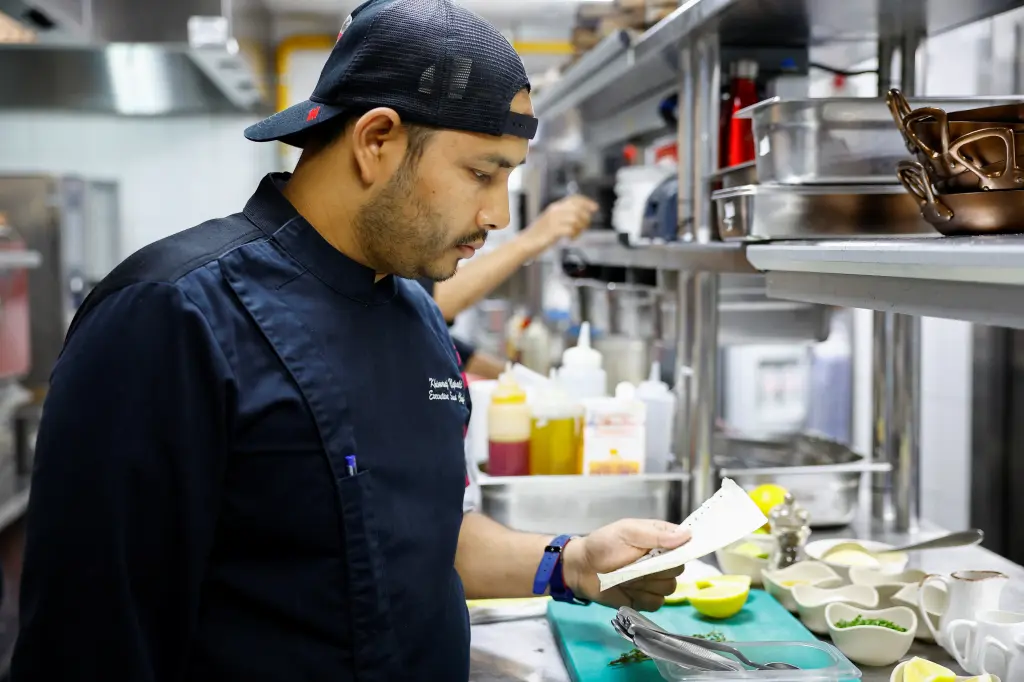
Dubai is set to introduce WOOHOO, a restaurant promising a futuristic dining experience, opening in September near the iconic Burj Khalifa. While human cooks will prepare the dishes for now, the restaurant’s menu, ambiance, and service will be orchestrated by “Chef Aiman,” an AI culinary model.

Chef Aiman—named by combining “AI” and “man”—has been trained on decades of food science, molecular data, and over a thousand recipes from global cuisines, explained Ahmet Oytun Cakir, one of WOOHOO’s founders. Although Aiman cannot taste or smell dishes like a traditional chef, it analyzes key culinary elements such as texture, acidity, and umami to create innovative flavor and ingredient combinations.

Human chefs, led by acclaimed Dubai-based chef Reif Othman, then refine these AI-generated recipes by tasting and providing feedback. This collaboration helps improve Aiman’s understanding beyond data alone. Aiman stated in an interview that its role is to complement, not replace, human creativity in cooking.

The AI is also programmed to develop recipes that make use of ingredients often discarded in kitchens, like meat trimmings and fats, aiming to reduce food waste. The founders hope that in the future, Aiman’s technology could be licensed worldwide to help restaurants boost sustainability and creativity.

Amazon Unveils AI Upgrades to Delivery, Logistics, and Warehouse Operations

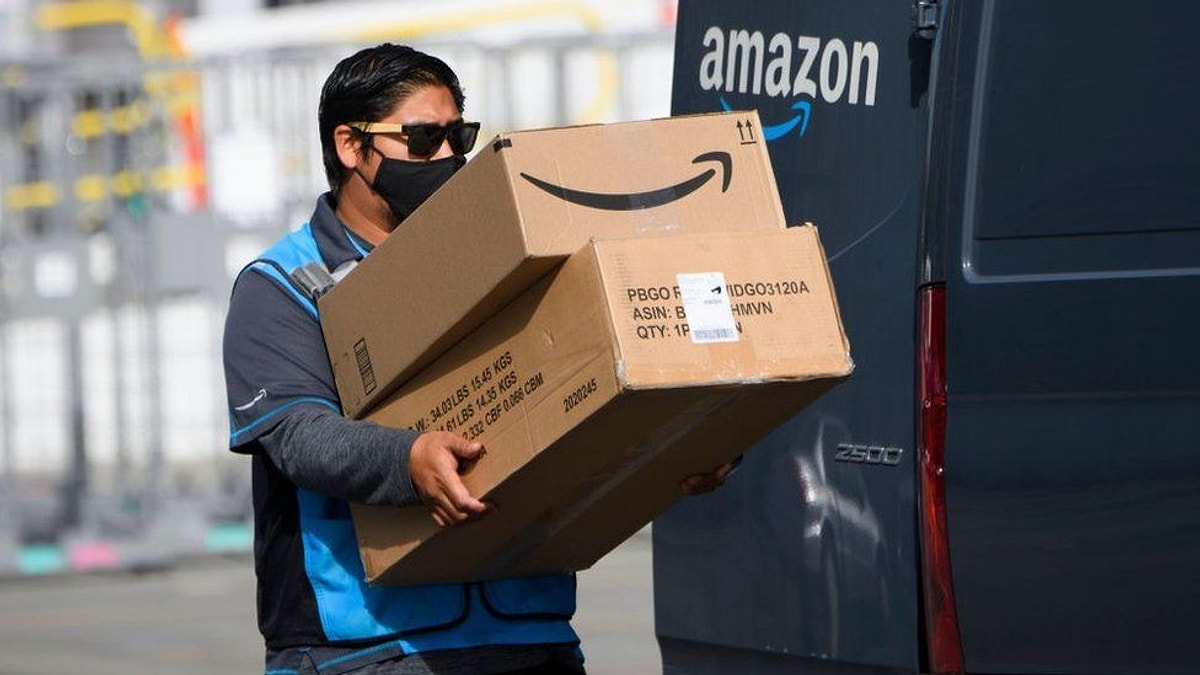
Amazon announced a series of new artificial intelligence initiatives aimed at enhancing its delivery, logistics, and warehouse operations, showcasing how the technology could significantly speed up package delivery and improve efficiency across its sprawling supply chain.

At the center of these developments is Amazon’s creation of a new group within its Lab126 device unit, tasked with developing warehouse robots powered by “agentic AI.” Unlike today’s robots that perform single, repetitive tasks, these AI-powered machines will be capable of multitasking — such as unloading trailers, retrieving parts, and making decisions based on natural language prompts. This flexibility is expected to be particularly beneficial during peak demand periods like the holiday season.

“For our customers, it’s, of course, faster delivery,” said Yesh Dattatreya, a robotics scientist leading the initiative. The robots will also contribute to minimizing waste and reducing carbon emissions, Amazon said, aligning with its broader sustainability goals.

Agentic AI — which allows systems to autonomously make and execute decisions — has become one of the most promising investment areas in AI development. Amazon’s version aims to transform warehouse robots into multi-functional assistants capable of responding to human commands in natural language.

Smarter Mapping for Delivery Drivers

Beyond warehouses, Amazon is using generative AI to improve mapping for delivery drivers. The new software provides highly detailed information about building layouts, obstacles, and navigation routes, particularly aiding deliveries to complex locations like large office parks or apartment complexes.

“This innovation is making it easier for Amazon drivers to find the right delivery spot, especially in tricky places,” Amazon stated.

The company also confirmed, for the first time publicly, that it is exploring AI-powered eyeglasses for its delivery drivers. These smart glasses would feature embedded screens to provide turn-by-turn directions, freeing drivers’ hands while navigating and delivering packages. Although still in development, the glasses could eventually integrate the advanced mapping technology already in use.

According to Viraj Chatterjee, vice president of Amazon’s Geospatial unit, U.S. drivers are already using the AI-generated maps daily, though they are not mandated to do so. This approach may help Amazon avoid legal challenges related to excessive control over gig economy workers.

AI Enhances Inventory Forecasting and Same-Day Delivery

In addition to physical logistics, Amazon is applying AI to better predict customer demand and optimize same-day delivery operations. The new forecasting software considers multiple variables—including price, convenience, weather, and special events like Prime Day—to ensure that popular products are pre-positioned in fulfillment centers closer to where they are most likely to be ordered.

“It allows us to sell a different set of books in Boston than we would in Boise, and cater to different tastes really, really efficiently across the communities that we serve,” said Nathan Smith, director of demand forecasting for Amazon’s supply chain optimization technologies unit.

With these AI upgrades, Amazon aims to maintain its competitive edge in e-commerce by delivering packages faster, improving the delivery experience for drivers, and further automating warehouse operations.