Yazılar

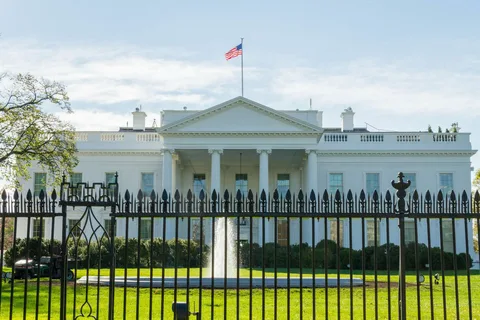
Why Pennsylvania Could Hold the Keys to the White House

Pennsylvania’s importance in the U.S. presidential election has never been more crucial. With its 19 electoral votes, it stands as a pivotal battleground state that could very well determine the next occupant of the White House. According to political analyst Nate Silver, the candidate who wins Pennsylvania has a 90% chance of winning the presidency. This has led both the Kamala Harris and Donald Trump campaigns to focus heavily on securing a win in this state, as it could tip the balance in the race for the highest office in the U.S.

Pennsylvania is often referred to as the “Keystone State,” not just because of its geographical location but also for its symbolic importance in elections. If Harris manages to win Pennsylvania alongside Michigan, Wisconsin, and one congressional district in Nebraska, she is likely to secure the presidency. On the other hand, if Trump flips Pennsylvania along with North Carolina and Georgia, he could find his way back to the White House.

A Swing State That Mirrors America

What makes Pennsylvania so critical is that it serves as a microcosm of the broader United States. With a diverse economy that includes agriculture, energy, and new industries, as well as a population that is predominantly white but growing in diversity, it reflects the national landscape. Urban areas like Philadelphia and Pittsburgh lean heavily Democratic, while vast rural regions are strongholds for Republicans. The once-reliably conservative suburbs are now trending left, creating a political environment where the balance is constantly shifting.

In recent elections, Pennsylvania has remained fiercely competitive. Joe Biden won the state by just 80,000 votes in 2020, while Trump took it by about 40,000 in 2016. Only once in the last 40 years has a candidate won the state by double digits—Barack Obama in 2008. This ongoing electoral tightrope walk makes Pennsylvania a top priority for both campaigns.

Campaign Strategies for the Keystone State

Both Harris and Trump have been dedicating significant resources to Pennsylvania, spending more on advertising there than in any other swing state. Harris introduced her running mate, Tim Walz, at a rally in Philadelphia, and has spent considerable time campaigning in Pittsburgh, a key city in her electoral strategy. Trump, meanwhile, has held large rallies in Butler and Scranton, targeting areas where he enjoys significant support.

For Harris, the key to victory lies in dominating the urban vote in Philadelphia and Pittsburgh and winning the suburbs by enough to counter Trump’s dominance in rural areas. A big part of her strategy is appealing to moderate Republicans, especially the 160,000 voters who supported Nikki Haley in the state’s Republican primary, held after Trump had already secured the nomination. To this end, Harris is positioning herself as a centrist candidate, seeking to dispel any notions of radical leftism. Craig Snyder, a former Republican staffer, leads the “Haley Voters for Harris” initiative, which aims to win over moderate Republican voters.

Trump’s strategy revolves around maximizing turnout in the rural and conservative parts of Pennsylvania. His campaign has focused on registering new voters and mobilizing those who haven’t participated in past elections. Although Democrats still outnumber Republicans in the state, the margin has narrowed to just a few hundred thousand, the smallest gap since 1998. The Trump campaign also aims to peel away support from traditional Democratic voters, particularly among blue-collar union workers and young Black men, who have shown growing support for Trump in national polls.

The High Stakes of Pennsylvania

Both campaigns understand that winning Pennsylvania is critical. Trump’s team is banking on their grassroots efforts to turn out rural and suburban conservatives, while Harris is hoping to maintain strong support in urban areas and sway moderate Republicans. With the race in the state nearly deadlocked, the outcome in Pennsylvania could ultimately determine who will be sworn in as president in January.
 

5 Things to Watch for at the Vice Presidential Debate

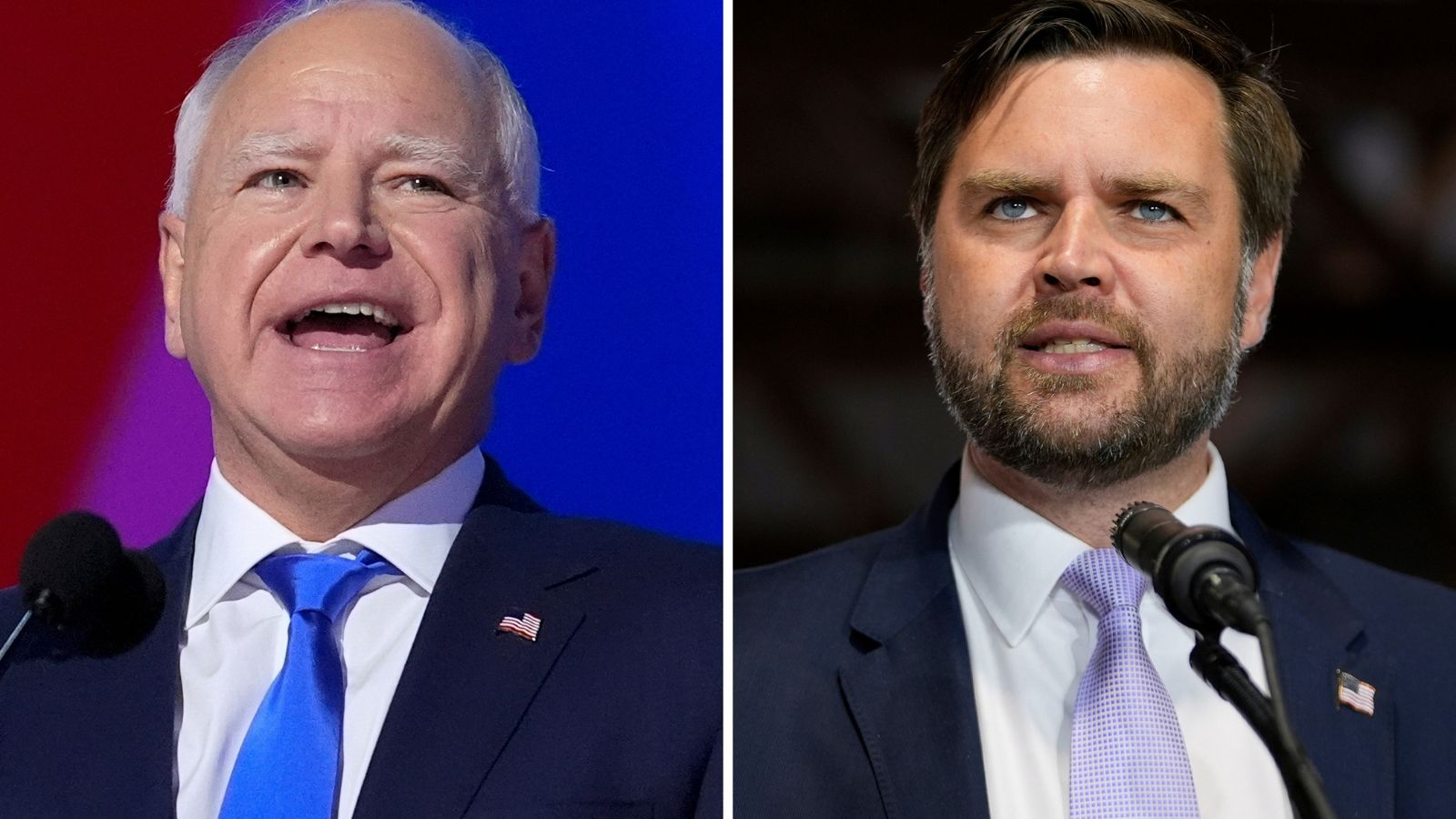
The highly anticipated vice presidential debate between Democrat Tim Walz and Republican JD Vance is set to take place Tuesday night. As the only debate between the vice presidential candidates for the 2024 election, this face-off could be the last time the two campaigns clash onstage. Hosted by CBS News in New York without a live audience, the debate is expected to be intense as both candidates look to reinforce their ticket’s message. Here are five key things to watch for:

1. The Coach vs. The Ex-Pundit Walz and Vance both come from Middle America and have well-crafted political personas. Walz, the 60-year-old Minnesota governor, brings his background as a high school teacher and assistant football coach to the debate stage, emphasizing his grassroots appeal. Vance, a 40-year-old Ohio senator, is a Marine veteran and author of a best-selling memoir about Appalachian family values. He’s likely to highlight his journey from Trump critic to supporter. Both will attempt to connect with voters in swing states by showcasing their authenticity and Middle America roots.

2. Abortion and Family Issues Expect abortion rights to be a key issue during the debate. Walz, representing the Democratic stance, has framed the debate around personal freedom and reproductive rights. Vance, who has taken a more conservative stance on abortion, has portrayed Walz as extreme on the issue, particularly attacking Walz’s signing of a law in Minnesota that allows late-term abortions. This will likely be a heated point of contention as both candidates try to appeal to women and young voters.

3. Which Version of Walz Will Show Up? Walz rose to national attention with sharp criticisms of Trump and his allies, branding them as “weird” in TV interviews. However, since being selected as Kamala Harris’ running mate, he has been relatively quiet. Whether he takes a more aggressive or restrained approach in the debate will be crucial in determining his effectiveness. Will he channel the energy that brought him to the ticket, or will he play it safe in front of a national audience?

4. Walz’s Military Record Under Scrutiny Vance has previously attacked Walz’s military service, accusing him of overstating his record and trying to avoid combat during his time in the Minnesota National Guard. Walz has admitted to misspeaking but insists he never falsely claimed to have been in combat. Vance is expected to continue pressing this issue, potentially forcing Walz to defend his record onstage.

5. Vance and the Springfield, Ohio Controversy Vance and Trump have faced criticism for making unsubstantiated claims about immigrants in Springfield, Ohio, accusing Haitian migrants of abducting pets. While these claims have been debunked, Vance has doubled down on the rhetoric, framing it as a broader critique of the Biden administration’s immigration policies. Expect Walz to bring up Vance’s controversial statements in an attempt to discredit him, while Vance will likely use it to keep immigration front and center in the debate.


Kamala Harris Widens Lead Over Trump in Latest Poll as Voter Enthusiasm Rises

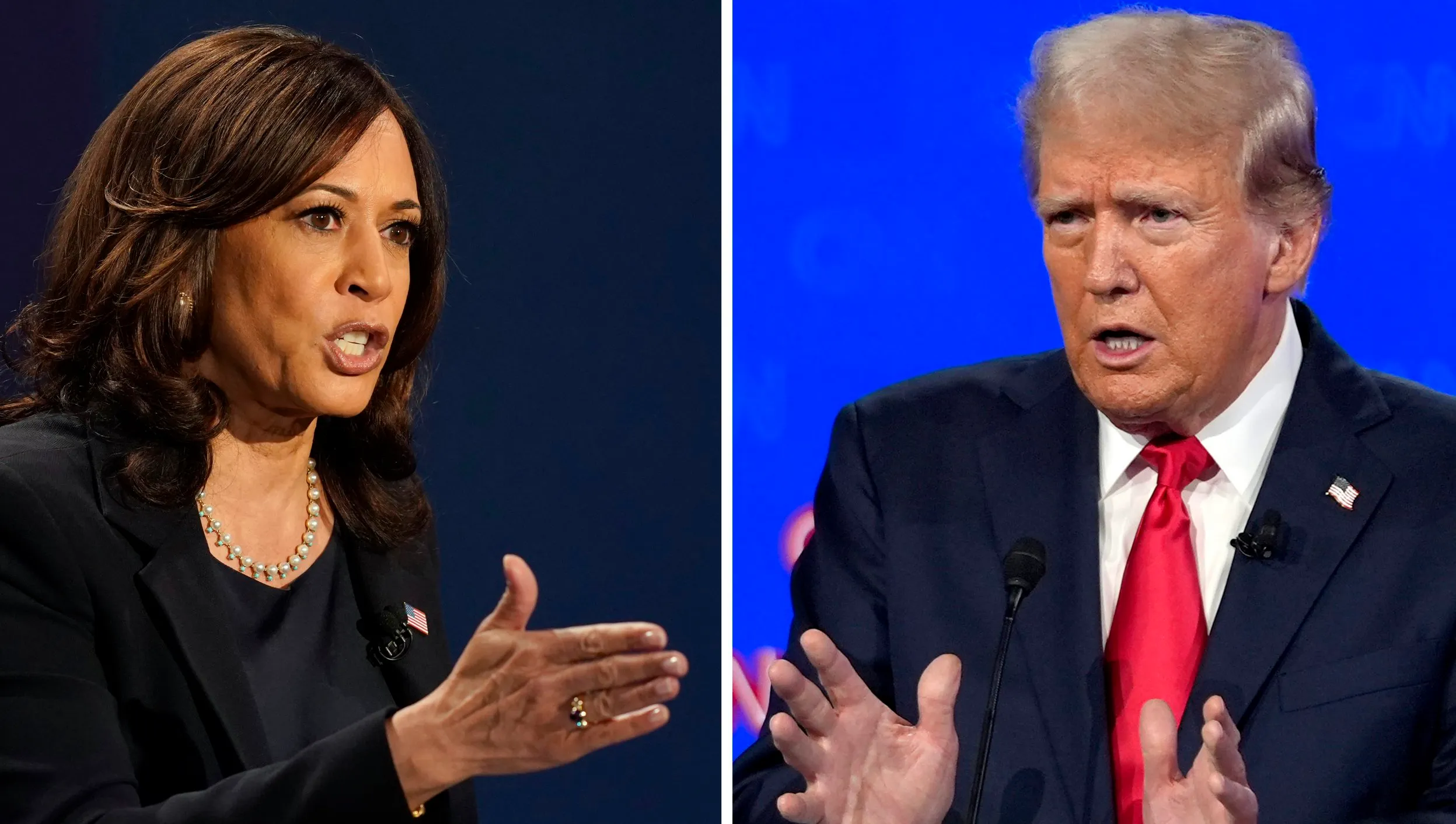
In a significant development ahead of the 2024 U.S. presidential election, a Reuters/Ipsos poll shows that Democratic Vice President Kamala Harris has widened her lead over former President Donald Trump. Harris now leads Trump 45% to 41% among registered voters, an increase from the narrow 1-point lead she held in late July. The poll, conducted over eight days ending Wednesday, reflects growing voter enthusiasm for Harris, particularly among women and Hispanic voters, where she now leads Trump by a substantial 13 percentage points.

The shift in polling comes after President Joe Biden withdrew from the race following a challenging debate performance against Trump in July, leading to growing support for Harris. While Trump continues to hold strong leads among white voters and men, his advantage among voters without a college degree has notably shrunk.

Despite Harris’ national lead, the race remains competitive in critical swing states. Trump leads Harris 45% to 43% in seven key states that decided the 2020 election. However, Harris’ rise in national polls and increased enthusiasm from Democratic voters—73% of whom are now more excited about voting in November—suggest a potential shift in the electoral landscape.

While Harris enjoys strong support on issues such as abortion policy, Trump remains favored on economic management. With the election still months away, both candidates face challenges as they navigate shifting voter dynamics in a closely watched race.