Yazılar

Legal Hurdles Loom Over U.S. Push for Google Chrome Sale

Key Highlights

Antitrust Proposals and Challenges

The U.S. Department of Justice (DOJ) has proposed significant measures to curb Google’s market dominance, including:

  1. Forcing the sale of Google Chrome.
  2. Requiring Google to share search data and results with competitors.
  3. Potentially divesting Android software.

These steps follow an August ruling that found Google guilty of illegally monopolizing the search market. However, legal experts and industry analysts anticipate substantial hurdles due to the sweeping nature of the remedies and the likely legal battles that could stretch for years.

Legal Precedents and Potential Roadblocks

  • Historical Context: The DOJ previously sought to break up Microsoft over browser market monopolization in the early 2000s. That ruling was overturned on appeal, leading to a settlement instead of a breakup.
  • Proportionality Concerns: Critics argue the remedies may overreach and lack a direct causal link to the antitrust violations. Divesting Chrome, for instance, might not address Google’s search monopoly, as Chrome can run non-Google search engines.
  • Trump’s Stance: President-elect Trump’s administration may adopt a pro-business approach, potentially tempering aggressive antitrust actions to avoid weakening U.S. tech competitiveness, particularly against China.

Implications for Google

Chrome’s Strategic Value

Chrome, which commands about two-thirds of the global browser market, serves as a critical component of Google’s ad and search businesses by providing valuable user data. As a standalone entity, its value would significantly diminish.

Financial Impact

Google’s search ads, which rely on data gathered through Chrome, account for more than half of Alphabet’s quarterly revenue, which recently stood at $88.3 billion. A forced sale would disrupt this synergy and reduce overall profitability.

Criticism from Google

Google has labeled the DOJ’s proposals as unprecedented overreach, citing potential harms such as:

  • Reduced user privacy.
  • Financial challenges for smaller developers and businesses, like Mozilla, which benefits from featuring Google Search.

Wider Industry Concerns

Impact on Competitors and Partners

  • Search Licensing: Proposals for Google to license its search results at nominal costs could provide smaller competitors and news publishers with audience insights.
  • Apple Partnership: The DOJ seeks to ban Google from offering financial incentives, such as the billions paid annually to Apple to remain the default search engine. Analysts argue Apple may still choose Google as the default due to its widespread popularity.

Market Reactions

Alphabet’s stock dropped nearly 5% following the DOJ’s proposals, reflecting investor concerns about prolonged legal battles and regulatory uncertainty.


Expert Opinions

  • Kevin Walkush, Jensen Investment Management: Views the proposed Chrome divestiture as an “over-ask,” with little probability of materializing.
  • Gus Hurwitz, University of Pennsylvania Carey Law School: Argues that divesting Chrome does not directly address Google’s search monopoly, raising doubts about its legal validity.
  • Megan Gray, Former General Counsel at DuckDuckGo: Suggests Chrome’s value is intertwined with Google’s ad and search businesses, making its forced sale ineffective in resolving antitrust concerns.

Outlook and Challenges

Legal and Administrative Delays

The lengthy appeals process and potential changes in political priorities under the incoming administration could delay or dilute the enforcement of antitrust measures.

Impacts on the Tech Industry

While the proposed measures aim to reshape the digital landscape, their feasibility and effectiveness remain in question. Prolonged legal battles could create uncertainty for Google, its competitors, and the broader tech sector.
Australia Proposes Social Media Ban for Under-16s in Groundbreaking Move to Protect Kids Online

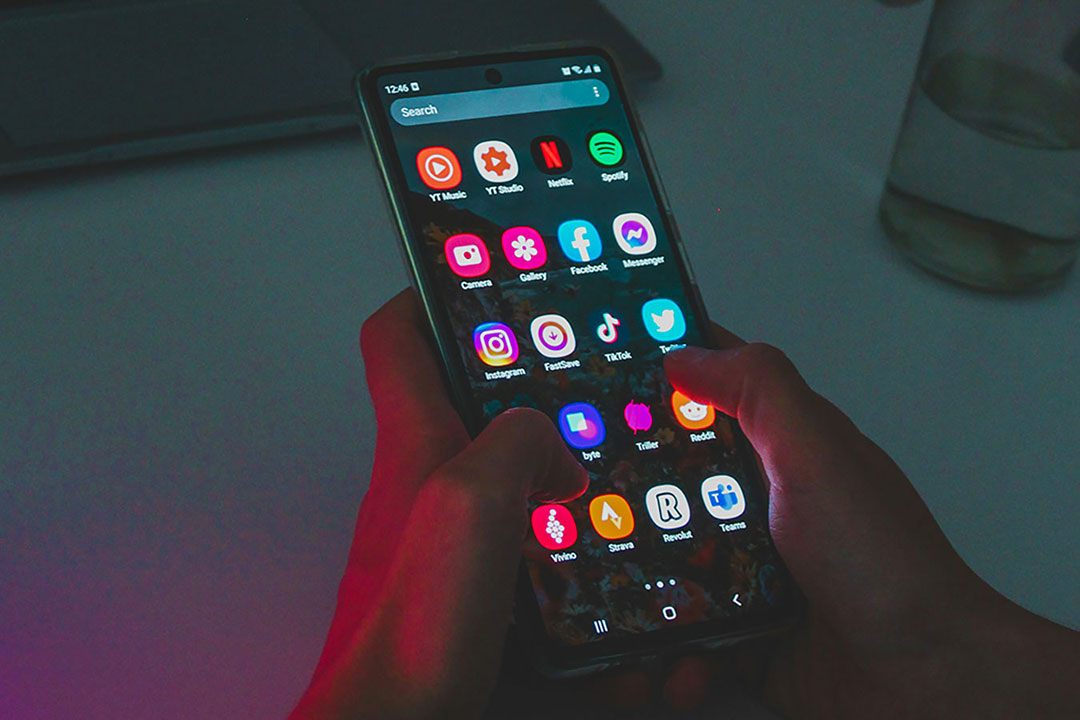
Australia’s government has announced a groundbreaking proposal to ban children under the age of 16 from accessing social media, a move many experts and parents have called “momentous.” Prime Minister Anthony Albanese revealed that this legislation would be introduced into parliament later this year, with plans to enforce the law a year after its approval. The ban will require age verification to block under-16s from using platforms like Instagram, Facebook, TikTok, and X (formerly Twitter).

For years, Australian parents have advocated for more regulation on tech companies, and now, organizations like the Heads Up Alliance, which campaigns against early smartphone use, see this proposal as a victory. Co-founder Dany Elachi stated that while his organization was initially dismissed as “extreme,” this recognition confirms the impact of social media on children. “We refused to give up on our children, and here we are, on the verge of reclaiming childhood after it had been stolen for 15 years,” he expressed.

The proposal places the onus entirely on social media companies to prevent underage access, sparing children and parents from facing penalties. NYU research scientist Zach Rausch praised the initiative as a commonsense approach, likening social media age limits to existing restrictions on driving, smoking, and alcohol use. He sees it as a measure that could position Australia as a global leader in safeguarding children online.

While some parents currently try to limit their children’s social media exposure, organizations like the U.K.-based Smartphone Free Childhood emphasize that the absence of regulation makes this challenging. Daisy Greenwell, co-founder of the group, highlighted the struggles parents face, often without the time or knowledge to navigate complex parental controls. Without regulatory support, peer pressure remains strong, leaving parents feeling unable to tackle the issue alone. Greenwell and others believe that the real responsibility lies with tech companies that design addictive platforms.

Not all reactions have been supportive. DIGI (Digital Industry Group Inc.), an Australian advocacy group for the tech sector, warns that the ban could harm young people’s digital literacy. Sunita Bose, managing director of DIGI, suggested that a total ban is a “20th-century response to 21st-century challenges,” arguing that a balanced approach would help create age-appropriate digital spaces and build valuable online skills.

Bose also expressed concerns that young people might circumvent the ban, leading them to riskier parts of the internet. Using the analogy of teaching kids to “swim between the flags,” she argued that it is safer to guide them in controlled environments rather than banning access altogether.

However, experts like Rausch counter that children can still develop digital skills using platforms that don’t rely on social media’s addictive algorithms, such as Zoom and FaceTime. Greenwell agreed, noting that social media’s user-friendly design means teenagers would quickly adapt once allowed access. In her view, delaying social media use until children are older and more mature allows for healthier development. “We don’t get kids to practice having sex or drinking alcohol before they’re of age,” she pointed out, suggesting that social media could similarly wait until children are 16.

As the world watches, Australia’s proposed law could mark a major shift in how societies globally approach tech use and digital safety for children.


Brazil Orders Suspension of Elon Musk’s X Platform Amid Legal Feud

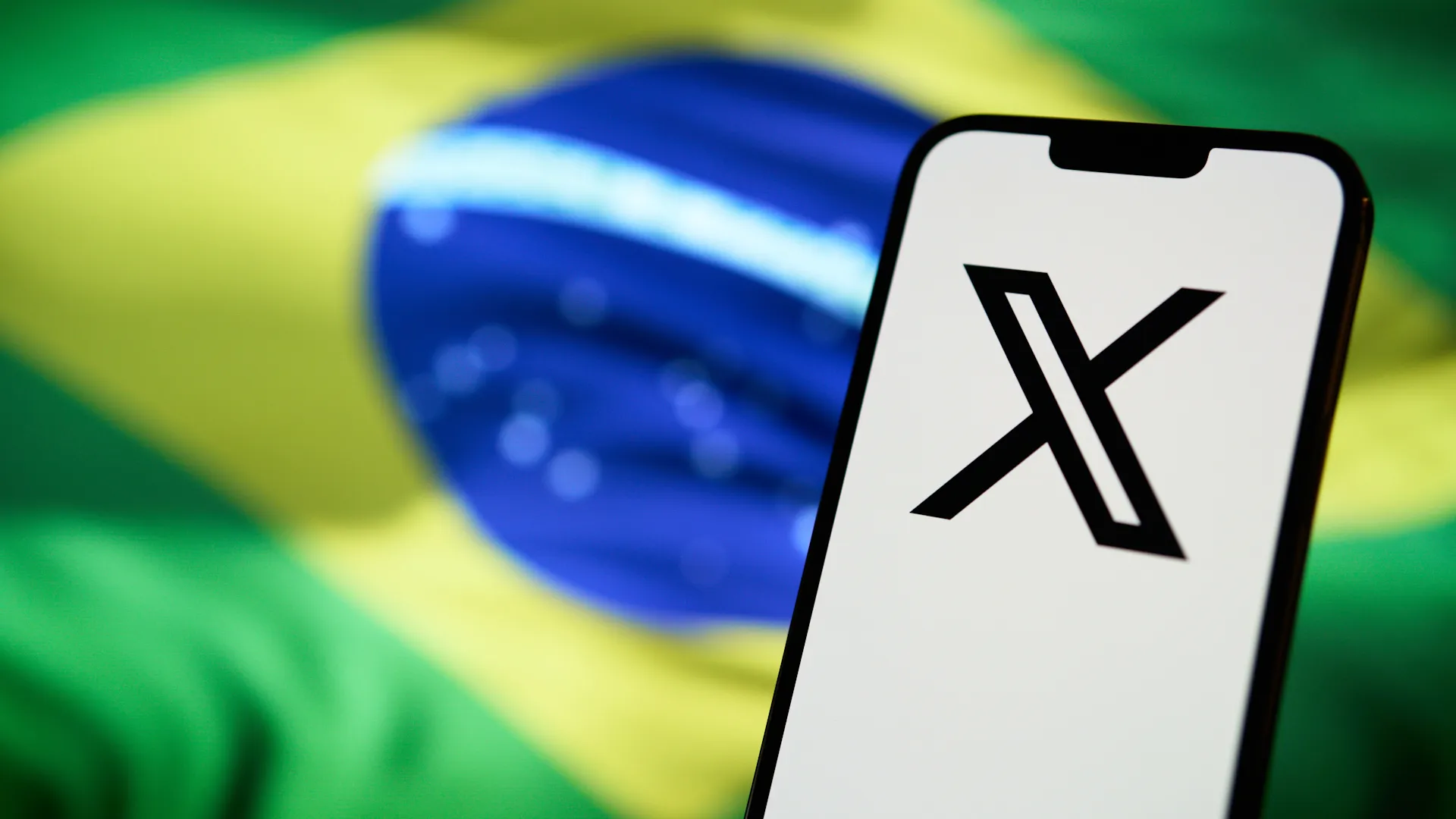
Brazil’s telecommunications regulator announced on Friday that it is moving to suspend access to Elon Musk’s X platform, formerly known as Twitter, following a court order from Supreme Court Justice Alexandre de Moraes. This suspension was triggered after X missed a deadline to appoint a legal representative in Brazil, as required by law.

Musk has fiercely opposed the court’s ruling, accusing Justice Moraes of attempting to enforce unjustified censorship. Moraes, however, has maintained that regulation is necessary to curb hate speech on social media platforms. The judge’s decision is the latest development in a prolonged dispute with Musk, which has now escalated to the point of a potential shutdown of X in one of its largest markets.

Despite the court order, X remained accessible in Brazil late on Friday. Some users, however, reported that their access had already been blocked by local telecommunications carriers, which planned to fully enforce the suspension by midnight.

In addition to the suspension, the court also froze the bank accounts of Musk’s satellite internet provider, Starlink, in Brazil. The judge has ordered X to pay more than $3 million in fines and to comply with other legal mandates before service can be restored in the country. Telecommunications regulator Anatel has been tasked with implementing the suspension, which will require telecommunication companies to block X’s traffic and prevent users from bypassing the ban using virtual private networks (VPNs). Moraes warned that those who continued to access X via VPNs could face daily fines of up to 50,000 reais (around $9,000).

Picture background

While Apple and Google were initially ordered to remove X from their app stores and implement anti-VPN measures, Justice Moraes later reversed this part of the order. Both companies declined to comment.

Brazil’s Supreme Court judges wield considerable power to make unilateral decisions, and in this case, Moraes’ stance has been supported by a majority of the 11-member court. The roots of the conflict trace back to a previous Moraes order demanding X block accounts accused of spreading misinformation and hate speech, which Musk criticized as censorship. Although Musk closed X’s offices in Brazil in response, he has continued to make the platform available to users in the country.

Musk, who also owns 40% of SpaceX and leads electric vehicle giant Tesla, derided Brazil’s President Luiz Inacio Lula da Silva as Moraes’ “lapdog,” further heightening tensions. President Lula responded firmly, stating that all companies, regardless of their wealth or influence, must comply with Brazilian law.

The situation remains tense as Brazil pushes for compliance from Musk’s ventures, with no signs of backing down from the court or government.