Yazılar

OpenAI Non-Profit Plans $1B AI Investment Push

OpenAI is restructuring its non-profit arm with new leadership appointments and plans to invest around $1 billion in AI-related initiatives this year, according to a report.

The spending is expected to focus on advancing artificial intelligence development and supporting projects aligned with the organization’s broader mission. The move signals a renewed emphasis on the non-profit side of OpenAI, which has played a central role in shaping its long-term direction.

The leadership changes are aimed at strengthening oversight and execution within the unit as the company expands its influence across both commercial and public-interest AI efforts.

The planned investment highlights the growing scale of funding required in the AI sector, where competition and infrastructure demands continue to intensify. It also reflects OpenAI’s effort to balance commercial growth with its original mission-driven objectives.

China Brain Chip Firm Says It Trails Neuralink by 3 Years

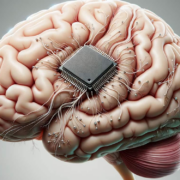
Chinese brain-computer interface company NeuCyber Neurotech said its most advanced brain chip technology is still about three years behind Elon Musk’s Neuralink, highlighting the gap as China accelerates development in the sector.

The company said its latest invasive product, Beinao-2, is still in the animal testing stage, while Neuralink already has more than 20 human trial participants. NeuCyber’s executives said the next steps include early clinical studies and then larger human trials before the technology can move closer to commercial use.

China recently approved its first invasive brain-computer interface device for commercial use, showing how quickly the country is trying to expand in the field. Beijing has also elevated brain-computer interfaces to a priority strategic industry alongside quantum technology and embodied AI.

NeuCyber has already implanted its earlier Beinao-1 system in several patients, including individuals with severe paralysis, and said some users showed improvement in hand movement and computer control. The company aims to broaden trials further this year as it works toward regulatory approval.

The update reflects China’s wider effort to narrow the gap with leading global brain chip developers while building a domestic market for advanced neurotechnology.

Accenture Forecast Miss Signals Weak IT Spending

Accenture forecast third-quarter revenue below Wall Street expectations, reflecting continued caution among clients on large-scale IT spending.

The company expects revenue between $18.35 billion and $19.00 billion, with the midpoint slightly under analyst estimates. The outlook highlights ongoing hesitation among businesses to commit to major transformation projects amid economic uncertainty.

Enterprises are increasingly delaying or scaling back large IT investments, prioritizing cost control over expansion. This trend is affecting consulting and technology service providers that rely on long-term digital transformation contracts.

The forecast underscores broader weakness in corporate tech spending despite ongoing interest in emerging areas such as artificial intelligence.