Yazılar

Texas Sues Allstate for Collecting Driver Data Without Consent

The state of Texas has filed a lawsuit against Allstate, accusing the insurer of illegally tracking drivers through their cell phones without their consent. Texas Attorney General Ken Paxton claims that Allstate created “the world’s largest driving behavior database” by paying mobile app developers millions of dollars to secretly incorporate tracking software into apps. The lawsuit, filed in a Texas state court near Houston, alleges that Allstate used the data to justify raising car insurance premiums, denying coverage, and selling the data to other insurers.

The tracking software, developed by Allstate’s data analytics unit Arity, was integrated into widely used apps such as Fuel Rewards, GasBuddy, Life360, and the Allstate-owned Routely starting in 2015. The complaint further asserts that Allstate has also purchased location data directly from vehicle manufacturers, including Toyota, Lexus, Mazda, and Stellantis, to track the movements of policyholders more accurately.

The lawsuit alleges that Allstate’s actions violated Texas laws on data privacy, data brokers, and unfair and deceptive practices by insurers. Texas is seeking restitution, civil fines up to $10,000 per violation, and the destruction of illegally collected data. The state also contends that Allstate profited from this practice by increasing premiums and denying coverage based on the collected data.

This lawsuit follows a similar case filed last August against General Motors, accusing the company of collecting driver data from over 14 million vehicles and selling it to insurers and other businesses without drivers’ consent.
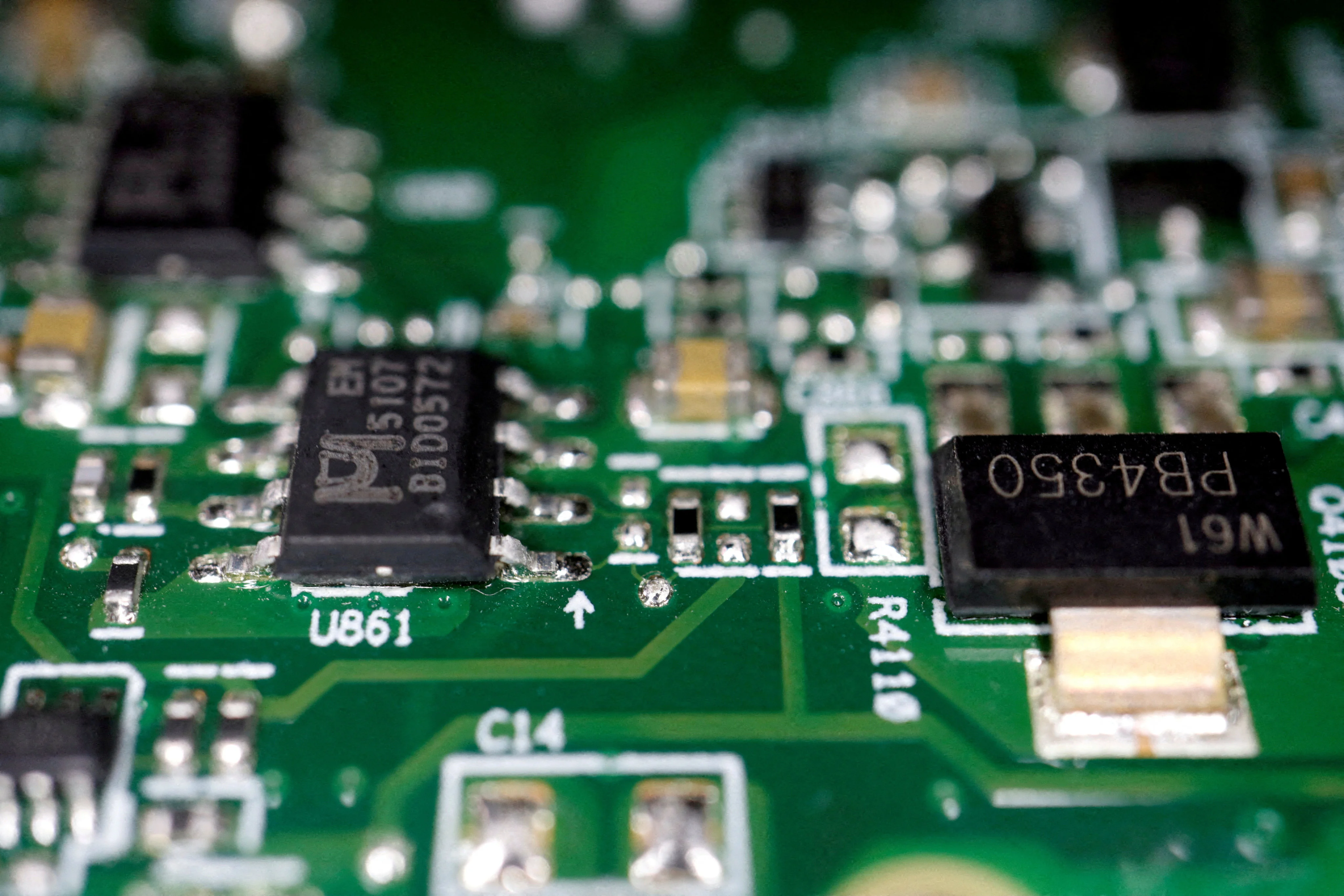
 

U.S. Finalizes $406 Million Chips Subsidy for Taiwan’s GlobalWafers

The U.S. Commerce Department announced on Tuesday that it has finalized a $406 million government grant to Taiwan’s GlobalWafers to boost silicon wafer production in the United States. This investment is part of the U.S. government’s broader efforts to strengthen the domestic semiconductor supply chain.

Expansion of U.S. Production

The grant will fund projects in Texas and Missouri, aimed at establishing the first high-volume U.S. production of 300-mm silicon wafers, a critical component for advanced semiconductors. Additionally, the funds will support the expansion of silicon-on-insulator wafers production. These wafers are essential for the manufacture of cutting-edge chips, aligning with the Biden administration’s initiative to enhance the U.S. semiconductor industry.

GlobalWafers plans to invest nearly $4 billion to build new wafer manufacturing facilities in both states. This expansion is expected to create 1,700 construction jobs and 880 manufacturing jobs. The company’s move comes at a time when the U.S. is looking to reduce its dependence on foreign-made chips and strengthen its domestic production capabilities.

Strategic Localization Amid Global Supply Chain Challenges

CEO Doris Hsu of GlobalWafers expressed the strategic importance of localizing production, especially given the current global semiconductor supply chain challenges. She highlighted that local supply in high-demand regions, like the U.S., will be prioritized, as it is more likely to be supported by local customers.

Hsu also acknowledged the potential uncertainties regarding the U.S. CHIPS Act with the incoming Trump administration, which will take office next month. However, she expressed confidence in the continuation of the initiative, noting that the CHIPS Act had its origins during Trump’s first term. While the company is legally protected by contracts, Hsu pointed out that tariffs and potential new policies could still affect the company’s operations and supply chain.

Global Wafer Production and U.S. Investment

GlobalWafers’ decision to invest in the U.S. aligns with its broader strategy to address the growing demand for semiconductors. In 2022, the company announced plans to build a $5 billion plant in Texas to produce 300-mm silicon wafers, a shift from its original plan to invest in Germany.

Currently, five major companies, including GlobalWafers, control over 80% of the global market for 300-mm silicon wafers, with the majority of production still concentrated in East Asia. The company is expanding its presence in the U.S. with a new plant in Sherman, Texas, to manufacture wafers for advanced, mature-node, and memory chips, as well as a new facility in St. Peters, Missouri, to produce wafers for defense and aerospace applications.

Urgency to Finalize CHIPS Act Awards

The U.S. Commerce Department is working swiftly to finalize grants under the CHIPS and Science Act, a semiconductor manufacturing and research subsidy program that was approved in 2022 with a budget of $52.7 billion. The department aims to complete these awards before Trump’s inauguration on January 20.


Tesla Plans Robotaxi Launch Backed by Human Teleoperators, Says Deutsche Bank

Tesla Inc. (TSLA.O) is planning to debut its robotaxi service in California and Texas next year, supported by human teleoperators for added safety and redundancy, according to a report by Deutsche Bank. The update followed a meeting with Tesla’s head of investor relations, Travis Axelrod, and was published in a note on Friday.


Key Highlights

  • Robotaxi Service: Tesla intends to use a company-owned fleet for the initial phase of its robotaxi operations. The vehicles will be monitored by human teleoperators to ensure safety during the early rollout phase.
  • Ride-Hailing Platform: The service will rely on Tesla’s proprietary ride-hail app, currently under development.
  • Launch Timeline: Tesla continues to target the first half of 2024 for the launch of its highly anticipated lower-cost vehicle, with additional models expected later in the year.

Deutsche Bank’s Analysis

Deutsche Bank noted that Tesla is focusing on maintaining safety during the early stages of the service. “Management believes it would be reasonable to assume some type of teleoperator would be needed at least initially,” the bank stated.

The automaker’s robotaxi service goal for 2024 aligns with its broader strategy to expand its autonomous vehicle capabilities and disrupt the ride-hailing market.


Stock Market Impact

Deutsche Bank raised its price target for Tesla shares from $295 to $370, reflecting optimism over the company’s advancements in autonomous technology and forthcoming product launches. Despite this, Tesla’s shares were trading down nearly 1% at $386.04 on Monday.


Looking Ahead

With its focus on safety and redundancy, Tesla’s planned robotaxi service could reshape the ride-hailing industry if successfully implemented. However, challenges related to regulatory approvals, technology reliability, and market competition may impact its rollout and adoption.