Yazılar

Laos to cut electricity to crypto miners by 2026, prioritising AI and clean industry

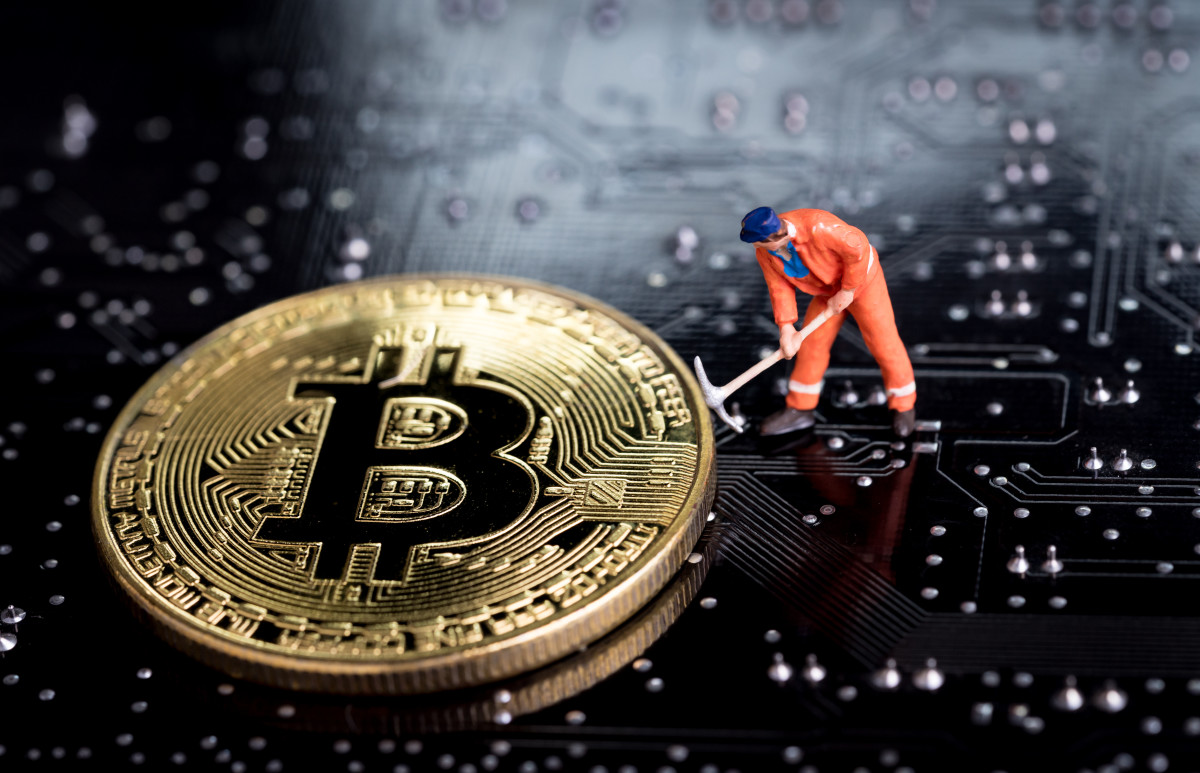
Laos plans to stop supplying electricity to cryptocurrency miners by the first quarter of 2026, shifting focus toward industries that contribute more directly to economic growth, such as AI data centers, metals refining, and electric vehicles, the country’s Deputy Energy Minister Chanthaboun Soukaloun told Reuters.

The landlocked Southeast Asian nation saw a crypto mining boom after a 2021 policy shift that attracted operators with cheap hydropower. However, the government now says the sector offers low economic value, creating few jobs and limited local supply chains.

“Crypto doesn’t create value compared to supplying power to industrial or commercial consumers,” Soukaloun said, noting that the government originally approved mining operations to absorb surplus electricity.

Power allocation to miners has already been reduced from 500 megawatts in 2021–2022 to around 150 MW, a 70% cut. Soukaloun added that while the government had planned to end supply earlier, abundant hydropower generation this year allowed operations to continue temporarily.

Often referred to as the “battery of Southeast Asia”, Laos exports most of its hydropower to Thailand and Vietnam and is now exploring increasing bilateral capacity to Vietnam beyond the current 8,000 MW.

Soukaloun also confirmed that talks with China are underway over a $555 million arbitration claim by a subsidiary of the Power Construction Corp of China regarding a hydropower project dispute.

Additionally, Laos expects to resume electricity exports to Singapore via the Lao-Thailand-Malaysia-Singapore (LTMS) corridor soon, pending final terms with Thailand.
B. Grimm Power and Digital Edge to Invest $1 Billion in Thailand Data Centre

Thai energy firm B. Grimm Power Pcl and Singapore-based digital infrastructure company Digital Edge announced a joint investment of $1 billion to build a 100-megawatt data centre in Thailand. This project aims to meet rising demand for digital infrastructure powered by clean energy, driven in part by surging interest in artificial intelligence technologies across Southeast Asia.

Thailand, the region’s second-largest economy, has become a hotspot for tech giants investing heavily in data centres. Notably, TikTok’s parent company Bytedance plans to invest $8.8 billion over five years, while Google is also preparing to launch a $1 billion data centre facility in the country. Earlier this year, Thailand’s investment board approved $3 billion in investments specifically targeted at data centres and energy projects.

Microsoft last year announced plans for its first regional data centre in Thailand, further solidifying the country’s status as a growing digital hub.

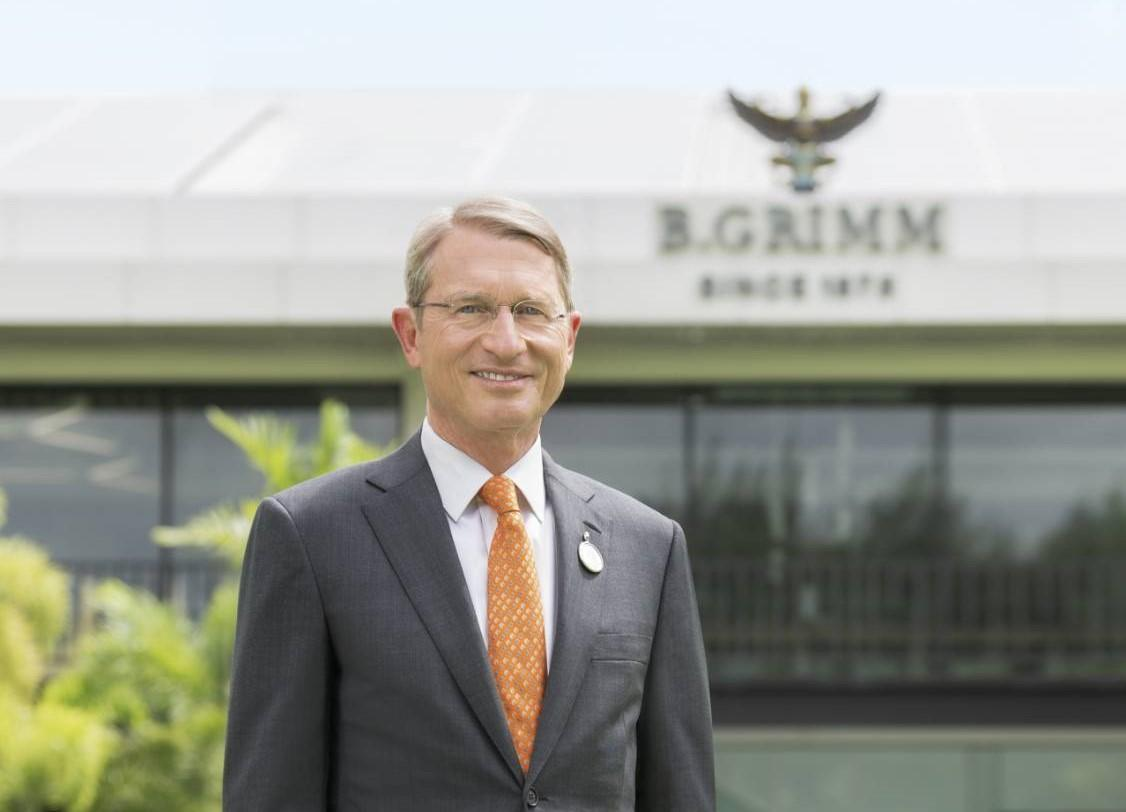
B. Grimm Power and Digital Edge said construction will be “fast-tracked” to have the data centre operational by the fourth quarter of 2026, catering to global tech firms looking to expand AI infrastructure in Southeast Asia. Harald Link, Group President of B. Grimm Power, highlighted the synergy between renewable energy and advanced data centre technology, stating the project will support Thailand’s transformation into a regional AI and cloud innovation centre.

Telcos Advanced Info and Thaicom Urge Investors to Reject Acquisition Offers Amid Parent Merger

The boards of Thailand-based mobile carriers Advanced Info Service (AIS) and Thaicom have urged investors to reject acquisition offers under the proposed merger of their respective controlling entities. This comes as part of an ongoing restructuring process by Gulf Energy Development, the largest shareholder of Thaicom, and Intouch Holdings, the controlling entity of Advanced Info Service.

In July 2024, Gulf Energy and Intouch announced plans to merge, aiming to form a new company valued at 1.037 trillion baht ($30 billion). This move is designed to enhance operations and optimize investments between the two companies. The merger has already been approved by shareholders of Gulf, led by Thai billionaire Sarath Ratanavadi, who is the country’s fifth-richest individual, with a net worth of $15.1 billion according to Forbes.

A tender offer was made by Gulf, Intouch, and Singtel to acquire Advanced Info Service, initially valuing the company at 216.30 baht per share, later lowered to 211.43 baht. However, Advanced Info’s financial adviser found the revised price to be below its estimated valuation range of 229.55 to 285.70 baht per share, leading the company to ask investors to reject the offer. In response, Gulf Energy confirmed the tender offer price is final and they do not plan to revise it.

Similarly, Gulf, Intouch, and Sarath made a similar tender offer to purchase 58.9% of Thaicom at 11 baht per share. Thaicom has also recommended that investors vote against the deal, pointing to its rising stock price since the merger announcement. Thaicom’s shares ended flat at 12.3 baht on Thursday.

The rejection of the offers by both companies’ boards has not disrupted the merger process. Varorith Chirachon, head of investment research at SCB Asset Management, stated that the market had anticipated this move and noted that the stock prices for both companies are higher than the offered prices, meaning the rejection of the tender offers does not pose a significant risk to the merger.