Yazılar

100 Elephants Rescued Amid Flash Floods at Sanctuary in Northern Thailand

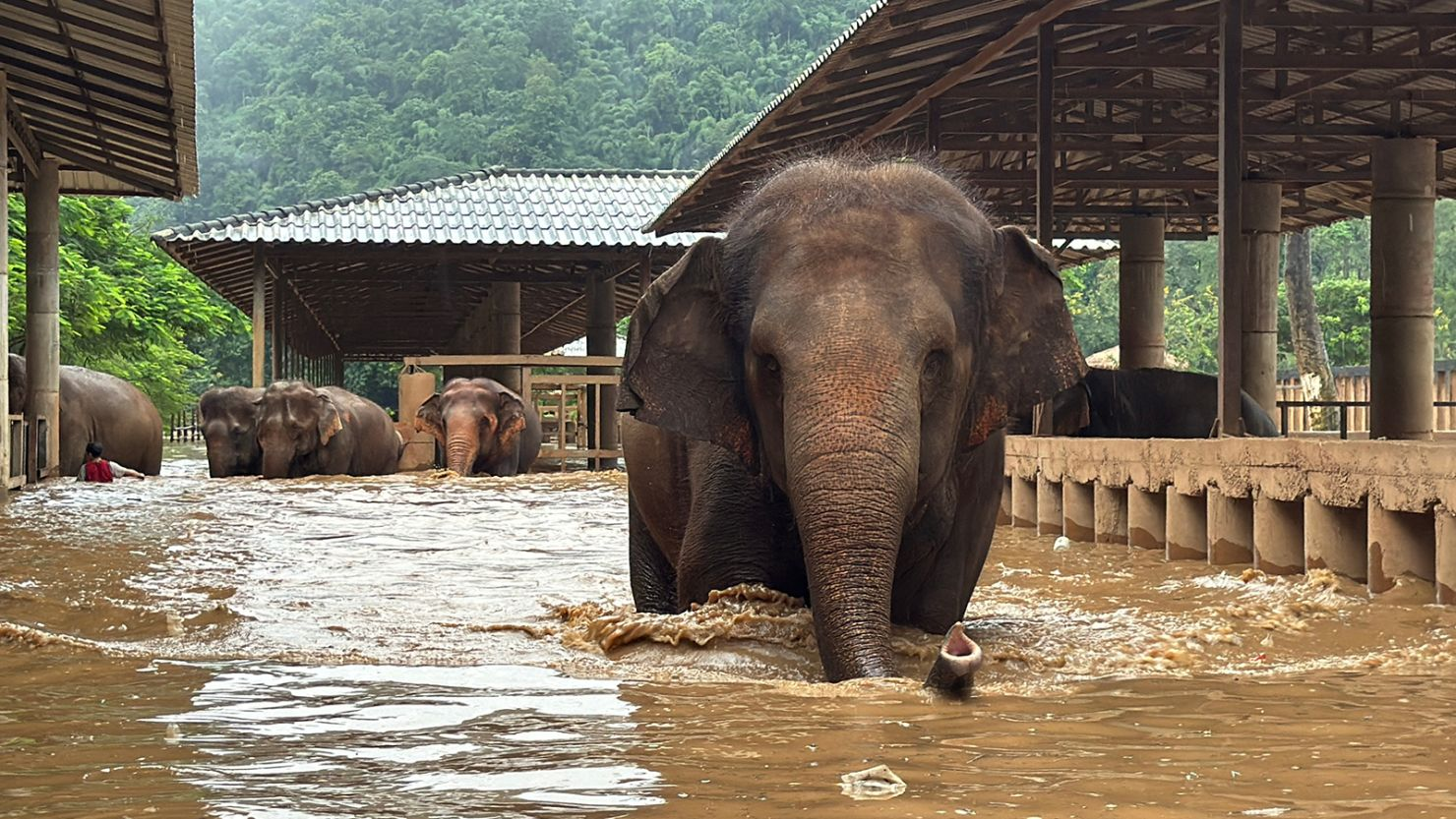
A popular elephant sanctuary in northern Thailand was hit by severe flash floods on Thursday, forcing the urgent evacuation of around 100 elephants and trapping tourists as staff fought to guide the animals to safety. The Elephant Nature Park, near Chiang Mai, experienced the worst flooding in its history as water levels rose rapidly, leaving the sanctuary overwhelmed.

Videos and images captured the dramatic scene as mahouts (elephant handlers) led elephants through chest-deep water, encouraging them to move to higher ground. Saengduean “Lek” Chailert, the park’s founder, called the evacuation the largest the park has ever undertaken.

Despite successfully moving many elephants to nearby mountains, the threat persists. Thirteen adult elephants remain trapped in their enclosures, panicked and struggling as waters continue to rise. Saengduean expressed the need for urgent help from Thai authorities, emphasizing the challenge of rescuing the remaining elephants and ensuring their safety.

Floods and Ongoing Danger

Thailand’s northern region has been battered by severe flooding and landslides in recent weeks, worsened by torrential rains from Typhoon Yagi, which struck in mid-September. The storm is Asia’s most powerful this year, and the damage it has caused is visible in many areas. The Ping River, which runs through Chiang Mai, has reached dangerous water levels, with officials issuing flood alerts across the region.

The sanctuary is now grappling with rising water levels and the possibility of needing to evacuate again. Volunteers and staff are working around the clock, but they face difficulties due to flooded roads that have cut off access to the sanctuary, isolating both animals and people.

Saengduean has made a desperate plea for boats and additional manpower to assist in the evacuation. About 30 foreign volunteers, including five Americans, are currently trapped at the park, unable to leave due to the floodwaters. These volunteers, some of whom have been at the sanctuary for several weeks, are helping the staff in their efforts to care for the animals.

Rescue and Rehabilitation Efforts

The Elephant Nature Park is known for its work in rescuing and rehabilitating elephants from the tourism and logging industries. Since the 1990s, it has saved over 200 elephants, many of which are blind or have physical injuries, further complicating their evacuation efforts.

“The animals were exhausted, some barely able to walk,” said Saengduean. “We need immediate assistance to continue the rescue operations and protect these vulnerable elephants.”

In addition to elephants, the sanctuary houses about 5,000 other rescued animals, including dogs, cats, horses, pigs, and rabbits. Some of these animals were moved to safety in recent days after authorities issued flood warnings, but the situation remains critical.

Thailand’s National Animal in Danger

Thailand’s elephants, the country’s national animal, have faced numerous threats over the past century, including poaching, habitat loss, and exploitation in tourism and logging industries. Their numbers have dwindled significantly, with an estimated 3,000 to 4,000 wild elephants remaining, down from over 100,000 at the start of the 20th century.

Efforts to save these animals have been hindered by ongoing flooding, and while Thai authorities have sent rescue teams to the sanctuary, they have struggled to reach the park due to impassable roads. Atthapol Charoenchansa, head of Thailand’s Department of National Parks, has called for additional resources, including flat-bottomed boats and volunteers, to assist in the evacuation efforts.

The Road Ahead

With heavy rains expected to continue and the threat of further flooding, the situation at the Elephant Nature Park remains dire. The staff, volunteers, and elephants face an uncertain future, and the park is calling for urgent help to secure the safety of all its animals and visitors.

China’s Economic Struggles Impact Golden Week Holiday Spending

China is bracing for a bustling Golden Week travel season, with the Ministry of Transport estimating 1.94 billion inter-city trips during the National Day holiday. This figure slightly surpasses last year’s total, indicating a potential recovery in domestic travel. However, persistent economic challenges, including a real estate downturn and rising unemployment, are expected to dampen consumer spending during this traditionally high-spending period.

Shaun Rein, founder and managing director of China Market Research Group, notes that while travel volume might surpass 2019 levels, spending per traveler is expected to decline. Consumers are adopting a more cautious approach, cutting back on expenditures amid economic uncertainty. Rein attributes this frugality to concerns about unstable income levels, with many Chinese opting to save until they see consistent economic improvements.

Data from Trip.com supports this trend, with both hotel and flight prices falling below last year’s levels. Prices for domestic and international flights have dropped compared to 2022, reflecting a broader trend of travelers seeking more budget-friendly options. The National Railway Administration expects 175 million rail trips during the Golden Week, as more people turn to lower-cost transportation. This year’s rail passenger volume is predicted to peak at over 21 million on Tuesday, surpassing the previous record of 20.7 million set during the Labor Day holiday in May.

Despite lower spending per traveler, there are signs of a modest uptick in tourism overall. Alicia Garcia Herrero, chief economist at Natixis, suggests that this year’s slight rise in tourism spending should be viewed in the context of last year’s relatively low base. During last year’s Golden Week, domestic tourism revenue reached 753 billion yuan ($107.37 billion), a 1.5% increase from 2019. Although total spending is on the rise, frugality remains a theme for many travelers.

China’s tourism sector has seen some recovery in 2023. The Ministry of Culture and Tourism reports a 16.8% increase in domestic trips over the first three quarters of the year, with 4.29 billion trips taken. Tourism revenue has also risen by 17.1%, reaching 4.32 trillion yuan ($615.6 billion). Inbound passenger trips have grown by 55.4%, totaling 95 million for the year to date.

While these numbers reflect gradual improvement, the post-pandemic recovery has been uneven. For example, during the May Labor Day holiday, China saw more trips and higher total spending than in 2019, but the average spending per traveler remained lower than pre-pandemic levels. The effects of the COVID-19 pandemic, combined with broader economic uncertainty, continue to influence consumer behavior.

To address these economic challenges, Chinese officials recently introduced new stimulus measures, including a 50-basis-point reduction in banks’ reserve requirement ratio, aimed at boosting liquidity. Shaun Rein anticipates that these measures could lead to a significant rebound in consumer spending during the upcoming Chinese New Year once the latest round of economic support is fully absorbed.

The Millau Viaduct: How the World’s Tallest Bridge Transformed the Map of Europe

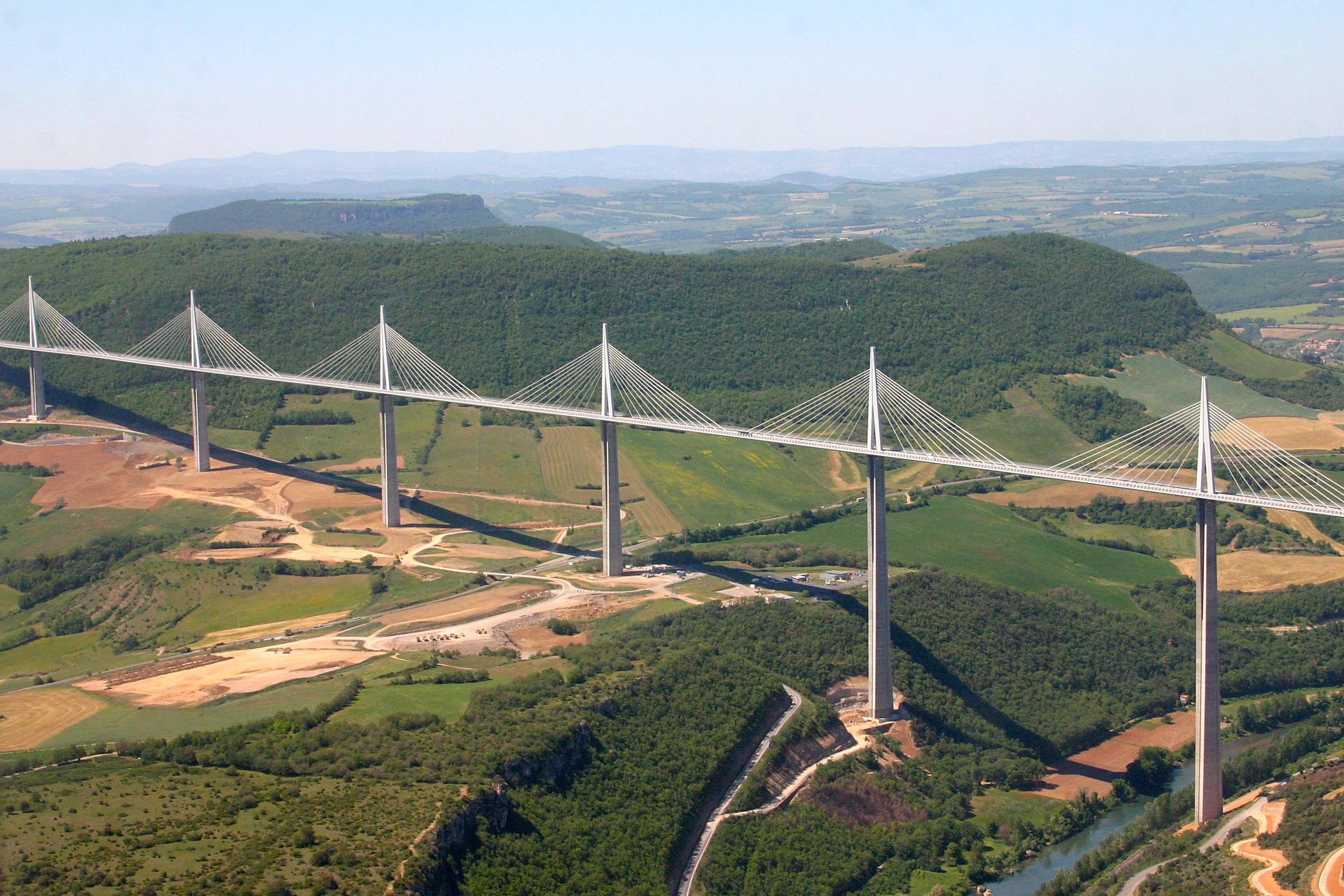
The Millau Viaduct, a stunning feat of engineering and design, has significantly reshaped Europe’s landscape and transportation network. Spanning the Tarn gorge in southern France, this bridge stands as the world’s tallest, with a structural height of 336.4 meters (1,104 feet), and stretches 2,460 meters (8,070 feet) in length. Its striking presence is so notable that it can be seen from space and has become a major destination for tourists.

Unlike traditional bridges that connect points of similar elevation, the Millau Viaduct arches gracefully across a valley, its seven piers ranging from 78 to 245 meters (256 to 804 feet) in height. The bridge’s design includes expansive 342-meter (1,122-foot) spans, allowing it to elegantly navigate the undulating terrain. Its road deck, weighing 36,000 tons and measuring about 14 feet thick, is supported by steel pylons and cable stays that ensure stability and smoothness for travelers.

The viaduct’s creation was driven by the need to alleviate traffic congestion in Millau and improve north-south travel across France. The region’s challenging geography, characterized by deep valleys and highlands, made the project both complex and critical. The French government, aiming to enhance the road network and resolve severe traffic issues, initiated the project in the 1980s.

The design phase, led by engineer Michel Virlogeux and architect Norman Foster, involved overcoming significant challenges. The team decided on a cable-stayed bridge to balance aesthetic beauty with structural efficiency. The viaduct’s slender, elegant design was intended to blend with the natural landscape rather than dominate it.

Construction began in October 2001 and was completed in December 2004, costing approximately 400 million euros ($437 million). Despite initial local opposition fearing the bridge would mar the scenic beauty of the area, the viaduct ultimately enhanced the landscape and attracted tourists. Its creation resolved long-standing traffic issues and transformed Millau into a prominent destination.

The viaduct not only improved travel efficiency but also contributed to environmental benefits by reducing CO2 emissions from heavy vehicles. As it nears its 20th anniversary, the Millau Viaduct remains a testament to modern engineering and design, continuing to captivate visitors and stand as a symbol of innovative infrastructure.