Yazılar

Global Markets Steady Amid High Volatility in Currencies as US Election Approaches

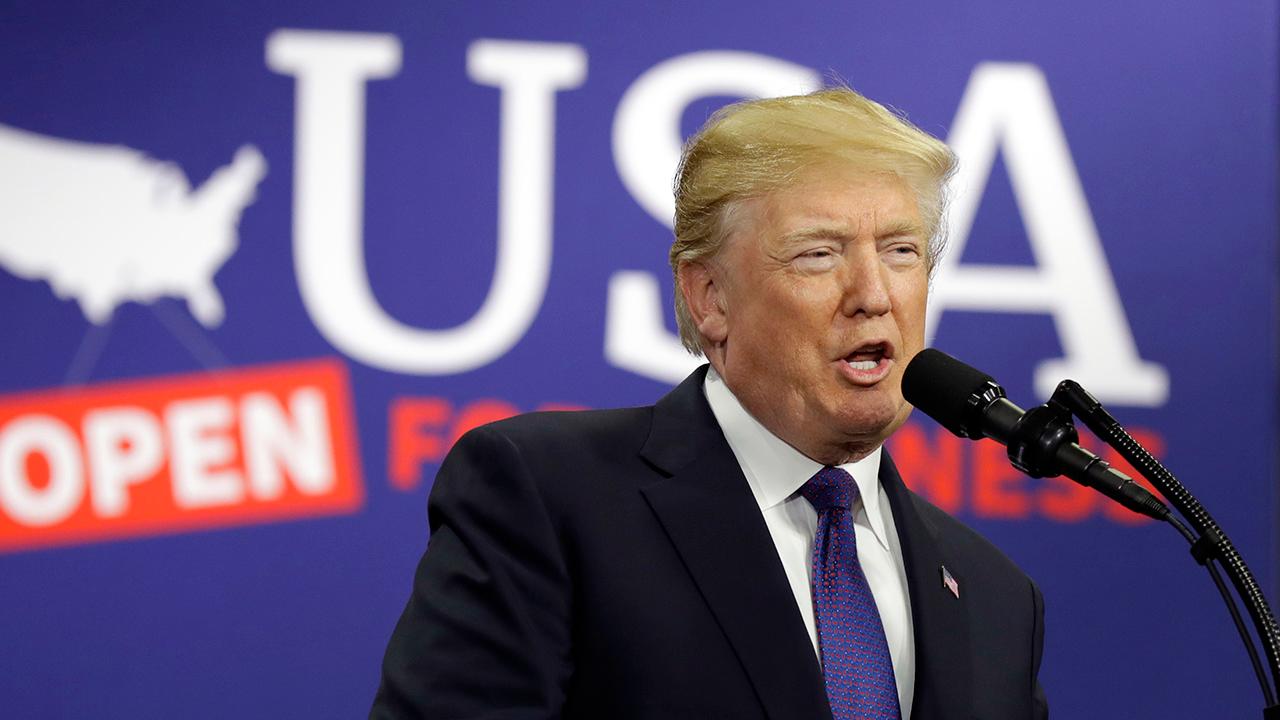
Stocks remained stable on Tuesday, while currency market volatility surged in anticipation of the tightly contested U.S. election outcome. Overnight, implied volatility for euro/dollar options climbed to the highest levels since November 2016, alongside a similar spike for dollar-Mexican peso options. This increase reflects concerns that a Trump victory could renew protectionist policies, affecting economies like Mexico’s more severely than a Harris administration would.

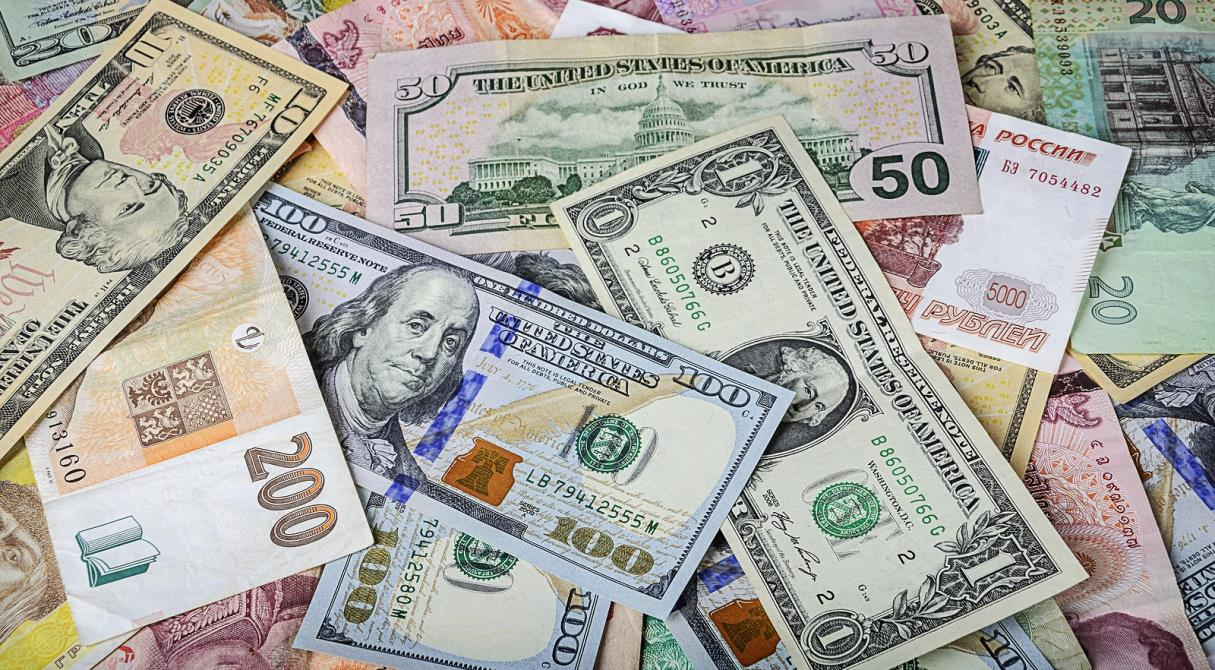
European stocks saw modest declines, with the STOXX index down 0.2%. Meanwhile, MSCI’s Asia-Pacific index (excluding Japan) rose by 0.7%, as global stock markets braced for potential fluctuations once U.S. markets open on Wednesday. Currency markets, which operate around the clock, showed more movement. The U.S. dollar traded at 152.46 yen and $1.0879 per euro, but market sentiment remains divided, as analysts continue to weigh the potential impacts of each candidate’s policies.

Analysts predict a Trump win could boost the dollar, while a Harris victory may lead to a mild decline. “They’ve priced what they think is price-able and that’s that,” noted Westpac strategist Imre Speizer. Bitcoin also surged 2.7% to around $68,884, with Trump perceived as more favorable to cryptocurrencies than Harris.

The election concludes a highly polarized campaign season, including the withdrawal of President Joe Biden in support of Kamala Harris and even assassination attempts targeting Trump. Market focus now rests on Trump’s trade policies and their possible inflationary impacts, particularly regarding U.S. exports, with expected reactions in the bond and currency markets.

According to analysts at J.P. Morgan, “Ultimately, the U.S. election comes down to this — whether the U.S. electorate wants to vote for economic policy continuity, institutional stability, and liberal democracy (Harris) or radical trade policy, a further retreat for globalization, and strongman democracy (Trump). In short, a vote for stability or change.”

Global Markets on Edge

Concerns are mounting in China, which is vulnerable to potential tariff escalations. The yuan traded at 7.1083 per dollar, with high implied volatility against the dollar. Chinese stocks, however, surged to near one-month highs as investors anticipated Beijing’s approval of measures aimed at debt refinancing and local government spending. The CSI300 index rose 2.5%, and Hong Kong’s Hang Seng index gained 1.4%.

Meanwhile, the Reserve Bank of Australia held rates steady, as expected, and the Australian dollar showed only minor gains, trading at $0.6614. Citi currency strategists expressed a preference for selling dollar/yen and buying AUDUSD in a Harris victory scenario, while a Trump win would favor the U.S. dollar against the euro, SEK, and NOK.

In bond markets, the U.S. 10-year Treasury yield held steady at 4.32%, with expectations of a rate cut on Thursday. In Europe, German bond yields rose, with the 10-year yield at 2.41%, just below last week’s three-month high.

Oil prices also remained firm after producers delayed output increases, with Brent crude trading at $75.24 a barrel, following a 3% increase on Monday. As election results roll in after midnight GMT, key battleground states such as Georgia, Pennsylvania, and Arizona will be closely monitored. A clear result may take days, with Trump signaling intentions to contest any unfavorable outcome, as he did in 2020.

 

EU Governments Set to Vote on Chinese EV Tariffs Amid Concerns Over Retaliation

European Union member states are preparing for a crucial vote on Friday to determine whether to impose tariffs of up to 45% on Chinese-made electric vehicles (EVs). The proposed tariffs follow a year-long anti-subsidy investigation, which concluded that Chinese EVs benefit from unfair government subsidies, distorting competition within the EU market. The vote comes amid concerns of potential retaliation from Beijing, which has already initiated its own probes into European imports.

The European Commission, which manages trade policy for the bloc, has proposed the tariffs for the next five years. However, under EU rules, the decision requires a qualified majority, meaning 15 EU countries representing 65% of the bloc’s population must support or reject the proposal. If the vote is split, the Commission can still move forward with the tariffs but may also opt to amend the proposal to gain broader support.

France, Italy, Greece, and Poland have reportedly voiced their support for the tariffs, ensuring there won’t be a blocking majority against the measures. Meanwhile, Germany, the EU’s largest economy and a major car producer, is expected to vote against the tariffs. German automakers, such as Volkswagen, have expressed strong opposition, citing the significant share of their sales that come from the Chinese market, which accounts for almost a third of their global revenue. Volkswagen has labeled the proposed tariffs as “the wrong approach.”

The stance of Spain has shifted in recent days. Previously in favor of tariffs, Spanish officials have now called for a continuation of negotiations rather than imposing immediate duties. In a letter to European Commission Vice President Valdis Dombrovskis, Spain’s economy minister suggested seeking a deal on prices and relocating battery production to the EU. Spanish Prime Minister Pedro Sanchez had also indicated a desire to reconsider the EU’s position during his visit to China.

While some EU countries remain cautious of China’s reaction, the bloc’s relationship with China has become more complex over the past five years. The EU now views China not only as a partner but also as a competitor and systemic rival. In light of China’s 3 million surplus EV production capacity — double the size of the EU market — Europe has emerged as the most viable market for Chinese exports, especially given the 100% tariffs imposed by the United States and Canada on Chinese EVs.

The Commission remains open to further negotiations with China, considering alternatives to tariffs. A possible solution could involve setting minimum import prices based on various criteria, including EV range, battery performance, and vehicle specifications. The current tariff proposal includes additional duties of 7.8% for Tesla and 35.3% for SAIC and other non-cooperating companies, on top of the EU’s standard 10% import duty for cars.

As the EU prepares for this pivotal vote, the outcome will likely have far-reaching consequences for EU-China trade relations, the European automotive market, and the broader global EV supply chain.


Why Trump’s Trade Hero Turned Away From Tariffs

Tariffs remain a hot topic in today’s political discourse, with both Republicans and Democrats showing some level of support for them, even as voters complain about inflation. Former President Donald Trump has vowed to impose sweeping tariffs on imports, furthering his economic nationalism but contradicting his anti-inflation message. On the other hand, while Vice President Kamala Harris criticized Trump’s tariff plan, President Joe Biden has maintained many of the tariffs that Trump introduced during his presidency.

Douglas Irwin, a professor of economics at Dartmouth College and author of “Clashing over Commerce: A History of US Trade Policy,” provides valuable insights into the history of tariffs in the US, including the story of William McKinley, a former president admired by Trump. Surprisingly, McKinley, often associated with protectionism, began turning away from tariffs just before his assassination in 1901.

The Historical Role of Tariffs

Historically, tariffs served as a primary revenue source for the US government, particularly before the Civil War. Without income or sales taxes, the government relied heavily on taxing imports to finance national defense and reduce debt. According to Irwin, tariffs were easy to enforce since most goods arrived at a limited number of ports, making collection efficient.

However, tariffs also became a tool to protect domestic industries from foreign competition, creating tension between consumers seeking low prices and producers demanding protection from foreign goods. This tension persisted throughout US history and shaped trade policies over the decades.

McKinley’s Shift Away from Tariffs

Trump has praised William McKinley for his tariff policies, especially the McKinley Tariff of 1890, which protected domestic industries like steel. However, Irwin explains that McKinley’s views evolved once he became president in 1897. No longer representing just Ohio’s protectionist interests, McKinley began advocating for reciprocity—lowering US tariffs in exchange for other countries doing the same. This shift toward free trade aimed to open foreign markets for American exports, but McKinley’s untimely assassination cut short his efforts.

Interestingly, just one day before he was shot, McKinley gave a speech advocating for the end of “commercial wars,” signaling his desire for friendlier trade relations—a stance far removed from the protectionist label Trump associates with him.

Tariffs in the American Political Conversation

In the late 19th century, tariffs dominated political debates, as the federal government was smaller, and decisions about tariffs affected industries and regional economies. This echoes the current conversation about whether tariffs help or hurt the economy. While Trump argues that tariffs strengthened the US economy in the past, Irwin points out that the 1890s were a volatile period with significant economic instability, suggesting that high tariffs alone don’t guarantee growth.

Picture background

The US Shift Away from Tariffs

As the US introduced income and sales taxes, the reliance on tariffs for revenue diminished. By the 20th century, the US began focusing on expanding exports and opening foreign markets through trade agreements like the General Agreement on Tariffs and Trade (GATT) and NAFTA. Tariffs became less central to economic policy as global trade expanded.

Today’s Tariffs vs. 19th Century Tariffs

Trump’s proposed tariffs on imports would be closer to late 19th-century levels but not as uniform. Unlike the 19th century, where tariffs applied across all countries, Trump’s focus is primarily on China. Irwin notes that targeting a specific country with high tariffs is a relatively modern strategy.

Can Tariffs Replace Taxes?

Trump has claimed that his tariffs would generate trillions in revenue to fund social programs. However, Irwin dismisses this idea, stating that tariffs, which apply to only a fraction of GDP, cannot replace income taxes. Furthermore, high tariffs would reduce imports, shrinking the revenue base.

Who Pays for Tariffs?

Despite Trump’s assertion that foreign countries pay tariffs, studies show that the cost is passed on to American consumers. Businesses absorb the cost of tariffs and raise prices on goods, meaning that US consumers ultimately bear the financial burden.

Nationalism and Tariffs: Then and Now

In the late 19th century, tariffs were also seen as a patriotic act, especially against Britain, the dominant industrial power at the time. Today, China occupies a similar position in American political discourse. Irwin highlights that the Republican Party, historically the party of protectionism, has now shifted toward a more nationalist approach, with Trump leading the charge on imposing tariffs to protect American industries.