Yazılar

Trump and Nvidia CEO Discuss DeepSeek and AI Chip Export Restrictions

U.S. President Donald Trump and Nvidia CEO Jensen Huang held a meeting at the White House on Friday to discuss the rise of China’s DeepSeek and potential restrictions on AI chip exports. The discussions centered around the growing competition from DeepSeek, a Chinese AI company that recently launched an advanced model, which is seen as a challenge to U.S. technological dominance. DeepSeek’s performance has raised alarms, prompting concerns about China’s progress in AI, with the company’s app becoming a global sensation within days of its launch. The meeting also covered tightening restrictions on Nvidia’s AI chip exports, particularly its H20 model, to China. U.S. lawmakers have called for further scrutiny of AI chip sales to China, and the Commerce Department is investigating whether DeepSeek has used restricted U.S. chips.

China-EU Tariff Dispute Unlikely to Escalate Further, Analysts Say

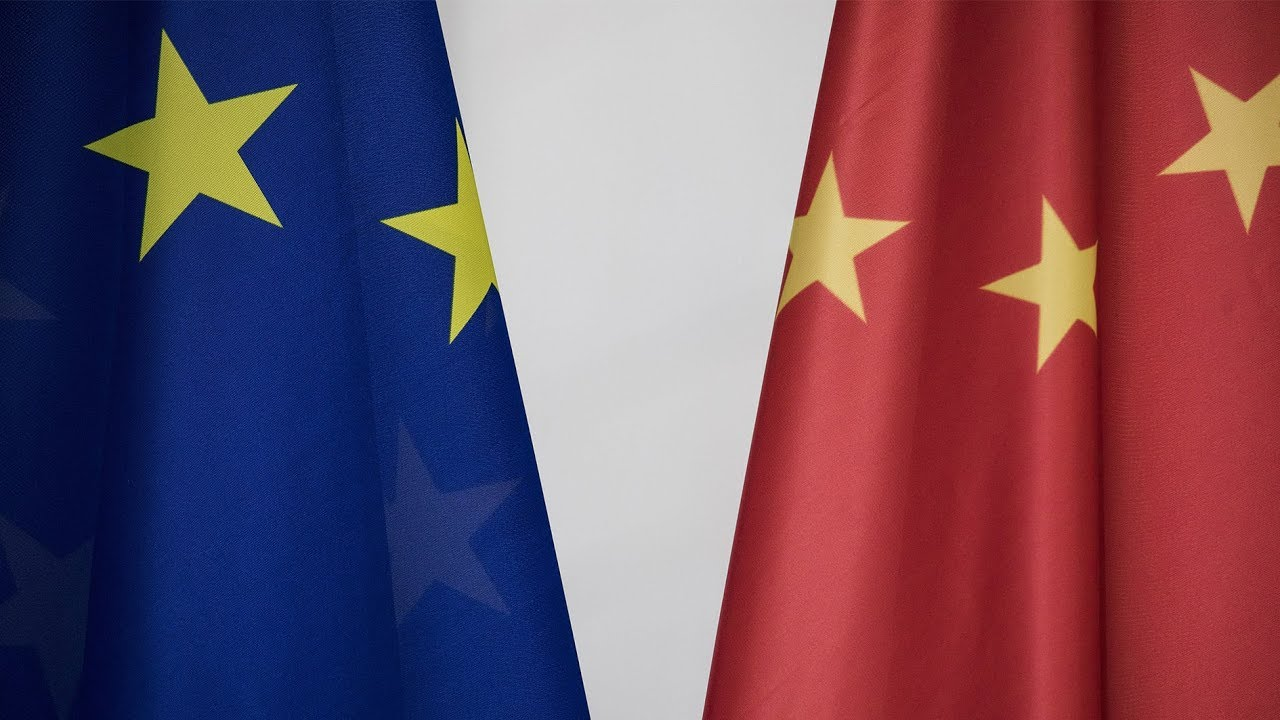
As China seeks resolution to its tariff dispute with the European Union (EU) regarding electric vehicles (EVs), analysts predict that Beijing will approach the situation with caution. Following China’s recent appeal to the World Trade Organization (WTO) to address the EU’s tariffs on its EVs, industry experts believe that both parties will avoid escalating the conflict significantly.

On Monday, China’s commerce ministry announced it had filed another complaint with the WTO, emphasizing that bilateral talks have not yielded satisfactory results. According to Shaun Rein, managing director of China Market Research, this latest action serves as a “warning shot” to Europe, indicating China’s strength while signaling a desire for cooperation. He anticipates a “measured” response from China as it navigates its economic relationship with Europe, particularly amid rising tensions with the U.S.

Since the implementation of the EU’s tariffs last Wednesday, discussions have surfaced regarding establishing minimum price commitments from Chinese car manufacturers as an alternative to the tariffs. The EU accounted for over 40% of China’s EV exports in 2023, making the economic stakes significant for both parties.

Sam Radwan, CEO of Enhance International, stated that the likelihood of the China-EU dispute escalating to the level of the U.S.-China trade tensions is low, primarily due to the EU’s dependence on China in its EV supply chain. The EU has increased tariffs on Chinese EVs to as high as 45.3% following a year-long investigation, prompting China to respond by targeting European exports like pork, dairy, and brandy.

European trade officials continue to engage in talks with their Chinese counterparts. Maros Sefcovic, the European Commission’s vice president, referred to China as the EU’s “most challenging trading partner” and expressed the bloc’s intent to be more assertive in addressing what it perceives as structural imbalances and unfair trade practices. Sefcovic emphasized that the EU does not seek trade wars but aims to rebalance its trade relationship with China.

Eugene Hsiao, head of China Autos at Macquarie Capital, noted that China will explore various avenues to pressure the EU into lowering tariffs. He suggested that a successful negotiation for lower tariffs could influence the level of investment Chinese EV manufacturers might consider for local production within the EU.

Reports indicate that China has advised its automakers to pause significant investment plans in European nations that support the tariffs, urging them instead to focus on countries that opposed the tariff measures. Notably, while countries like France, Poland, and Italy supported the tariffs in a recent vote, Germany, the EU’s largest economy and a significant car producer, opposed them.

In a meeting on Sunday, Chinese Commerce Minister Wang Wentao encouraged France to play a proactive role in fostering a solution that would benefit both the European and Chinese electric vehicle sectors. French junior trade minister Sophie Primas reaffirmed that while the EU aims to maintain trade relations with China, it would not compromise on critical issues.


Chinese Premier Li Qiang Visits Russia to Strengthen Ties Amid Ukraine Conflict

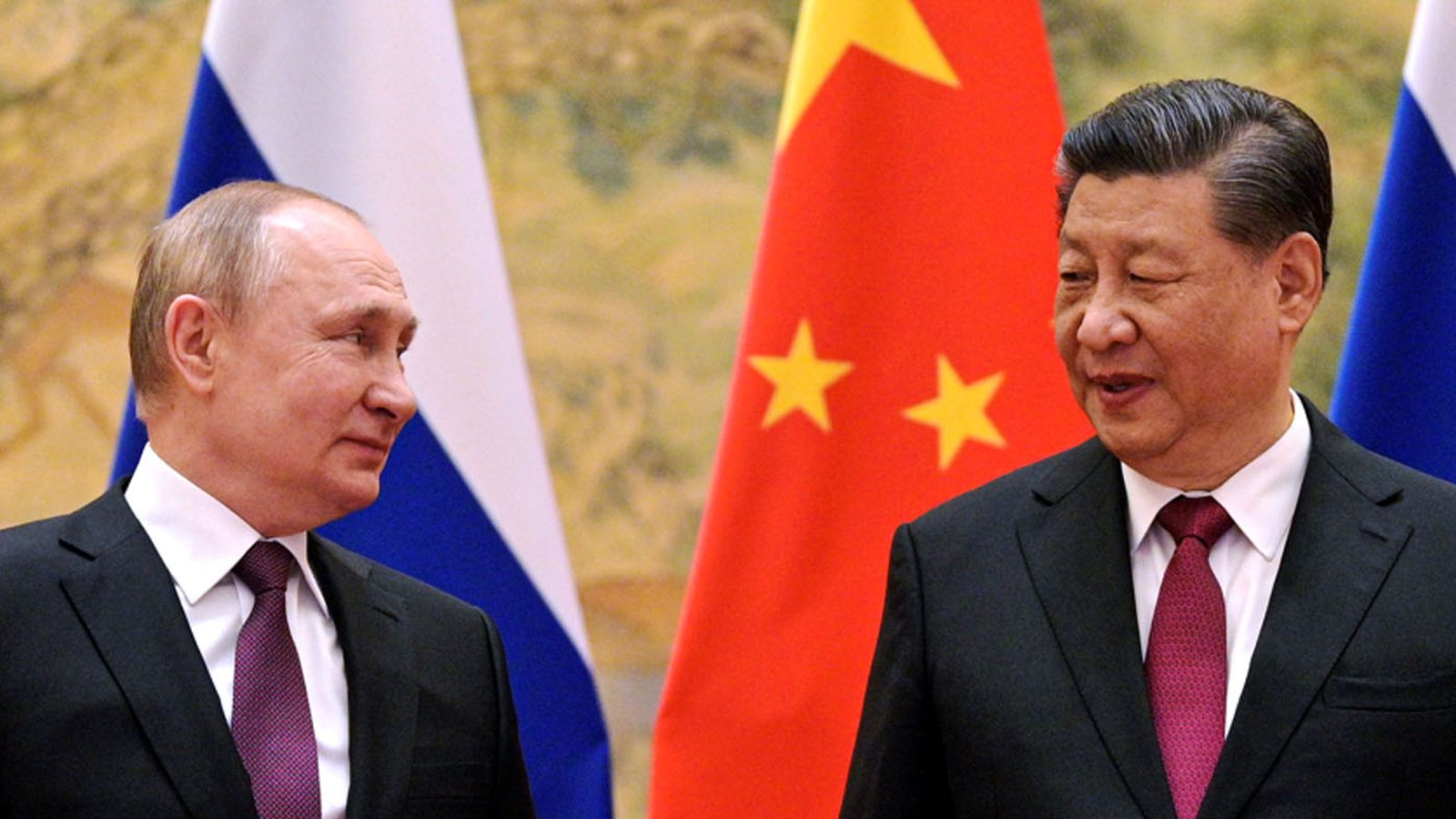
Chinese Premier Li Qiang has embarked on a four-day diplomatic visit to Russia and Belarus to bolster strategic ties between China and Russia amidst the ongoing war in Ukraine. Li, the second-highest official in China after President Xi Jinping, is scheduled to meet Russian President Vladimir Putin and hold talks with Prime Minister Mikhail Mishustin in Moscow. The discussions are centered around reinforcing China-Russia cooperation across various sectors, despite mounting Western criticism over China’s continued partnership with Russia amid the Ukraine conflict.

Upon his arrival at Moscow’s Vnukovo Airport on Tuesday, Li emphasized the vitality of China-Russia relations, describing them as entering a “new era” marked by increased political trust, fruitful cooperation, and enhanced international coordination. The visit reflects Beijing’s intent to further deepen its mutually beneficial relationship with Moscow, despite the broader international fallout from Russia’s full-scale invasion of Ukraine in 2022.

This high-level meeting comes just two weeks after Ukrainian forces launched a surprise incursion into Russia’s Kursk border region, a significant development as it marked the first time foreign troops entered Russian territory since World War II. The ongoing conflict has placed considerable pressure on Russia, both militarily and economically, with many urging a swift resolution to the war.

Picture background

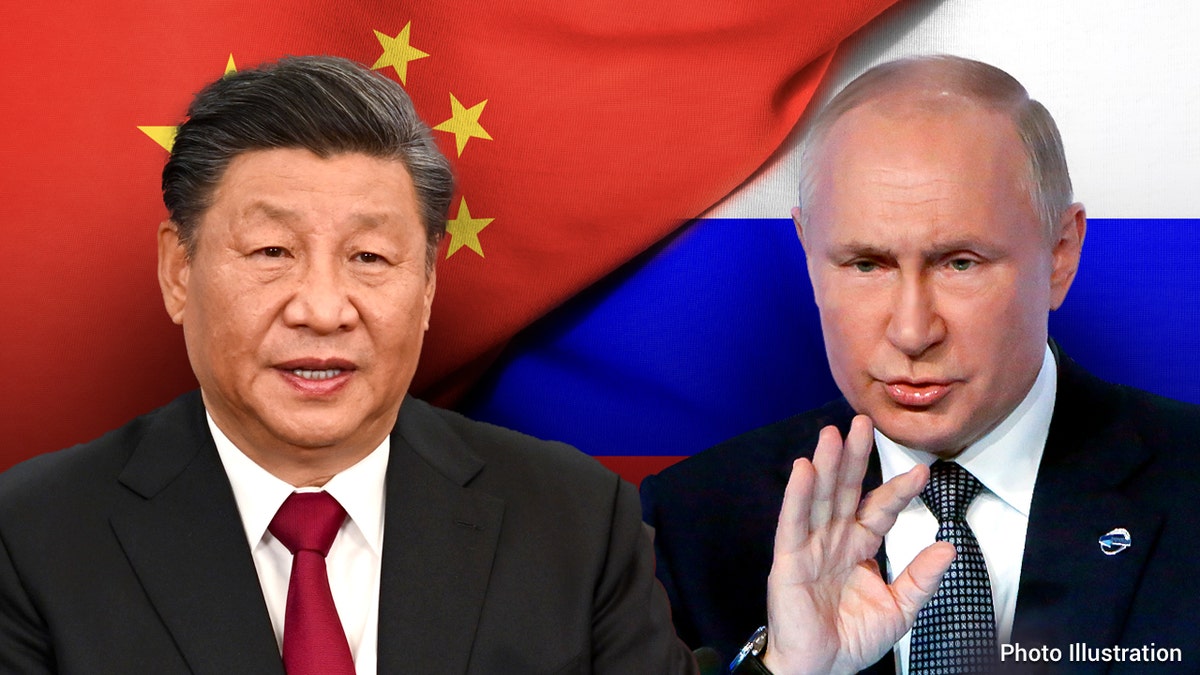
While China has positioned itself as a potential peace broker, it has faced increasing scrutiny from Western nations regarding its supply of dual-use goods to Russia, which critics argue are bolstering Moscow’s war effort. Chinese officials have reiterated their stance on seeking a political settlement to the crisis, calling for restraint and a reduction in hostilities. However, Beijing’s actions have so far leaned heavily toward solidifying trade, economic, and security ties with Russia.

Bilateral trade between the two nations hit record highs in 2022, exceeding $240 billion ahead of schedule, with Russia growing increasingly dependent on China’s market and investments in the face of broad international sanctions. Trade between the two countries continued to rise by over 25% year-on-year in 2023, although growth has slowed to 1.6% between January and July compared to the same period last year, according to Chinese customs data.

Li’s visit is part of the annual meeting between Chinese and Russian prime ministers, a tradition that has continued since 1996 to ensure the practical implementation of cooperative measures guided by Xi and Putin. This year’s discussions are expected to focus on trade, economic partnerships, and strategic coordination as both countries navigate the complex geopolitical landscape shaped by the Ukraine conflict.

After his meetings in Russia, Li will conclude his trip with a visit to Belarus, where he is set to meet Belarusian Prime Minister Roman Golovchenko. The two leaders will engage in discussions aimed at strengthening bilateral relations and exploring new opportunities for cooperation across various sectors. This visit underscores China’s broader regional influence as it seeks to balance its relationships amidst the ongoing conflict in Ukraine and global economic pressures.