Yazılar

Siemens Healthineers Shares Rise on Q1 Revenue Beat Despite China Order Delays

Siemens Healthineers (SHLG.DE) reported stronger-than-expected first-quarter revenue on Thursday, with a 5.9% year-on-year increase, despite challenges posed by delayed customer orders in China. The company’s Q1 group revenue reached 5.48 billion euros ($5.69 billion), slightly surpassing the 5.37 billion euros forecast by analysts.

The revenue boost was driven by a 16% surge in U.S. revenues, counteracting a 6% decline in sales from China, which the company attributed to “continued delays in customer orders.” Like many of its peers in the healthcare technology sector, Siemens Healthineers has been impacted by China’s ongoing anti-corruption campaign, leading to reduced hospital equipment orders in the region.

Siemens Healthineers’ Chief Financial Officer, Jochen Schmitz, stated that the company expects continued challenges in China, forecasting a decline in sales in the “medium to high percentage range” during the first half of the year. He also noted a “flat trend” in China’s performance over the following quarters.

Despite the challenges, Siemens Healthineers remains cautiously optimistic, with CEO Bernd Montag emphasizing that while global trade disruptions, such as U.S. tariffs on imports from Mexico and Canada, are a concern, the risk to the healthcare and medical technology sectors remains relatively low. He added that U.S. tariffs on Chinese imports would have a “minor” impact on the company’s business.

The company also expects a stronger U.S. dollar to play a role in its financial outlook. Siemens Healthineers confirmed its full-year guidance, with revenue growth anticipated to fall within the lower end of the projected range of 5% to 6% for the second quarter.
 

G20 Summit Kicks Off with Global Pact to Fight Hunger and Poverty

Global Alliance Against Hunger and Poverty

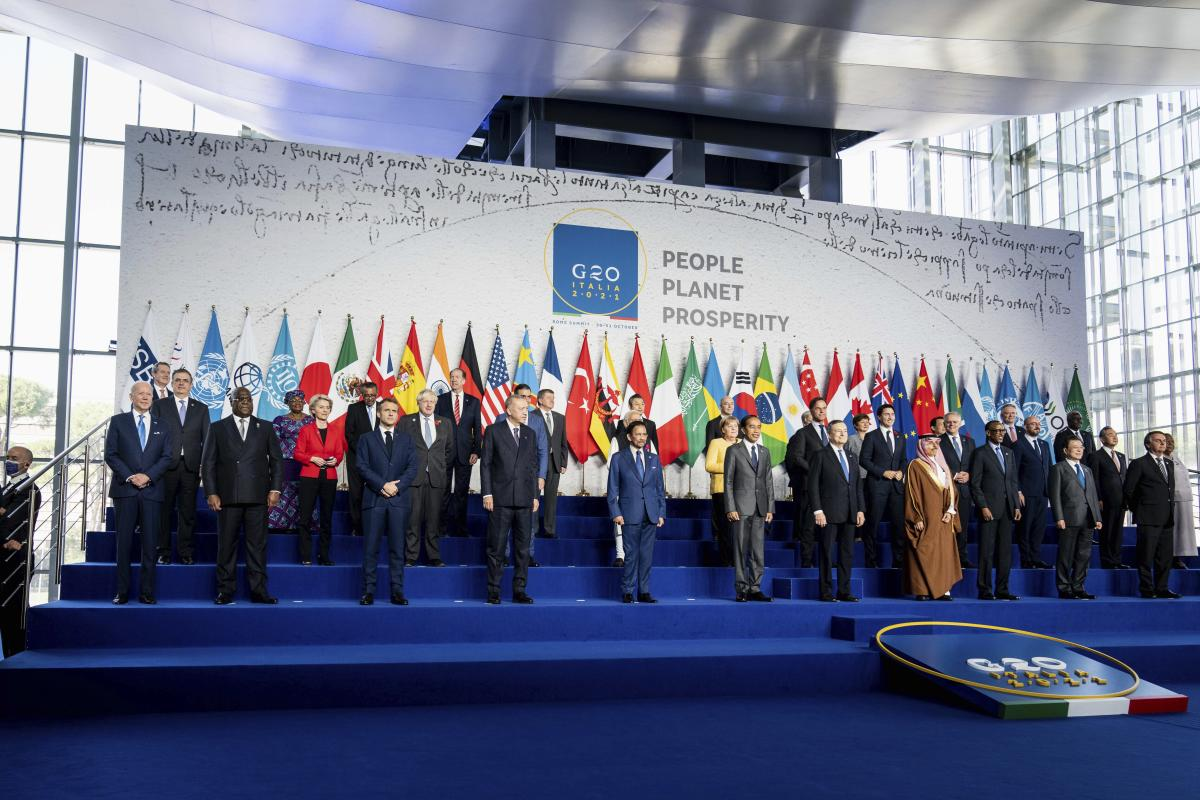
Brazil’s President Luiz Inacio Lula da Silva opened the Group of 20 (G20) summit on Monday with the launch of a groundbreaking global alliance aimed at combating hunger and poverty. A total of 81 countries have agreed to support this initiative, which emphasizes coordinated efforts to address these challenges globally.

  • Alliance Backed by Major Entities: The alliance is supported by the African Union, European Union, international organizations, development banks, and major philanthropies such as the Rockefeller Foundation and the Bill & Melinda Gates Foundation.
  • Lula’s Message: In his opening remarks, Lula, who rose from poverty and organized a metalworkers union, stressed that hunger and poverty are political decisions, not the result of scarcity or natural events.

G20 Agenda Amid Global Shifts

As leaders gathered in Rio de Janeiro for two days of talks, their discussions on trade, climate change, and international security are expected to clash with shifting U.S. policies under President-elect Donald Trump.

  • U.S. Policy Changes: Trump’s stance on tariffs, the war in Ukraine, and other issues is set to reshape the global agenda once he takes office in January.
  • Escalating Ukraine Conflict: A recent Russian airstrike on Ukraine and a new U.S. decision to allow Ukraine to use U.S. weapons to target deeper into Russia have created challenges for diplomats trying to reach consensus on the war.

Tensions and Security Concerns in Rio

Security in Rio has been heightened with the presence of Brazilian troops and police reinforcements. Despite this, a Brazilian army patrol came under gunfire near a slum in Rio de Janeiro, though no one was injured.

  • Geopolitical Tensions: Amid these tensions, the summit is being held against the backdrop of escalating conflicts in Gaza and Ukraine, with discussions focused on the global governance system and economic inequalities.

New White House Priorities and China’s Role

While U.S. President Joe Biden is seen as a lame duck with only two months left in office, China’s President Xi Jinping is poised to play a central role at the summit.

  • Biden’s Contributions: Biden is expected to announce a significant pledge to the World Bank’s International Development Association fund and launch a clean energy partnership with Brazil.
  • China’s Economic Influence: Xi is expected to promote China’s Belt & Road initiative, although Brazil has opted not to join.
  • U.S.-China Tensions: The G20 summit’s trade talks are also set to be impacted by Trump’s plans to escalate the U.S.-China trade war.

Brazil’s Push for Reform Faces Obstacles

Brazil’s efforts to push for reform in global governance and multilateral financial institutions could face challenges under Trump’s administration, particularly in areas like taxing the super-rich, an issue close to Lula’s agenda.

  • Opposition from Allies: Argentine President Javier Milei, a new ally of Trump in Latin America, has already rejected including a mention of taxing the wealthy in the summit’s joint communique.

China’s Exports Surge by 8.7% in August, Exceeding Expectations

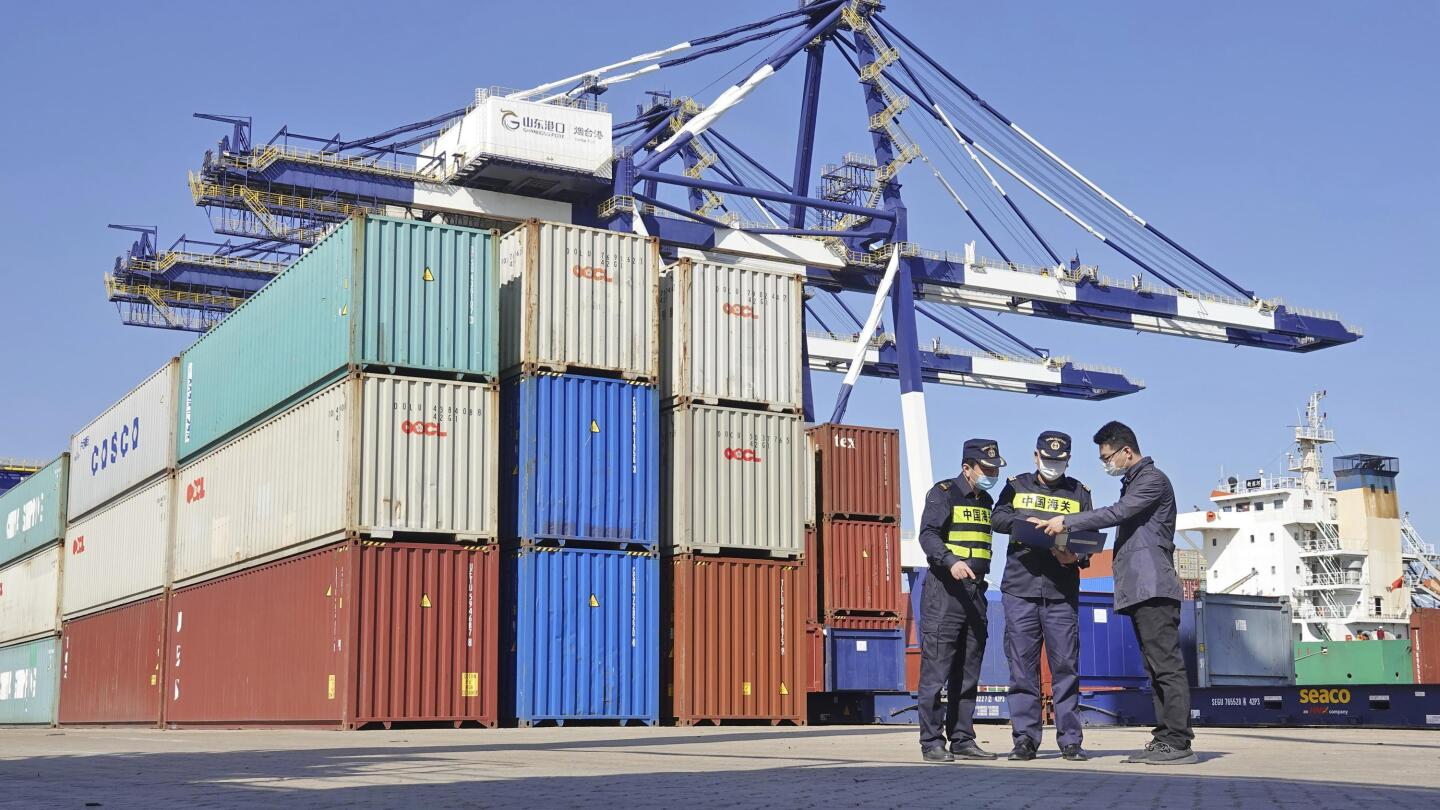
China’s exports witnessed a significant increase of 8.7% year-on-year in August, surpassing the 6.5% growth predicted by a Reuters poll, according to data from the country’s customs agency. Imports, on the other hand, grew by only 0.5%, falling short of the 2% growth expected. In July, China’s exports rose by 7%, while imports outpaced predictions with a 7.2% increase.

China’s exports to its key trading partners—the U.S., the European Union, and the Association of Southeast Asian Nations (ASEAN)—also showed growth in August, with exports to the EU rising by 13%, the highest among these partners. The U.S. saw a 12% rise in imports from China, while imports from the EU fell. Meanwhile, imports from ASEAN increased by 5%.

In trade with Russia, China’s imports declined by 1%, whereas exports to Russia grew by 10%. The month also saw China’s exports of cars and ships surge by nearly 40%, while smartphone exports rose by 6.7%. Other sectors, like suitcase exports, saw a growth of 9%, and integrated circuits showed an 18% rise in exports, with imports climbing by 11%.

Despite this growth, the rare earths trade exhibited a decline, with rare earth exports falling by 1% and imports dropping by 12% in August. This decrease followed China’s recent policy to increase oversight of its rare earth industry for national security reasons. China also announced export controls on antimony, set to take effect later in September. Additionally, crude oil imports fell by 7% in volume during August.

In yuan terms, year-to-date exports increased by 6.9%, while imports grew by 4.7%. Exports have been a strong point for China amidst ongoing struggles to stimulate domestic demand. However, China faces growing trade tensions with the U.S. and EU, with tariffs on Chinese electric cars and other goods adding pressure.