
Yazılar

Figure Technologies Upsizes IPO to $693 Million as Crypto Stocks Surge

Figure Technologies, a blockchain-native lender and stablecoin issuer, has expanded its planned U.S. initial public offering, raising its price range and increasing share count amid surging investor demand for crypto-related stocks.

IPO Details

  • New range: $20–$22 per share (up from $18–$20).

  • Shares offered: 31.5 million (up from ~26 million).

  • Potential raise: ~$693 million at the top end.

  • Valuation: ~$4.66 billion at the top end.

  • Listing: Nasdaq, ticker FIGR, debuting Thursday.

The initial plan would have raised up to $526 million at a valuation of $4.1 billion.

Market backdrop

  • Crypto IPO activity has heated up under the Trump administration’s pro-crypto stance, following successful debuts of Bullish and Circle.

  • Retail investors have bid up digital-asset stocks, boosting confidence for Figure’s listing.

Company background

  • Founded: 2018 by fintech entrepreneur Mike Cagney.

  • Business: Runs a blockchain-native platform for lending, trading, and consumer credit investment.

  • Efficiency claim: Funds home equity loans in ~10 days vs. industry average of 42.

  • Financials: Swung to a $29M profit in H1 2025, reversing a $13M loss a year earlier.

Investor interest

  • Lead underwriters: Goldman Sachs, Jefferies, BofA Securities.

  • Notable backer: Billionaire Stanley Druckenmiller’s Duquesne Family Office signaled interest in buying up to $50M in shares.

Outlook

The upsized IPO positions Figure as one of the most prominent crypto-fintech listings this year. If demand holds, it could serve as a barometer for mainstream appetite in blockchain-native financial companies amid a broader wave of digital asset adoption.
Trump EPA Proposes Faster Permitting to Speed AI Infrastructure Buildout

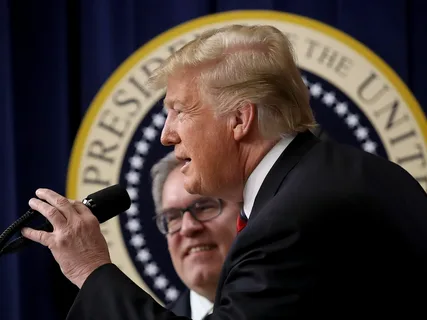
The Environmental Protection Agency (EPA) under President Donald Trump unveiled a proposal on Tuesday to accelerate permitting for AI-related infrastructure, allowing companies to begin construction of certain facilities before receiving Clean Air Act air permits.

Key elements of the proposal

  • Early construction allowance: Firms could start building parts of projects not directly tied to emissions before permits are finalized.

  • Target facilities: Power plants, manufacturing hubs, and data center infrastructure.

  • Objective: Reduce permitting delays that have long been cited as barriers to large-scale projects.

EPA Administrator Lee Zeldin said:

“For years, Clean Air Act permitting has been an obstacle to innovation and growth. We are continuing to fix this broken system.”

Context

  • The proposal follows the EPA’s “Powering the Great American Comeback” initiative launched six months ago, prioritizing power generation for AI-driven data centers.

  • The U.S. and China remain locked in a tech arms race, with AI development central to both economic and national security ambitions.

  • Rapid AI adoption is fueling surging demand for power, putting pressure on utilities and grids nationwide.

Regulatory background

  • Under the New Source Review program, companies cannot normally begin construction of major facilities before securing air permits.

  • The Trump administration is pushing a deregulatory agenda, including repeals of scientific and legal bases for greenhouse gas regulation — a move widely criticized by environmentalists.

Implications

  • Supporters argue the change will fast-track AI infrastructure, critical for U.S. competitiveness.

  • Critics warn it could weaken environmental safeguards and increase pollution risks while AI-related energy demand skyrockets.

U.S. to Restrict Chinese Drone and Heavy-Duty Vehicle Imports Over Security Concerns

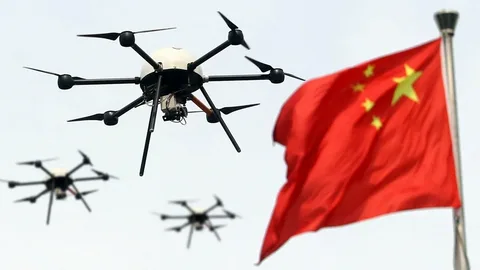
The Trump administration is preparing new rules that could restrict or ban imports of Chinese-made drones and medium-to-heavy duty vehicles, citing national security risks tied to foreign technology. The Commerce Department said Friday it expects to issue the regulations as soon as this month but did not provide details on the scope of the restrictions.

Chinese firms currently dominate the U.S. drone market, with DJI alone accounting for over half of all commercial drone sales. Washington has grown increasingly wary of Chinese technology embedded in vehicles and aircraft, warning that onboard computers, communications systems, flight controls, and data storage could expose U.S. infrastructure to espionage or cyberattacks.

The move builds on earlier measures targeting Chinese cars and trucks, with rules finalized in January under the Biden administration that will bar nearly all Chinese-made vehicles from the U.S. by late 2026. The Commerce Department has also opened national security probes into both drones and heavy-duty vehicles, which could pave the way for new tariffs.

Trump has already signed executive orders this year to boost domestic drone manufacturing and harden defenses against “threatening drones.” Meanwhile, Congress passed legislation in December, under Biden, that could eventually ban DJI and Autel from selling new drone models in the U.S.

The latest restrictions underscore bipartisan concern in Washington over supply chain dependence on China, as well as the push to secure strategic sectors like transportation and aerospace against foreign influence.