Yazılar

U.S. Charges Iranian Hackers with Targeting Trump Campaign

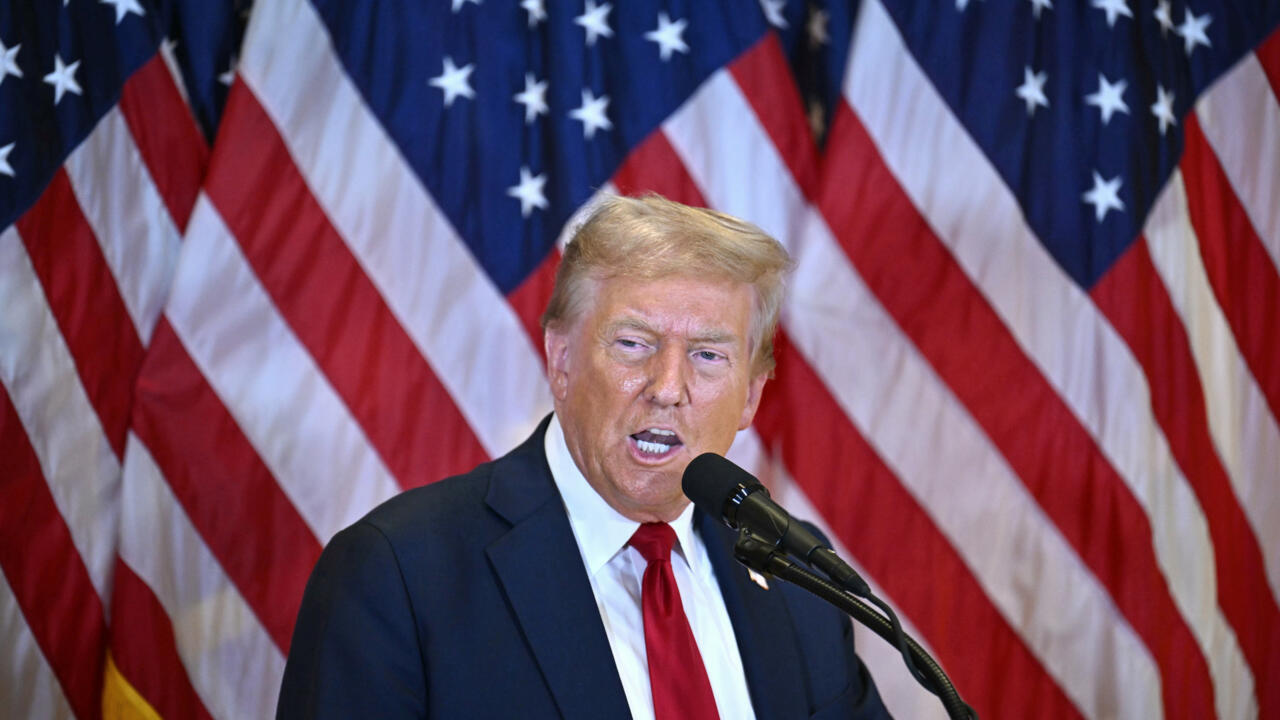
The U.S. Department of Justice has unsealed criminal charges against three members of Iran’s Revolutionary Guards Corps, accusing them of hacking Donald Trump’s presidential campaign in an effort to disrupt the 2020 U.S. election. The charges represent a significant step by the Biden administration to combat foreign interference in the election between former President Trump and Vice President Kamala Harris.

The indictment names Masoud Jalili, Seyyed Ali Aghamiri, and Yasar Balaghi as the hackers involved in a coordinated effort to undermine Trump’s re-election campaign. According to Attorney General Merrick Garland, the hackers employed fake email accounts to deceive campaign officials into clicking on malicious links, which allowed them to steal sensitive internal documents, including debate preparation materials and profiles of vice-presidential candidates.

Once acquired, this information was reportedly leaked to media outlets and the Biden campaign, though the latter did not respond to the offer of Trump’s debate preparation materials prior to their sole debate in June 2020. Garland highlighted that this aggressive cyber activity from Iran was a rising concern during the election cycle.

The three Iranians face multiple charges, including wire fraud, identity theft, and computer fraud. In addition to the criminal charges, the U.S. Treasury Department has imposed sanctions on the individuals, along with several other members of Iran’s Revolutionary Guard Corps.

While Trump’s campaign had acknowledged the hacking attempt in August 2020, they claimed that no private information had been compromised. Several news outlets, which were offered internal campaign documents, declined to publish them.

The hacking group responsible, known as APT42 or “Charming Kitten,” is notorious for using surveillance software to infiltrate mobile phones, enabling them to record calls, steal texts, and activate cameras and microphones without the user’s knowledge. The hackers remain in Iran, out of reach of U.S. law enforcement. However, Garland assured that U.S. authorities would pursue them relentlessly, citing previous successful apprehensions of international suspects long after they were charged.

In addition to these cyberattacks, Iranian efforts to target U.S. officials have not been limited to digital means. Earlier this month, a Pakistani man with ties to Iran was charged with terrorism for allegedly plotting to assassinate a U.S. politician in retaliation for the killing of Iran’s top Revolutionary Guard commander in 2020. Trump was named as a potential target in this plot, although there is no evidence linking him to recent attempts on his life.

The Justice Department is also pursuing cases related to Russian interference in the U.S. election, including charges against Russian operatives involved in funding pro-Trump social media influencers through state media channels like RT.
Conservative Donor Network Co-Founded by JD Vance Seeks to Shift U.S. Politics Rightward Ahead of 2024 Elections

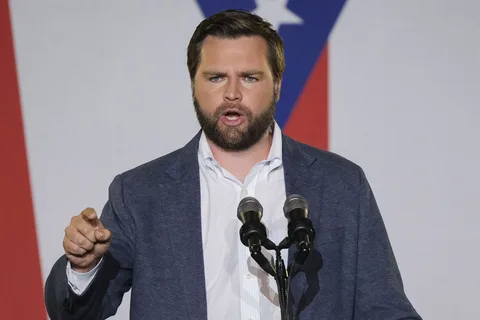
In 2019, JD Vance, the Republican politician and author of “Hillbilly Elegy,” co-founded the Rockbridge Network, a donor-backed organization aimed at influencing U.S. politics through right-wing media and voter mobilization. Though Vance no longer holds a formal position in Rockbridge, the organization has continued to grow, supported by tech industry investors and venture capitalists aligned with Vance and former President Donald Trump. The group’s goal is to promote a nationalist agenda, fund conservative investigative reporting, and influence elections through political action committees (PACs) and coordinated get-out-the-vote efforts.

The Rockbridge Network, which is estimated to have a budget of $75 million for 2024, operates through several political groups, including a super PAC, that focus on voter turnout in key battleground states and financing media outlets that support right-wing causes. Some of the network’s donors have deep roots in Silicon Valley and include high-profile figures like libertarian billionaire Peter Thiel, a major supporter of Vance’s political career.

The network’s focus extends beyond traditional Republican issues to include deregulation of industries such as cryptocurrency and artificial intelligence, a priority for many of its tech-investor backers. Rockbridge is also closely tied to conservative activist and heiress Rebekah Mercer, who has a long history of supporting right-wing causes and was instrumental in the rise of Trump’s political movement.

Picture background

One of the key components of Rockbridge’s strategy is recruiting religious communities into political activism. Through a group called Faithful in Action, the network is actively working to mobilize churchgoers and integrate them into conservative political efforts. Another initiative, Firebrand Action, focuses on promoting right-wing investigative journalism, although the exact media outlets supported by Rockbridge remain undisclosed.

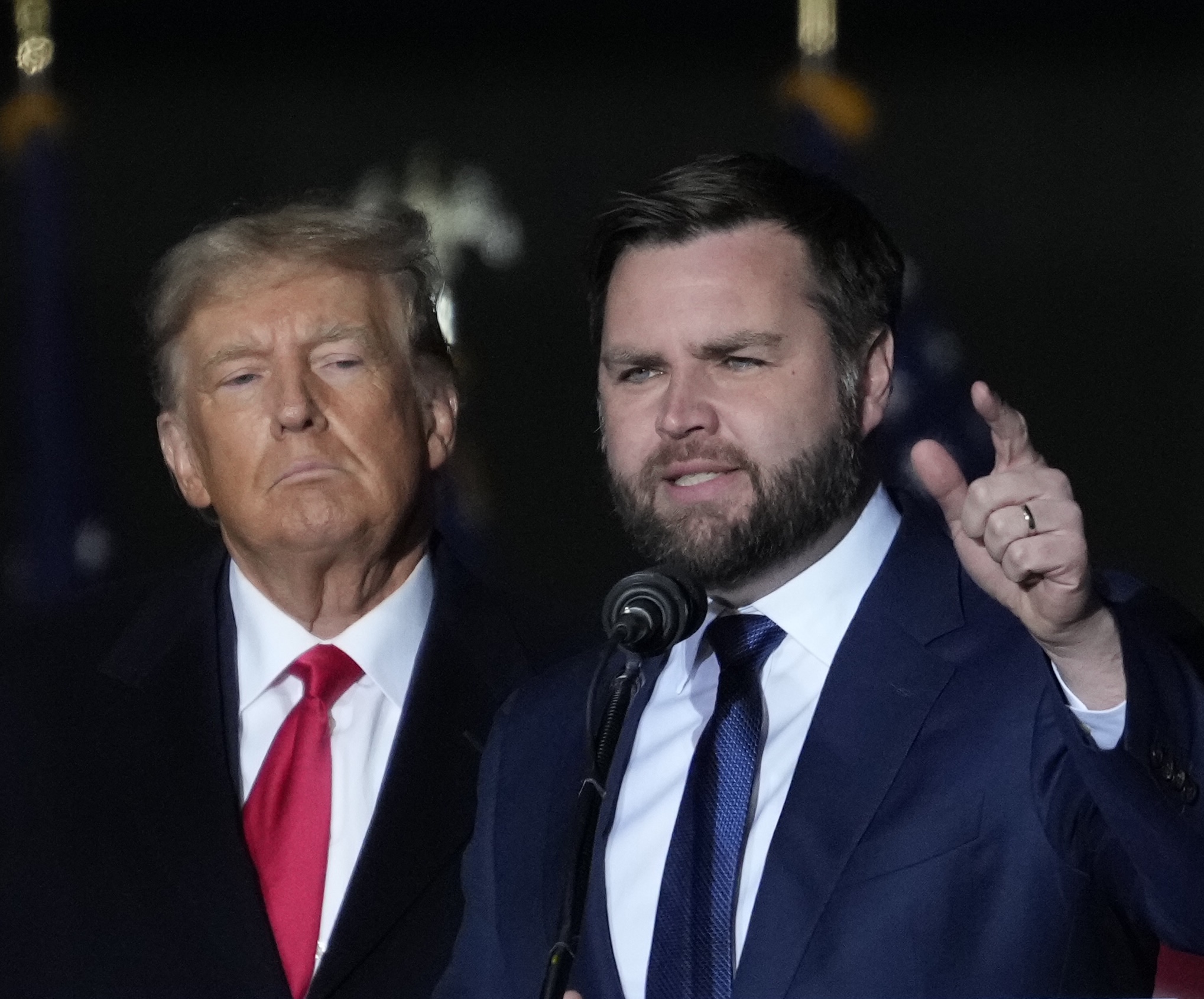
Vance’s role in the network and his continued association with its members have raised questions about the potential influence of tech and venture capital money in conservative politics. As Vance campaigns alongside Trump for the upcoming 2024 elections, Rockbridge’s efforts are expected to play a significant role in shaping the political landscape, especially in swing states where both Trump and Vance are focusing their campaign efforts.

In addition to its political operations, Rockbridge has also served as an incubator for new conservative ventures. One notable example is 1789 Capital, a $150 million venture capital firm founded by Rockbridge members Chris Buskirk, Blake Masters, and Rebekah Mercer. The firm is dedicated to building a “parallel economy” of conservative businesses, with its first major investment going to a media company formed by former Fox News host Tucker Carlson.

With the support of a network of tech investors and political activists, Rockbridge aims to reshape the Republican political ecosystem. Its influence could play a crucial role in the 2024 elections, further solidifying the impact of Silicon Valley on conservative politics while expanding the reach of Trump’s nationalist agenda. As the organization continues to grow, its ability to fund right-wing media, bolster voter turnout, and support conservative businesses will likely have lasting effects on U.S. politics.

Harris Campaign Launches $370 Million Fall Ad Push in Key Battleground States

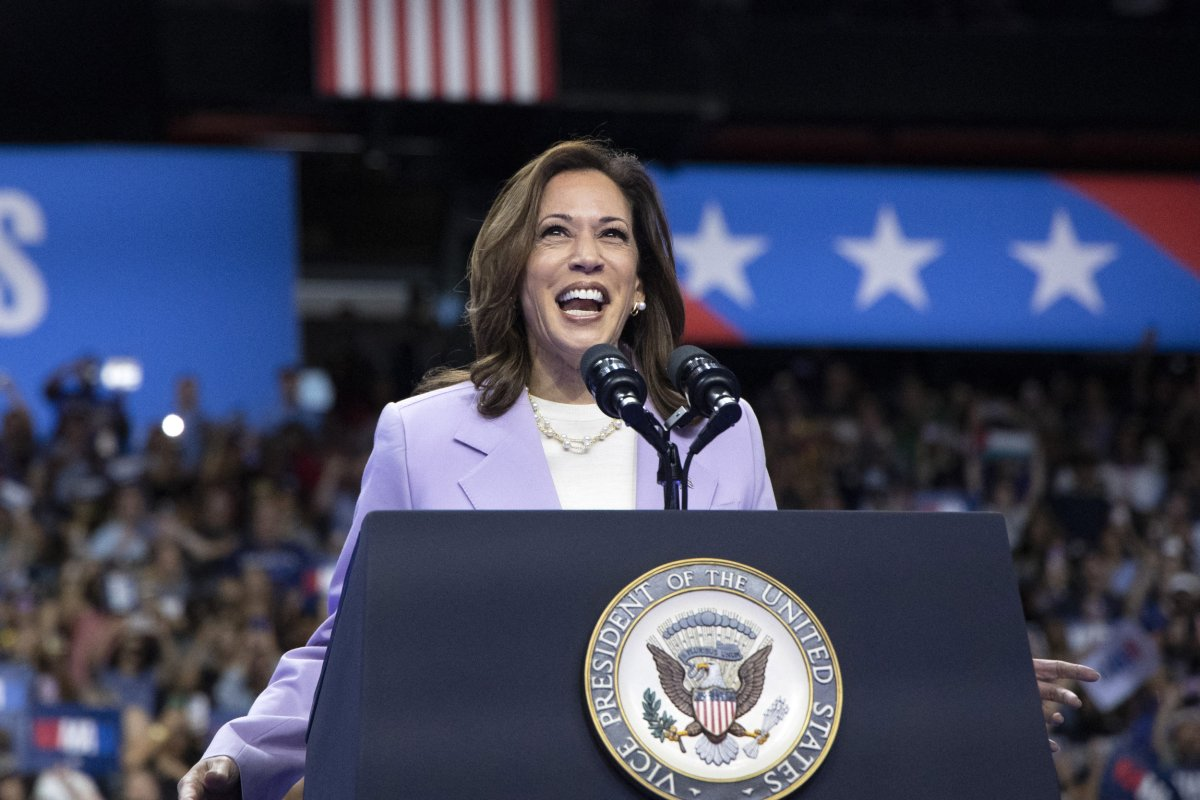
The Harris presidential campaign has announced a massive $370 million advertising push, focusing on key battleground states in the lead-up to the November election. With $170 million allocated for TV ads and $200 million for digital platforms, the campaign aims to dominate high-viewership moments and secure prime advertising slots before they are sold out.

This aggressive strategy comes in the wake of President Joe Biden’s withdrawal from the race and his endorsement of Vice President Kamala Harris. The campaign’s objective is to define Harris to voters before the Trump campaign can do so, particularly in battleground states like Pennsylvania, Wisconsin, Georgia, and Nevada.

The Harris campaign is prioritizing digital ads on platforms like Hulu, YouTube, and Spotify, reflecting a shift towards engaging voters in today’s fragmented media environment. The campaign has already spent over $33 million on TV and radio ads, with an additional $43 million on Facebook and Google ads, making it the biggest spender in the race so far.

Trump’s campaign has downplayed the Harris campaign’s ad blitz, criticizing it as overspending, but Harris’ team believes this early investment will pay off by securing better ad placements at lower costs. The campaign’s strategy also includes targeting moderate voters by running daytime ads on Fox News, aiming to win over supporters of former GOP presidential candidate Nikki Haley.

This significant ad spend marks a crucial phase in the 2024 election cycle as both parties gear up for the final sprint towards Election Day, making their case to voters in pivotal swing states.