Yazılar

Nvidia to Exclude China from Financial Forecasts Amid U.S. Export Restrictions

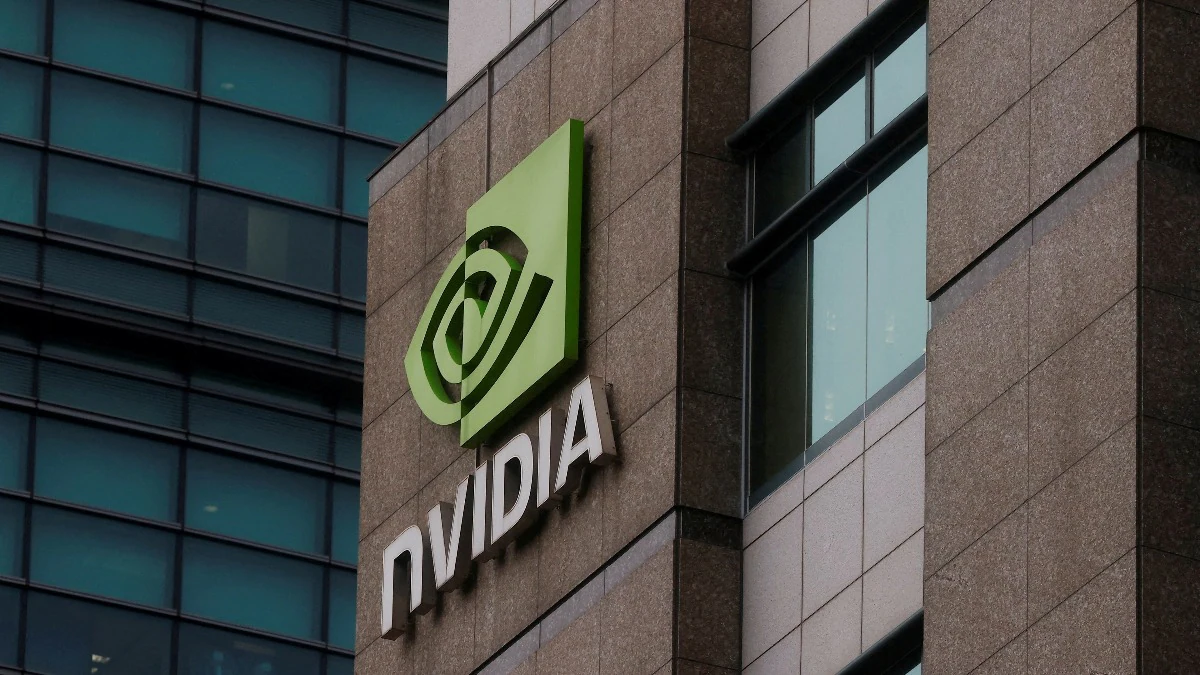
Nvidia will stop factoring in revenue and profit from the Chinese market in its financial forecasts, CEO Jensen Huang told CNN on Thursday, citing ongoing U.S. trade restrictions on chip sales to the region. The decision comes as the U.S. maintains stringent export controls that limit Nvidia’s ability to sell its advanced chips to Chinese customers.

When asked if the ongoing trade discussions between the U.S. and China could lead to a lifting of export controls, Huang said he was not counting on any changes:

“If it happens, then it will be a great bonus. I’ve told all of our investors and shareholders that, going forward, our forecasts will not include the China market.”

Huang reiterated his criticism of U.S. chip export curbs, arguing that they are not achieving their intended policy objectives. “The goals of the export controls are not being achieved,” he said. “The goals have to be well-articulated and tested over time.”

According to D.A. Davidson analyst Gil Luria, Nvidia may face downside risks for 2026 if it remains unable to resume sales to China. Nvidia’s China business remains significant: in the first quarter, China accounted for 12.5% of the company’s total revenue, generating $4.6 billion largely from customers stockpiling the H20 chip before the restrictions took full effect.

The company estimates the export curbs cost it $2.5 billion in lost sales in Q1, with an $8 billion revenue hit projected for Q2. Nvidia is still exploring limited options for the Chinese market but acknowledged:

“Until we settle on a new product design and receive approval from the U.S. government, we are effectively foreclosed from China’s $50 billion data center market.”

Michael Ashley Schulman, CIO at Running Point Capital, said Nvidia’s move to exclude China from its forecasts simplifies its financial outlook:

“By zero-basing China, Nvidia removes a volatile variable that neither Wall Street nor the Commerce Department can reliably handicap.”
Kioxia’s IPO Debut Surges, Valuing Japanese Chipmaker at $5.8 Billion

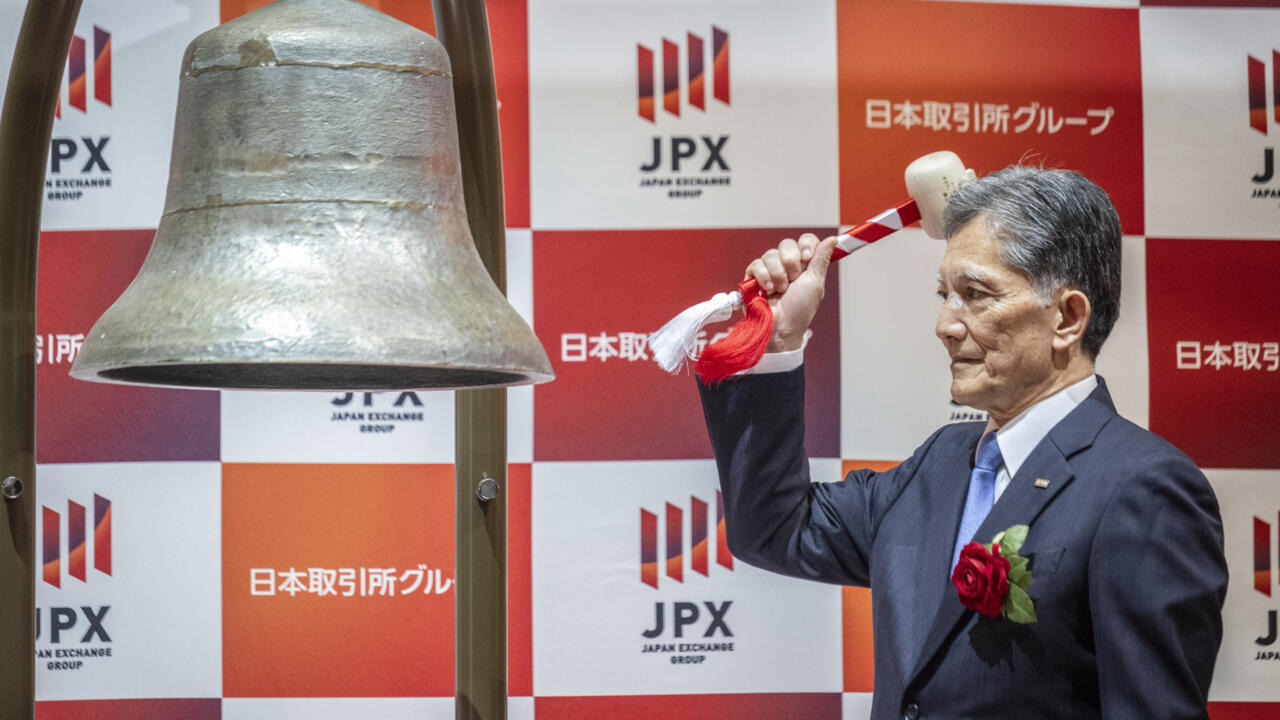
Shares of Kioxia (285A.T) surged 14% on their debut, giving the Bain Capital-backed memory chip manufacturer a valuation of over 890 billion yen ($5.80 billion). This marks one of Japan’s most significant IPOs in 2024, reflecting robust investor demand despite initial uncertainties.

IPO Highlights

Kioxia raised 120 billion yen, pricing its shares at 1,455 yen each, mid-range of the indicative price. The stock opened slightly lower at 1,440 yen but rallied to an intraday high of 1,689 yen before closing its first trading day at 1,601 yen.

CEO Nobuo Hayasaka expressed relief over the successful listing, emphasizing the company’s journey from its Toshiba origins to becoming an independent, publicly traded entity.

Background

Kioxia, formerly Toshiba Memory, was acquired by a Bain-led consortium for 2 trillion yen in 2018 after Toshiba was forced to sell its prized memory chip business due to financial distress. The acquisition marked a landmark private equity intervention in Japan’s corporate sector.

The IPO comes amid a recovery in Japan’s IPO market, with over $6 billion raised in 2024, its best performance since 2021 despite fewer overall listings.

Challenges and Market Reaction

  • Global Chip Market Uncertainty: Kioxia’s IPO was delayed multiple times, partly due to market volatility driven by U.S.-China trade tensions.
  • Valuation Adjustments: Bain Capital initially sought a 1.5 trillion yen valuation for Kioxia, but investor concerns led to a downward revision before the eventual IPO.
  • Investor Confidence: The IPO’s reception reflects strong demand for valuation discounts, with analysts noting a positive outlook for future private equity exits in Japan.

Current Ownership and Future Outlook

Post-IPO, Bain Capital’s stake in Kioxia has decreased to 50.7% from 56.2%. Despite public listing, Kioxia’s decision-making will remain aligned with Bain’s guidance.

The IPO has not advanced discussions with Western Digital, Kioxia’s long-term partner and potential merger candidate. However, Hayasaka reassured that the listing would not harm their relationship.

Financial Performance and Industry Competition

In the quarter ending September 30, Kioxia reported net income of 106 billion yen, up from 69.8 billion yen in the prior quarter, supported by an improving supply-demand balance in the memory chip market.

Analysts remain cautious about Kioxia’s long-term prospects due to fierce competition in the global memory chip market. Some worry that its valuation, at 4–5 times price-to-sales, may be difficult to sustain in a highly competitive industry.

Investor Sentiment

While some portfolio managers, such as Richard Kaye from Comgest, are skeptical about Kioxia’s valuation and growth potential, others see the IPO as a sign of Japan’s evolving market dynamics, particularly in the semiconductor sector.

Key Figures

  • IPO Price: 1,455 yen per share
  • Closing Price: 1,601 yen
  • Funds Raised: 120 billion yen
  • Valuation: 890 billion yen ($5.80 billion)

Outlook

Kioxia’s public listing offers new fundraising avenues in the capital-intensive semiconductor industry but also brings heightened scrutiny on its financials. The company aims to navigate its challenges while leveraging its strong market position in memory chips.


China’s Factory Activity Expands for Second Month Amid Stimulus and Trade Uncertainty

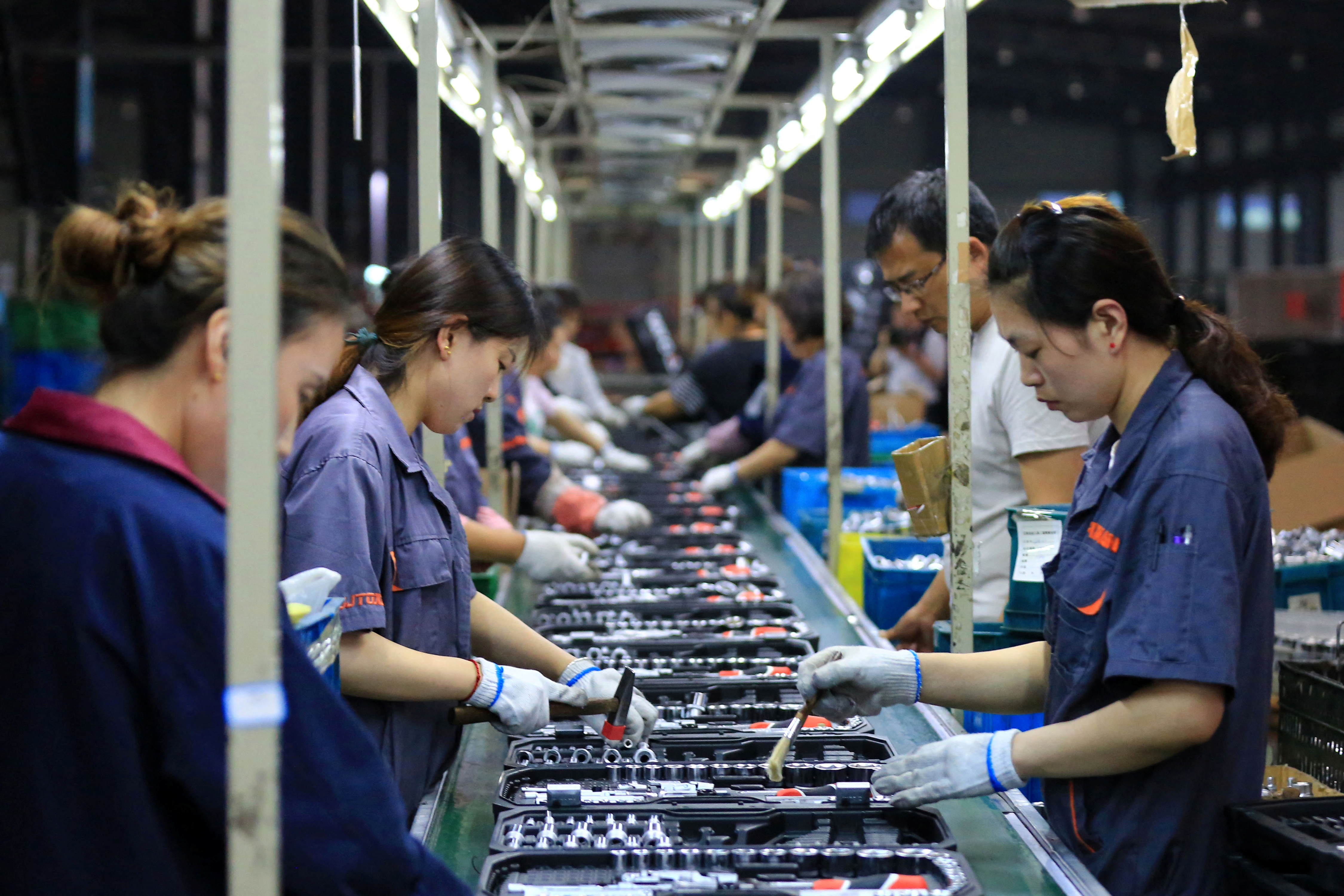
China’s manufacturing sector showed modest growth for the second consecutive month in November, with the official purchasing managers’ index (PMI) rising to 50.3, a seven-month high, up from October’s 50.1. This figure, released by the National Bureau of Statistics, exceeded expectations of 50.2 from a Reuters poll, signaling a recovery in the world’s second-largest economy. A reading above 50 indicates expansion, while below that signals contraction.

This improvement follows months of a sluggish manufacturing environment, where tumbling producer prices and declining orders weighed heavily on factory output. Two consecutive months of expansion suggest that Beijing’s recent stimulus measures are beginning to boost confidence across factory floors. However, potential trade tensions with the U.S., led by President-elect Donald Trump, cast uncertainty over the outlook for 2024.

Trump recently announced plans to impose a 10% tariff on Chinese goods, aiming to pressure Beijing to curb the production of chemicals used in fentanyl manufacturing. During his campaign, he also hinted at even steeper tariffs of up to 60%, presenting significant risks for China’s export-dependent industrial sector.

In October, Chinese exports surged unexpectedly, a rise attributed to factories accelerating shipments in anticipation of further U.S. and EU tariffs. Analysts fear that such preemptive gains may not translate into long-term stability.

Stimulus Boost but Demand Remains Insufficient
Economists point to fiscal and monetary policy adjustments since the Politburo meeting in late September as contributing to the improved PMI figures. Zhang Zhiwei, president of Pinpoint Asset Management, noted that these measures have provided temporary stabilization but cautioned that the 2025 outlook remains unclear.

“The looming trade war will delay corporate investment decisions, and while fiscal stimulus is expected, its scale and focus remain uncertain,” Zhang said. A key policy meeting in December may provide more clarity on China’s economic strategies for 2024.

The November PMI data revealed a mixed picture: total new orders grew for the first time in seven months, but export orders contracted for the seventh consecutive month. Zhang Liqun, an analyst at the China Logistics Information Center, highlighted that insufficient demand continues to constrain production. He emphasized the need for stronger government-driven public investments to stimulate enterprise orders.

Non-manufacturing PMI, which encompasses construction and services, dropped to 50.0 in November from 50.2 in October. While services sector activity showed modest growth for the second month, the overall trend underscores lingering weaknesses in the broader economy.

Government Stimulus and Signs of Recovery
China has introduced substantial stimulus packages to support its economy. A 10 trillion yuan ($1.38 trillion) debt program was unveiled earlier in November to address municipal financing challenges. The central bank’s September intervention, marking its largest since the pandemic, was aimed at steering the economy toward the government’s growth target of around 5%.

Early signs of economic recovery are emerging. Retail sales posted their strongest growth since February, while property sector declines began to narrow. However, industrial output slowed slightly in October, and industrial profits continued to decline, reflecting persistent challenges for businesses.

China’s November composite PMI, which includes manufacturing and services activity, remained steady at 50.8, further hinting at stabilization. Analysts await the private-sector Caixin factory survey, set to be released Monday, which is expected to edge up to 50.5.

Despite these signs of improvement, economic vulnerabilities persist. Policymakers are reportedly considering maintaining the 5% growth target for 2024 and implementing additional measures to bolster domestic demand.