Yazılar

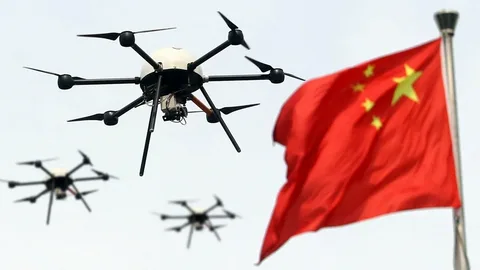
U.S. to Restrict Chinese Drone and Heavy-Duty Vehicle Imports Over Security Concerns

The Trump administration is preparing new rules that could restrict or ban imports of Chinese-made drones and medium-to-heavy duty vehicles, citing national security risks tied to foreign technology. The Commerce Department said Friday it expects to issue the regulations as soon as this month but did not provide details on the scope of the restrictions.

Chinese firms currently dominate the U.S. drone market, with DJI alone accounting for over half of all commercial drone sales. Washington has grown increasingly wary of Chinese technology embedded in vehicles and aircraft, warning that onboard computers, communications systems, flight controls, and data storage could expose U.S. infrastructure to espionage or cyberattacks.

The move builds on earlier measures targeting Chinese cars and trucks, with rules finalized in January under the Biden administration that will bar nearly all Chinese-made vehicles from the U.S. by late 2026. The Commerce Department has also opened national security probes into both drones and heavy-duty vehicles, which could pave the way for new tariffs.

Trump has already signed executive orders this year to boost domestic drone manufacturing and harden defenses against “threatening drones.” Meanwhile, Congress passed legislation in December, under Biden, that could eventually ban DJI and Autel from selling new drone models in the U.S.

The latest restrictions underscore bipartisan concern in Washington over supply chain dependence on China, as well as the push to secure strategic sectors like transportation and aerospace against foreign influence.
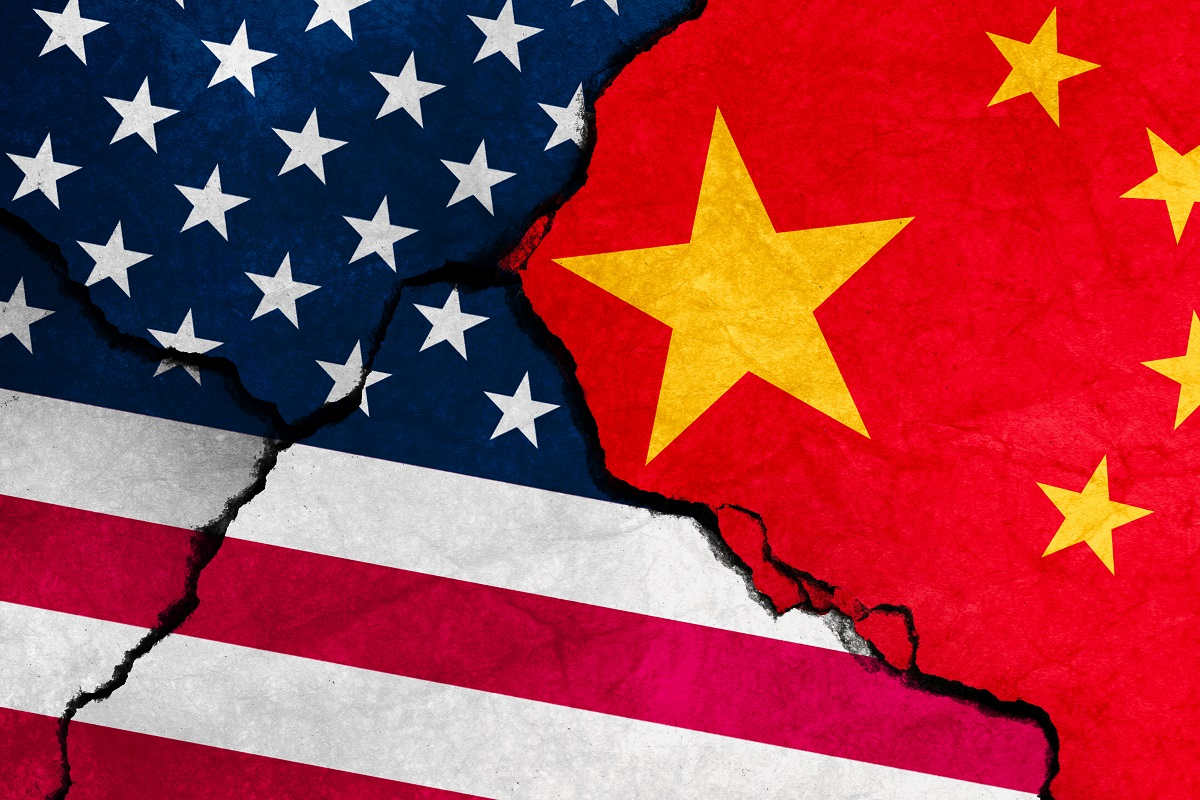
U.S. May Add More Chinese Tech Firms to Export Blacklist, Including CXMT

The U.S. Commerce Department is considering expanding its Entity List to include additional Chinese technology firms, including ChangXin Memory Technologies (CXMT) and subsidiaries of Semiconductor Manufacturing International Corporation (SMIC) and Yangtze Memory Technologies Co. (YMTC), a source familiar with the matter told Reuters.

The potential move is under review by the Bureau of Industry and Security (BIS), which oversees export controls on sensitive technologies. Companies added to the Entity List are effectively banned from receiving U.S. goods, software, and technology without a special license — one that is typically denied.

Strategic and Political Context:

  • The timing of the decision is reportedly complicated by a recent U.S.–China trade deal, according to the Financial Times, which first reported the news.

  • Inclusion on the list is reserved for entities deemed to be acting contrary to U.S. national security or foreign policy interests.”

Recent Escalations:

  • In January, the Biden administration added over two dozen Chinese entities, including:

    • Zhipu AI, a large language model developer

    • Sophgo, linked to chips produced by TSMC and allegedly incorporated into Huawei AI processors in violation of U.S. export rules

  • Those actions were accompanied by tighter controls to restrict chip flows that could indirectly support Huawei and other blacklisted firms.

Implications:

  • CXMT is a leading Chinese DRAM memory chipmaker and considered a strategic rival to U.S. memory firms such as Micron. Blacklisting CXMT would further strain U.S.–China tech relations.

  • Adding SMIC and YMTC subsidiaries would intensify U.S. efforts to curb China’s progress in semiconductor self-sufficiency and advanced chip production.

While no final decision has been announced, the move would signal a continued hardline stance on Chinese tech development, particularly in areas with potential military or surveillance applications.

Trump Calls for Repeal of $52.7 Billion Semiconductor Subsidy Law

Former President Donald Trump has called for the repeal of the landmark 2022 bipartisan CHIPS and Science Act, which allocated $52.7 billion in subsidies for semiconductor manufacturing and production. Trump, in a speech to Congress on Tuesday, criticized the act, describing it as a “horrible, horrible thing” and argued that the money allocated had not been effectively spent. He urged lawmakers to cancel the CHIPS Act and redirect the remaining funds towards reducing the national debt.

The CHIPS Act, signed by President Joe Biden in August 2022, includes $39 billion for U.S. semiconductor manufacturing, along with $75 billion in government lending authority aimed at bolstering the country’s tech industry and addressing national security concerns related to semiconductor imports. The law has been praised by Commerce Secretary Howard Lutnick, who previously expressed his desire to review the awards finalized under Biden’s administration, which facilitated major semiconductor firms such as Samsung, Intel, Taiwan Semiconductor Manufacturing Company (TSMC), and Micron in establishing factories in the U.S.

Trump’s remarks mark his strongest criticism of the CHIPS Act, suggesting that avoiding new tariffs would be sufficient to encourage domestic semiconductor production. Critics, however, argue that the law is crucial for securing investments, such as TSMC’s $100 billion plan to build five chip facilities in the U.S., which would create tens of thousands of jobs. New York Governor Kathy Hochul highlighted that Micron’s $100 billion investment in Central New York, which could generate 50,000 jobs, was a direct result of the CHIPS Act.

While Trump’s position may undermine the funding for key semiconductor projects, officials are concerned that repealing the law could harm Arizona’s semiconductor industry and jeopardize job creation. Recent reports also indicated significant layoffs within the U.S. Commerce Department, which oversees the semiconductor subsidies, raising questions about the future of the industry under a potential new administration.