
Yazılar

BRICS Nations Have No Intent to Undermine U.S. Dollar, Says Indian Foreign Minister

India’s Foreign Minister, Subrahmanyam Jaishankar, emphasized on Saturday that the BRICS nations—comprising Brazil, Russia, India, China, and South Africa—have no intention of weakening the U.S. dollar. Speaking at an event in Doha, Qatar, Jaishankar sought to dispel concerns regarding the bloc’s monetary policies and intentions.

His comments come in the wake of U.S. President-elect Donald Trump’s ultimatum to BRICS countries. Trump recently demanded that the bloc refrain from creating or supporting an alternative currency to replace the dollar. Failure to comply, he warned, could result in the imposition of 100% tariffs on goods from BRICS member nations.

Context and Background

The U.S. dollar has long dominated global trade and financial markets, with BRICS countries occasionally proposing mechanisms to reduce dependence on it for international transactions. However, Jaishankar’s statement underscored India’s stance that BRICS aims to enhance multilateral cooperation without disrupting the global economic order.

“The BRICS framework has always focused on promoting shared growth and balanced trade partnerships, rather than challenging existing systems,” Jaishankar stated.

Trump’s Stance on BRICS and Global Currency

Trump’s sharp rhetoric reflects his administration’s broader concerns about potential threats to the dollar’s supremacy in global trade. The president-elect has also consistently advocated for protective economic measures to shield the U.S. from perceived challenges posed by major emerging economies.

While some BRICS nations, particularly China and Russia, have explored alternatives to reduce dollar dependency—such as using local currencies for trade or discussing a potential BRICS currency—there has been no formal move to establish a competitor to the U.S. dollar.

India’s Diplomatic Position

India, as one of the leading voices within BRICS, has reiterated its commitment to global financial stability. Jaishankar stressed that any speculation about undermining the dollar is unfounded and counterproductive to fostering international economic cooperation.

The Indian foreign minister also hinted at the need for constructive dialogue between the U.S. and BRICS to address concerns rather than escalating tensions through unilateral measures like tariffs.

Euro Slides Amid French Political Uncertainty; Dollar Strengthens

The euro faced significant pressure on Monday, falling 0.57% to $1.05155 due to escalating political uncertainty in France. Prime Minister Michel Barnier is facing a Monday deadline to address budgetary demands or risk a no-confidence vote. This political instability has also weighed heavily on French markets, with CAC 40 index futures down 1.4%.

The far-right National Rally (RN) party, led by Jordan Bardella, indicated its likely support for the no-confidence motion unless last-minute budget compromises are made. If Barnier’s government collapses, analysts expect the euro to experience further downward pressure, especially against the Swiss Franc, according to HSBC’s global FX research head, Paul Mackel.

Dollar Gains Momentum Ahead of Key U.S. Fed Decisions

The U.S. dollar strengthened, supported by global economic factors and comments from President-elect Donald Trump cautioning BRICS nations against moves to replace the greenback in global trade. The dollar index rose 0.24% to 106.28.

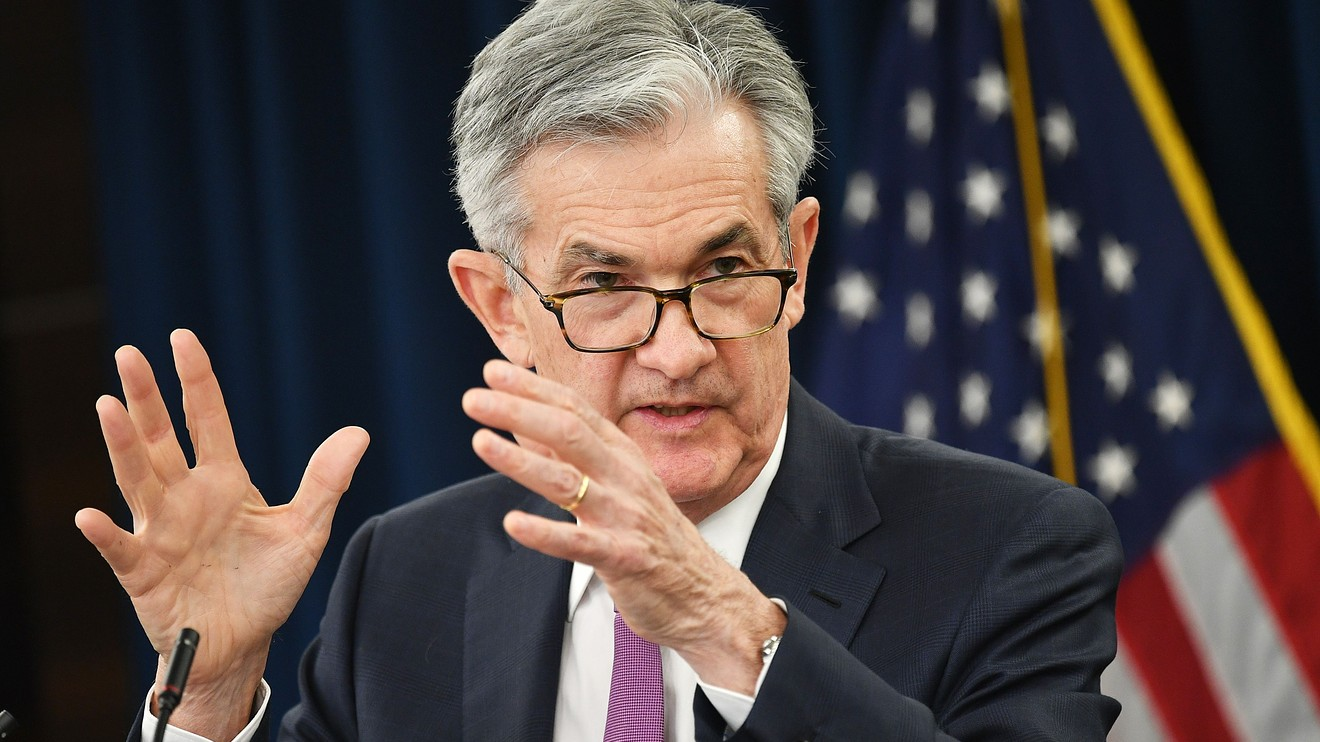
This week is pivotal for the U.S. Federal Reserve, as traders await Friday’s payroll report, which could influence the Fed’s decision on a potential rate cut on December 18. Fed Chair Jerome Powell is set to speak on Wednesday, with markets pricing in a 66% probability of a 0.25% rate reduction.

Global Market Movements and Commodities Update

In Asian markets, Chinese stocks gained after strong manufacturing survey data. The Hang Seng Index inched up 0.16%, while mainland Chinese blue-chip stocks climbed 0.6%. U.S. markets also remained strong, with the S&P 500 and Nasdaq closing at record highs in a holiday-shortened session last week.

In the commodities sector:

  • Gold: Fell 1% to $2,627.71 under pressure from the strengthening dollar, following its worst monthly performance since September 2023.
  • Oil: Rose after robust Chinese manufacturing data and continued geopolitical tensions in the Middle East. Brent crude futures gained 0.8% to $72.41 per barrel, and U.S. crude increased by 0.87% to $68.59.

Cryptocurrency Highlights

Ether surged to a six-month high of $3,762.20 before settling at $3,674.44, up 2%. Bitcoin hovered near its all-time high, trading at $96,434, close to the November 22 record of $99,830.

Outlook

Political uncertainty in France and global economic factors are likely to remain key drivers for the euro and broader market movements. Investors will closely watch U.S. Federal Reserve signals this week for further direction, while geopolitical tensions and shifting market dynamics continue to shape commodity and currency trends.


What a U.S. Federal Reserve Rate Cut Could Mean for the Global Economy

The U.S. Federal Reserve is widely expected to implement its first interest rate cut since the Covid-19 pandemic. Although anticipated, global investors are bracing for significant impacts, as the Fed’s decisions ripple through international markets.

Many central banks, including those in the eurozone, U.K., and Canada, have already cut rates, responding to sluggish growth and declining inflation. However, analysts have speculated that further rate cuts might be limited without the Fed moving in tandem, given its significant global influence.

Global Impact of Fed Rate Cut:
A key concern tied to a Fed rate cut involves the effect on global currencies. Higher interest rates typically attract more foreign investment, strengthening the local currency. In the current cycle, countries like Japan and Turkey have experienced currency devaluation due to low interest rates, while the U.S. dollar surged in 2022, driven by aggressive Fed rate hikes. A weaker currency can trigger inflation by increasing the cost of imports, complicating inflation management for some central banks.

Beyond currencies, the Fed’s decisions directly impact the U.S. economy, particularly with growing concerns about a softening labor market and potential recession. This, in turn, affects global asset prices. Gold, which has seen record highs, is influenced by both inflation fears and market uncertainty. Commodities such as oil, often priced in U.S. dollars, may see demand rise following a rate cut due to lower borrowing costs stimulating economic activity.

Emerging markets, heavily influenced by U.S. monetary policy, are especially vulnerable. Interest rate cuts in the U.S. lower the cost of borrowing dollars, which eases liquidity for global companies. However, lower U.S. yields may also redirect investments to other markets, making them relatively more attractive.

Uncertainty Surrounding the Fed’s Next Move:
While investors are confident about an upcoming rate cut, uncertainty lingers over how deep the cut will be and how quickly the Fed will proceed with additional reductions. Market speculations suggest the first cut could range from 25 to 50 basis points, but concerns about economic growth have pushed many to favor a more significant reduction. Historically, large rate cuts have signaled deeper economic challenges, as seen during the 2007 financial crisis and the tech bubble in the early 2000s.

Some analysts caution that while a rate cut may relieve market stress in the short term, it could foreshadow longer-term economic struggles. However, others argue that the current economic data remains inconclusive, allowing equities to hold steady until more definitive economic trends emerge.