Quad Expands Maritime Security Cooperation at Biden’s Final Summit
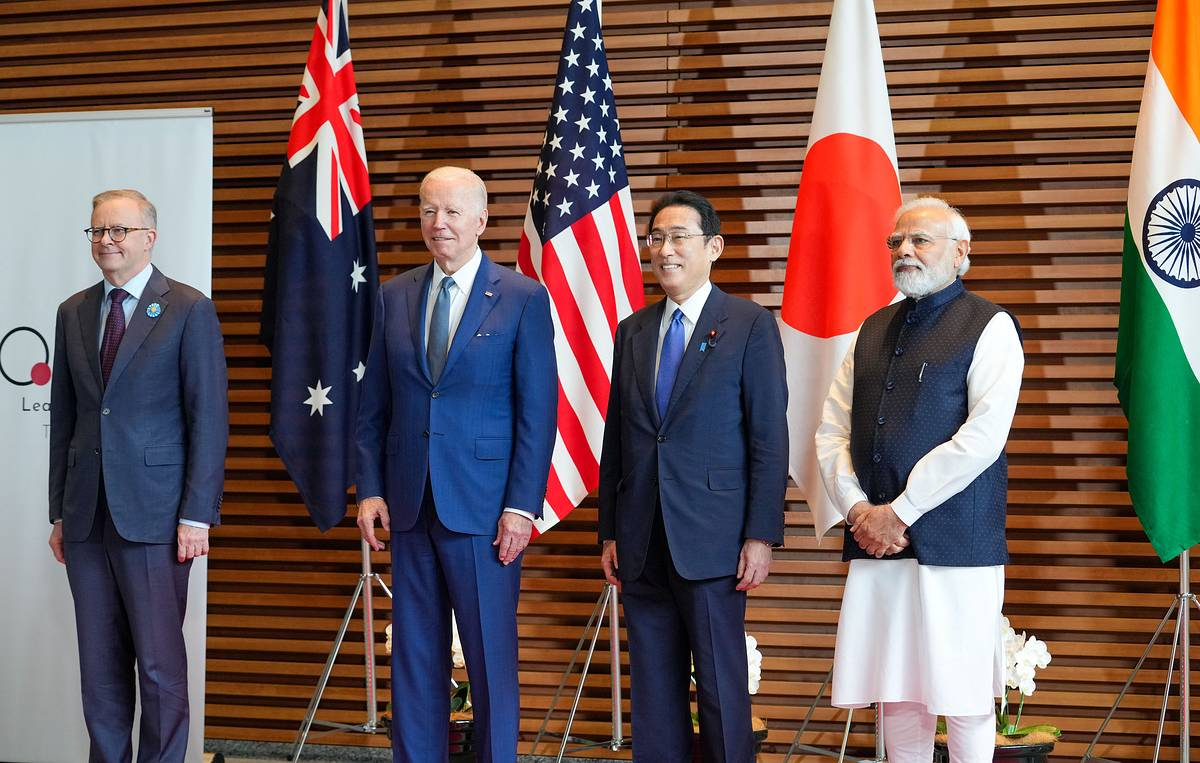
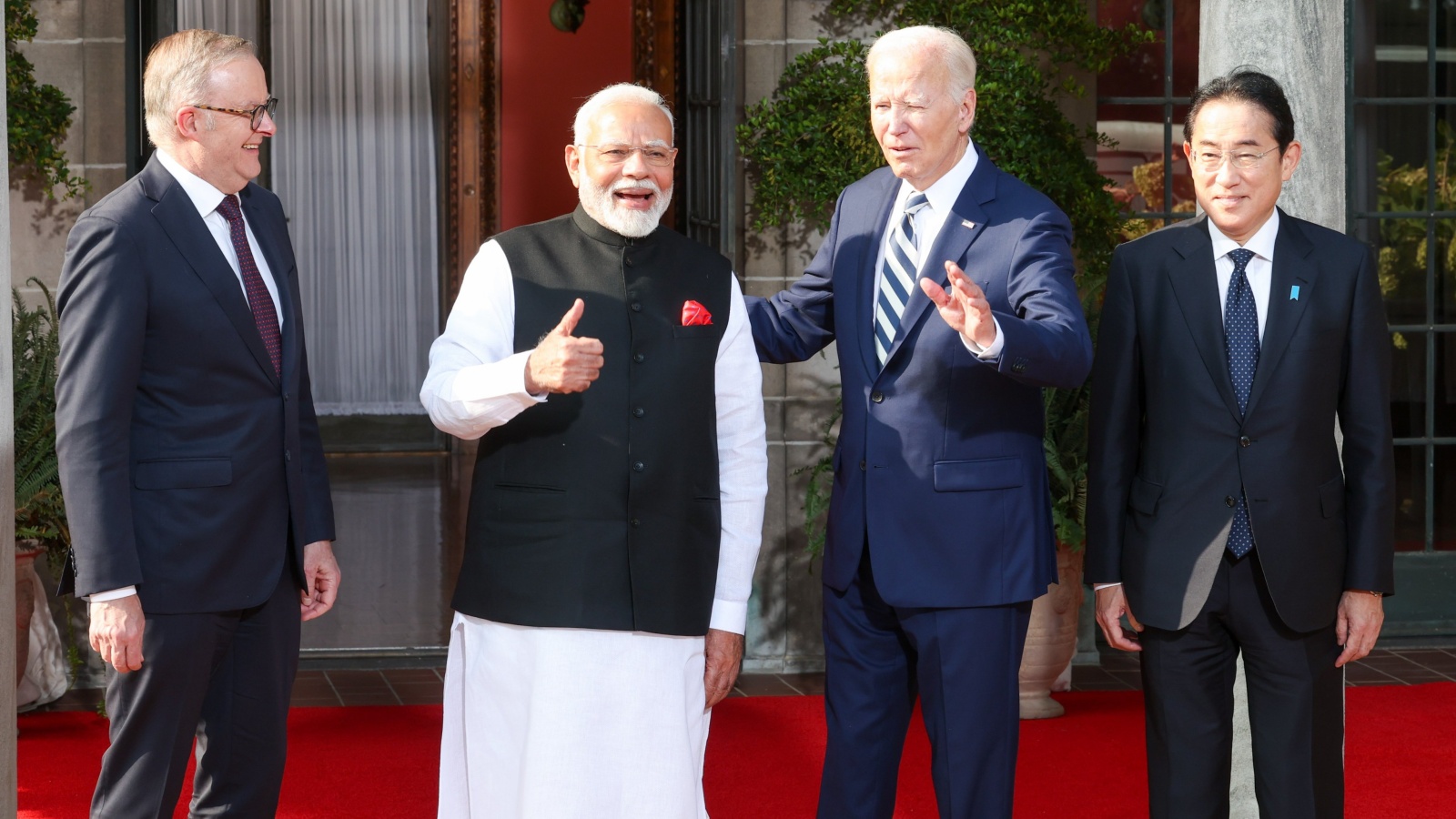
Leaders of the Quad nations—Australia, India, Japan, and the United States—strengthened joint security measures in the strategically vital Indo-Pacific region during U.S. President Joe Biden’s final summit as president. The meeting, held near Biden’s Delaware hometown on Saturday, focused on maritime cooperation, reflecting shared concerns over China’s assertiveness in Asia’s waters.
Biden, alongside Japanese Prime Minister Fumio Kishida, Indian Prime Minister Narendra Modi, and Australian Prime Minister Anthony Albanese, highlighted the importance of maintaining the Quad partnership, which he considers a key foreign policy success of his presidency. The group announced plans for joint coast guard operations next year, with Australian, Japanese, and Indian personnel set to work aboard a U.S. coast guard vessel. Enhanced military logistics cooperation was also discussed, although the exact locations of these operations were not specified.
The leaders plan to expand the Indo-Pacific Partnership for Maritime Domain Awareness, initially launched two years ago. This move signals a shift in the Quad’s focus toward security, a response to increasing concerns about China’s influence in the region. In their joint statement, the leaders condemned “coercive and intimidating maneuvers” in the South China Sea, although they avoided directly naming China. Analysts believe the Quad’s maritime initiatives send a clear message to Beijing, which views the Quad as an attempt to encircle China and increase regional tensions.
Biden acknowledged that while China may be adjusting its tactics, its strategy remains unchanged, continuing to challenge the U.S. in the South and East China Seas and the Taiwan Strait. He suggested that Chinese President Xi Jinping is prioritizing domestic economic issues while seeking diplomatic space to advance China’s interests.
China claims nearly the entire South China Sea, overlapping with territories claimed by the Philippines, Brunei, Malaysia, and Vietnam, as well as contested areas in the East China Sea with Japan and Taiwan. The Quad leaders also took a firm stance on North Korea, condemning its missile launches and “malicious cyber activity,” while expressing concern over Russian support for North Korea.
In addition to security, the Quad is expanding its efforts in critical technologies, including an open radio access network, to benefit the Pacific Islands and Southeast Asia—regions where competition with China is intensifying. A new health initiative aimed at combating cervical cancer was also announced.
India, which has traditionally been cautious about military alliances, is reportedly becoming more open to Quad security cooperation in light of China’s recent maritime actions. Lisa Curtis, an Asia policy expert, suggested that India’s stance on the Quad’s military role could be evolving due to these increasing tensions.
Biden’s hosting of the summit is seen as part of an effort to institutionalize the Quad as a lasting framework, especially as leadership transitions approach in Japan, Australia, and the U.S. Asked about the Quad’s future, Biden confidently declared the group “here to stay.”
Australian Prime Minister Albanese praised the Quad’s joint coast guard initiative, emphasizing the importance of interoperability between the four nations. Before the summit, Albanese met with Biden at his home to discuss defense and security cooperation, particularly in the Indo-Pacific.
Since its elevation to a leader-level group in 2021 under Biden, the Quad has enjoyed bipartisan support in the U.S., exemplified by the formation of a congressional Quad Caucus ahead of the summit.