
Yazılar

At US Request, India Arrests Crypto Administrator Accused of Money Laundering

Indian authorities arrested Aleksej Besciokov, a cryptocurrency exchange administrator, at the request of U.S. authorities. Besciokov, who is accused of being involved in a money laundering conspiracy and violating sanctions, was arrested in Kerala, India, by the Central Bureau of Investigation (CBI). The arrest comes after the U.S. Justice Department charged him with money laundering and operating an unlicensed money-transmitting business, among other violations.

Besciokov is linked to the Russian cryptocurrency exchange Garantex, which was dismantled by the U.S., Germany, and Finland. The U.S. Justice Department revealed that Garantex had facilitated over $96 billion in cryptocurrency transactions since April 2019. The U.S. had sanctioned the exchange in April 2022 due to its involvement in illicit financial activities.

The CBI confirmed that Besciokov had planned to flee India, though it remains unclear why he was in the country. A provisional arrest warrant was issued by India’s foreign ministry at the U.S. request, and Washington is now expected to pursue Besciokov’s extradition.

The takedown of Garantex is seen as a significant move in the fight against illicit finance, according to TRM Labs, a blockchain research company. However, they warned that sanctioned exchanges may create new entities to evade restrictions, suggesting that the battle against illegal financial activity is far from over.

US Removes Malware Allegedly Planted by Chinese-Backed Hackers

The U.S. Justice Department announced on Tuesday that it had successfully removed malware, known as “PlugX,” from over 4,200 computers that had been targeted by a group of hackers linked to the Chinese government. The malware, which had been used to steal sensitive information, was installed through infected USB devices by a group identified as “Mustang Panda” or “Twill Typhoon.”

The hackers, allegedly backed by the Chinese government, used PlugX for cyber-espionage, affecting thousands of computers globally. According to U.S. prosecutors, the Chinese government paid the Mustang Panda group to develop the malware. The hacking campaign has been active since at least 2014, targeting computers in the U.S., Europe, and Asia, as well as those belonging to Chinese political dissidents.

Cybersecurity company Sekoia traced the command-and-control infrastructure for PlugX and collaborated with French law enforcement to seize control of it in July 2024. In coordination with French authorities, the FBI identified devices in the U.S. affected by the malware and worked to send self-delete commands to remove it from those devices.

The operation marks a significant step in international cooperation to counteract cyber threats linked to state-sponsored hackers, with U.S. officials emphasizing the importance of protecting critical infrastructure from such sophisticated attacks.


US Government Files Complaint Against Fintech App Dave and CEO for Alleged Violations

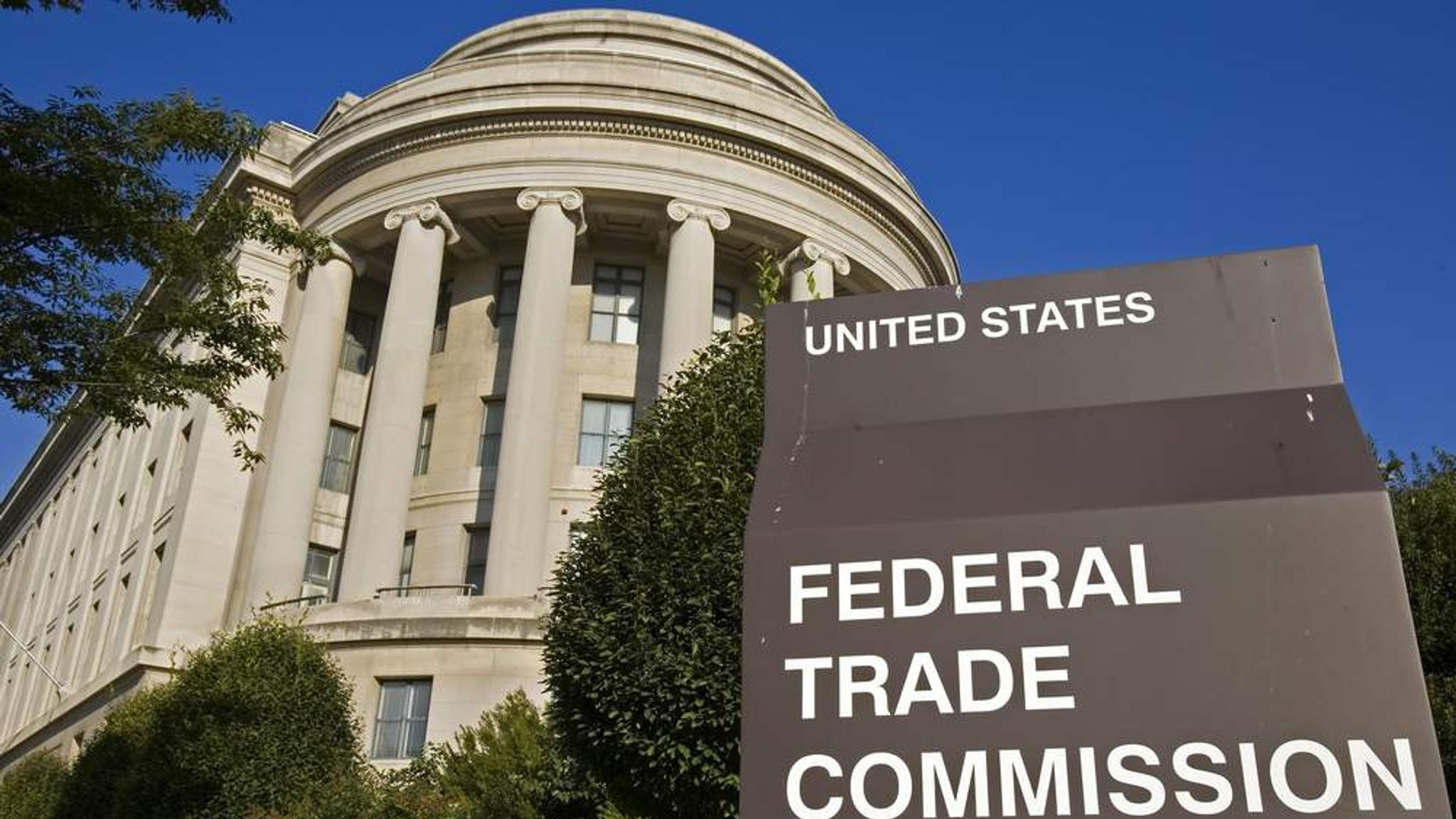
The U.S. Justice Department has filed a civil enforcement action against financial technology company Dave (DAVE.O) and its CEO Jason Wilk, alleging violations of federal law. The complaint, filed on Monday, is accompanied by claims from the Federal Trade Commission (FTC) regarding deceptive advertising and improper business practices linked to Dave’s personal finance app.

The government accuses Dave of misleading consumers by advertising cash advances of up to $500 that many users never receive. Additionally, the complaint alleges the company misrepresented how customer tips were used, charged hidden fees, and imposed recurring monthly charges without providing an easy way for users to cancel.

The Justice Department seeks consumer redress, civil penalties, and a permanent injunction to prevent future violations. Dave, in response, disputes many of the claims, stating that they are incorrect, and has introduced a new fee structure to eliminate tips and “express fees” previously associated with instant cash advances. These changes began with new customers on or after December 4 and are also being applied to existing customers.

The current complaint amends a previous FTC complaint from November, which had only named Dave as the defendant and did not seek civil penalties.