Harris Criticizes Trump’s Arlington Cemetery Visit as Disrespectful Political Stunt
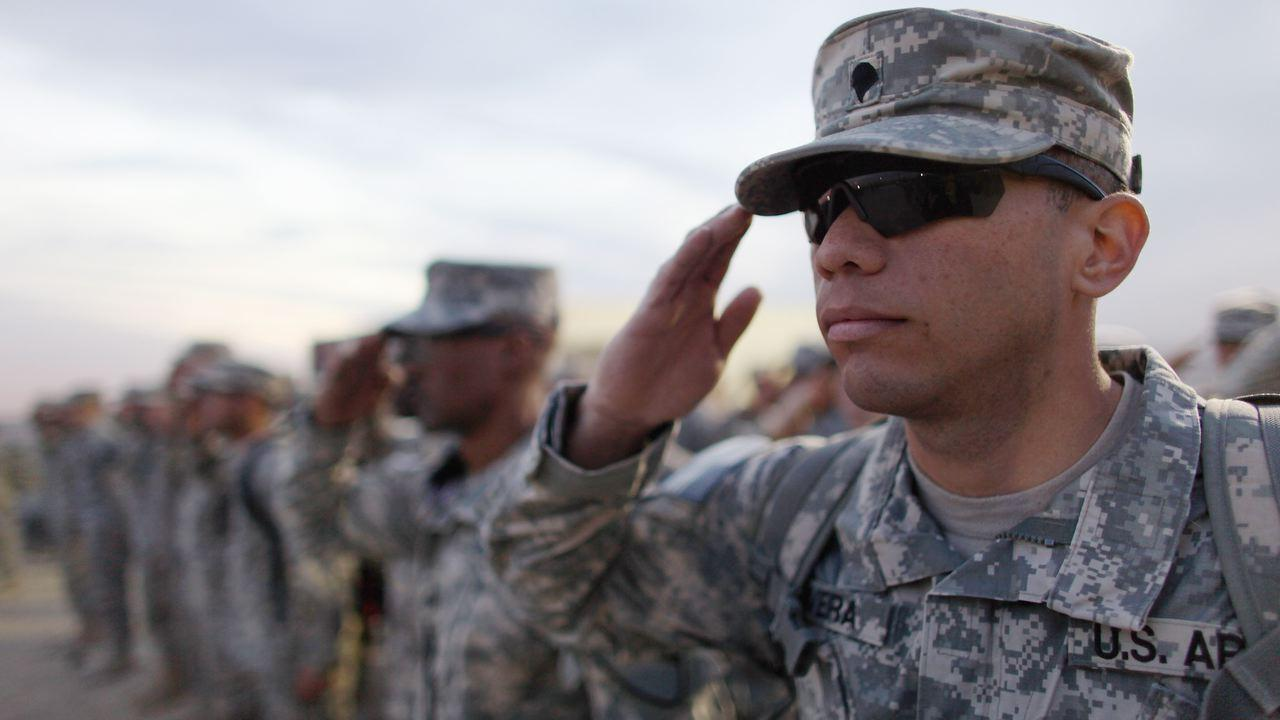
/in Business/tarafından ayaksızU.S. Vice President Kamala Harris has condemned former President Donald Trump for using footage from a solemn visit to Arlington National Cemetery in a campaign video. Harris expressed her criticism in a post, describing the cemetery as a sacred space that should not be exploited for political gain. Trump’s visit on Monday included a wreath-laying ceremony to honor the 13 servicemembers who were killed during the chaotic U.S. withdrawal from Afghanistan in 2021, and he also visited Section 60, where many soldiers who died in recent conflicts are buried. While Arlington National Cemetery is regarded as hallowed ground, federal laws and Pentagon policies prohibit political activities in the area.
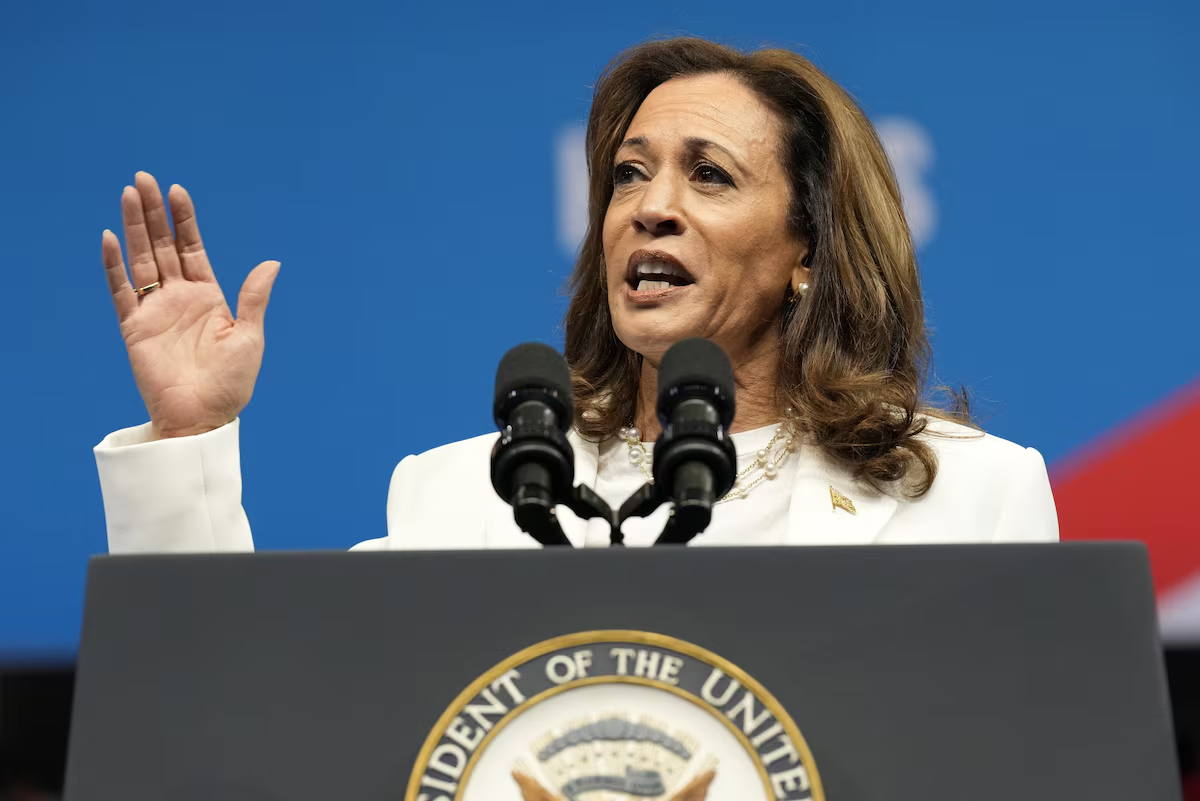
Trump’s campaign shared a TikTok video featuring footage from his visit, sparking backlash from some veterans and military families. Critics accused the former president of disrespecting the sanctity of the cemetery by turning the solemn occasion into a political spectacle. Harris responded to the incident five days later, reinforcing her disapproval of Trump’s actions. “The former president disrespected sacred ground, all for the sake of a political stunt,” Harris stated, condemning his use of the visit for campaign purposes.
The controversy grew when Trump defended his visit, claiming that the families of fallen servicemembers had requested his presence at the cemetery. During a speech in Pennsylvania, Trump recounted how families asked him to visit their loved ones’ graves and take photos with them, which he said he did at their request. Trump also pushed back against Harris’ criticism, sharing videos on his Truth Social account of relatives of several servicemembers killed in the Afghanistan pullout, who supported his actions at the cemetery and questioned why Harris had not reached out to them herself.
The debate over Trump’s visit to Arlington Cemetery is intertwined with broader political tensions related to the 2021 Afghanistan withdrawal, which Trump has sought to pin on President Joe Biden and Vice President Harris. Trump has frequently criticized the chaotic nature of the pullout, using it as a talking point against the Biden administration. In response, Harris highlighted Trump’s past behavior toward military veterans, reminding the public of previous incidents in which Trump allegedly disparaged fallen soldiers as “suckers” and “losers.” Harris’ comments referenced Trump’s history of controversial statements, including his remarks about the late Senator John McCain, whom Trump once claimed was not a war hero despite McCain’s years as a prisoner of war in Vietnam.
The incident is part of a broader narrative in the 2024 presidential election, as Harris continues to navigate her candidacy after Biden withdrew from the race in July. With a crucial debate scheduled for September, the vice president’s sharp rebuke of Trump may signal how she plans to address military and veterans’ issues during the campaign. However, the impact on the veterans’ vote remains uncertain. While Trump’s critics highlight his contentious relationship with the military, the Pew Research Center’s findings show that veterans generally lean toward the Republican Party.
As both candidates prepare for their next political showdown, the use of Arlington National Cemetery in campaign materials has reignited discussions on the boundaries between respect for military service and political maneuvering. Whether this controversy will sway voters, particularly among military families, remains to be seen.