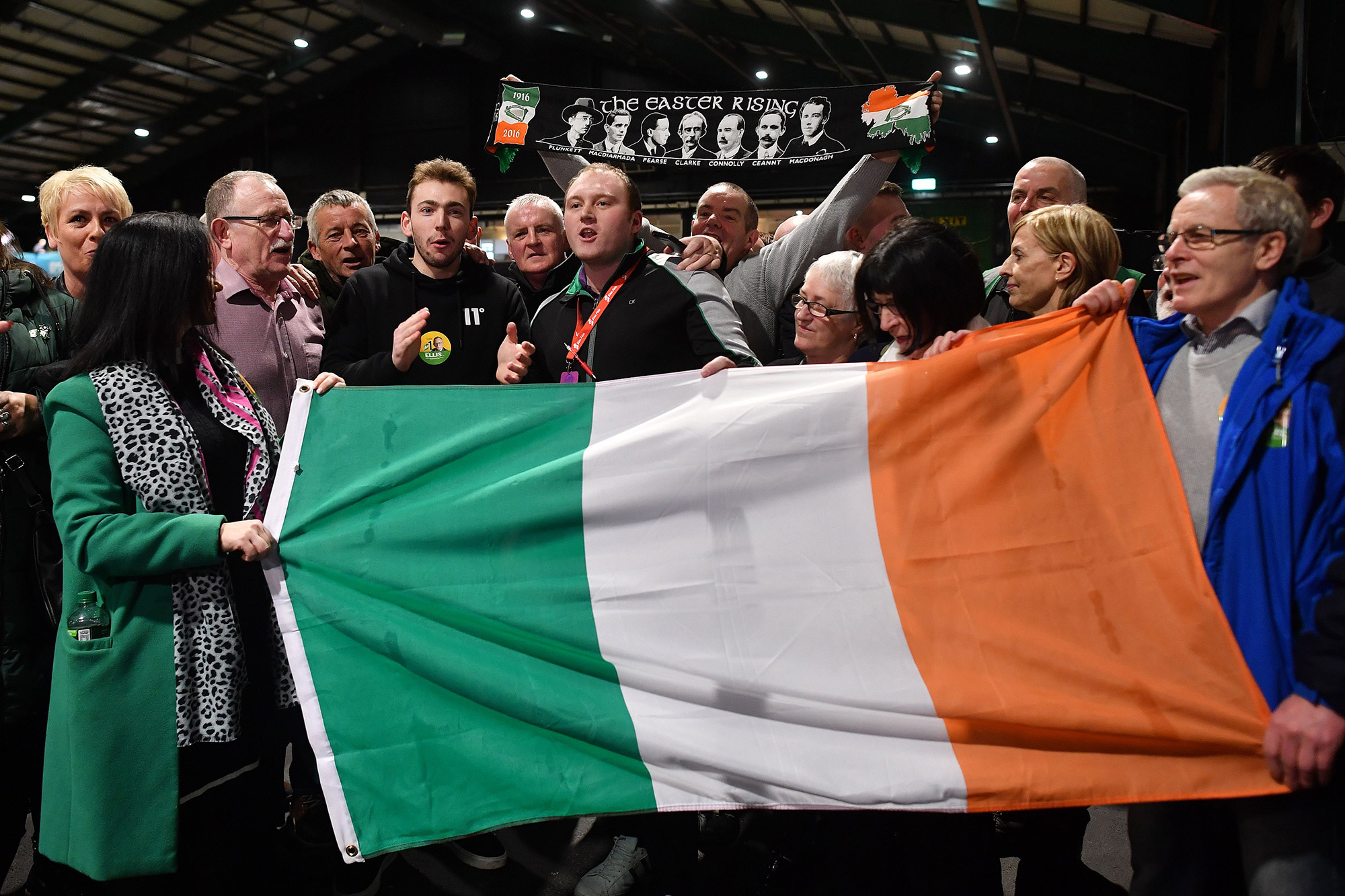
A Key Election in Ireland
Ireland is heading to the polls on November 29, with the center-right parties Fianna Fáil and Fine Gael expected to once again form the nucleus of the country’s next government. The two parties, which have shared power alongside the Green Party over the past five years, continue to lead in the polls as the election campaign enters its final stretch.
The country faces a range of economic challenges and opportunities as it prepares for the election. While Ireland is benefiting from a budget surplus fueled by its role as a European headquarters for major U.S. tech and pharmaceutical companies, the election outcome may shape how the country manages this growth. A significant factor in Ireland’s economic windfall is a September ruling from the European Court of Justice, which ordered Apple to pay 13 billion euros ($13.7 billion) in back taxes to the country.
However, there are concerns in Dublin about the potential implications of a Donald Trump presidency. The incoming U.S. president-elect has expressed intentions to crack down on U.S. companies paying taxes abroad, particularly in countries like Ireland. This looming policy shift could impact Ireland’s position as a tax-friendly haven for U.S. businesses.
The Political Landscape
The latest Irish Times/Ipsos B&A poll shows support for Fine Gael has dropped by six points, leaving the party at 19%. Fianna Fáil holds a lead at 21%. Republican Party Sinn Féin, which gained significant ground in the previous general election, is polling at 20%, while independent candidates have 17% support. With Ireland’s proportional voting system, a coalition government is likely, as no party is expected to secure an outright majority.
While housing is a central issue, with the Central Bank of Ireland warning about a decade-long under-supply in the housing market, other significant policy concerns, such as economic strategy and government spending, will likely shape the direction of the new government.
Housing Crisis and Economic Outlook
Homelessness, particularly in Dublin, has reached record levels, with nearly 15,000 people in emergency accommodation, including 4,561 children. Despite these challenges, economist Emma Howard from TU Dublin highlights Ireland’s appeal to workers, noting its status as the only English-speaking country with access to the European Single Market, alongside a relatively younger and more educated workforce compared to other European nations.
On the positive side, Ireland’s finances are on strong footing. The country has seen a budget surplus for the past two years, with Finance Minister Jack Chambers predicting a surplus of up to €24 billion for 2023. The country’s financial health was further boosted when S&P Global Ratings upgraded its outlook for Ireland to “positive,” with the potential for an AAA rating if the country continues to rebuild economic buffers.
However, Howard warns that the “windfall” from corporate taxes, largely driven by multinational U.S. companies, distorts the true state of Ireland’s finances. Without this influx, Ireland would face a deficit, and the country’s current spending plans would result in a €50 billion shortfall over the next six years.
Risks from Trump’s “America First” Policy
The re-election of Donald Trump presents a significant risk for Ireland, especially as Trump seeks to implement his “America First” policy. One concern is the potential for Ireland to lose its status as a tax haven for U.S. companies. The country’s corporate tax rate is among the lowest in the Eurozone, making it an attractive destination for foreign businesses, particularly tech giants like Apple and Google.
Incoming U.S. Commerce Secretary Howard Lutnick has already signaled discontent with Ireland’s trade surplus with the U.S., calling it “nonsense” and hinting at potential action. Lutnick’s position could strengthen his influence over the U.S. Trade Representative’s office under the Trump administration. Moreover, Trump himself has personal business interests in Ireland, owning a golf club in the country, which could complicate the relationship further.
Conclusion
As Ireland prepares to head to the polls, the country’s leaders will have to balance ongoing challenges—such as the housing crisis, homelessness, and a potential change in the U.S. policy toward corporate taxation—with the opportunities presented by the country’s robust financial position. The election results could have significant implications for Ireland’s political and economic future, particularly as it navigates its relationship with the incoming Trump administration.