
Yazılar

U.S. Designates Extreme Right-Wing “Terrorgram” Network as Terrorist Group

The U.S. government has taken a significant step in addressing extremist online networks by designating the “Terrorgram” collective as a terrorist group. This move, announced on Monday, comes with sanctions aimed at individuals and the group itself, accusing them of promoting violent white supremacy.

The U.S. State Department officially labeled the group, which primarily operates on the Telegram platform, as a Specially Designated Global Terrorist organization. In addition to the group, three of its leaders—located in Brazil, Croatia, and South Africa—were also sanctioned. These measures freeze any assets linked to the group in the U.S. and prohibit American individuals from engaging with them.

The State Department detailed that “Terrorgram” has been responsible for motivating and facilitating violent attacks, including a 2022 shooting outside an LGBTQ bar in Slovakia, a planned 2024 attack on energy facilities in New Jersey, and an August knife attack at a mosque in Turkey. The group is known for its promotion of violent white supremacist ideologies, inciting violence against perceived enemies, and providing guidance on attack methods and targets. These include critical infrastructure and government officials, as well as marginalized communities such as Black, Jewish, LGBTQ individuals, and immigrants.

In response, Telegram stated that it has a zero-tolerance policy for calls to violence and noted that it had previously removed several channels associated with “Terrorgram.” The platform emphasized that any similar content is swiftly banned upon detection.

Earlier this year, U.S. prosecutors charged two individuals linked to “Terrorgram,” accusing them of using the Telegram platform to incite a race war by soliciting attacks against various minority groups. The United Kingdom also moved to classify the “Terrorgram” collective as a terrorist organization in April, making it illegal to belong to or promote the group in the country.

This designation is part of a broader effort by U.S. President Joe Biden to combat domestic terrorism, particularly white supremacy. The Biden administration’s 2021 National Strategy for Countering Domestic Terrorism included measures to identify and prosecute such threats while also creating deterrents to prevent U.S. citizens from joining dangerous extremist groups.

Huawei Launches Mate 70 with Own HarmonyOS, Moving Away from Android

Huawei has introduced its latest flagship, the Mate 70 smartphone, marking a significant milestone in its post-Android journey. The device, priced at 5,499 yuan ($760), is powered by Huawei’s own HarmonyOS Next, a departure from Android-based applications. This move underscores Huawei’s ongoing efforts to protect itself from further U.S. sanctions, which have restricted access to foreign technology.

At the launch event, Richard Yu, chairman of Huawei’s consumer business, described the Mate 70 as the company’s most powerful phone in the Mate series, highlighting that HarmonyOS Next is a “pure-blooded” technology developed entirely by Huawei’s engineers. From 2024 onward, all of Huawei’s new smartphones and tablets will run on HarmonyOS, signaling the company’s intent to break away from the Android ecosystem entirely.

The Mate 70 succeeds last year’s Mate 60 series, which surprised the tech industry with its advanced chip technology despite stringent U.S. export controls. This success, along with the introduction of the Mate 60 Pro in August 2023, has reignited interest in Huawei’s high-end smartphones and brought the company back into the premium segment.

Lucas Zhong, a research analyst at Canalys, described the release as a “critical step” for Huawei’s software strategy, emphasizing that moving away from Android would be crucial for the company to strengthen consumer loyalty and attract users looking for alternatives to Google’s and Apple’s operating systems.

Huawei has seen significant growth in the Chinese market, especially in the premium segment. According to Canalys, the company’s share of phones priced over $600 surged from 11% in Q3 2022 to 33% in the same period this year. In contrast, Apple’s share of this market dropped from 72% to 52%.

Huawei, once the world’s second-largest smartphone maker, has struggled since being placed on a U.S. trade blacklist in 2019, which restricted its access to key technologies, including Google’s Android operating system. As a result, Huawei was forced to sell its budget mobile brand, Honor, in a bid to survive.

The original HarmonyOS was introduced in August 2019, supporting Android-based apps, after Huawei’s U.S. blacklisting. Over time, the company has invested heavily in developing a fully homegrown operating system and has gained support from major Chinese tech firms to build a compatible app ecosystem.

Huawei aims to develop a robust application ecosystem for HarmonyOS, with plans to have 100,000 apps available within a year. Eric Xu, Huawei’s former rotating chairman, has stated that building this ecosystem in China first is key to eventually expanding it globally.

Analysts predict that the Mate 70 series could see over 10 million shipments over its lifetime. However, building a competitive ecosystem for HarmonyOS will take time, as the company works to expand its developer community.


Exclusive: Iran Delivered Missiles to Russia Without Launchers, Sources Say

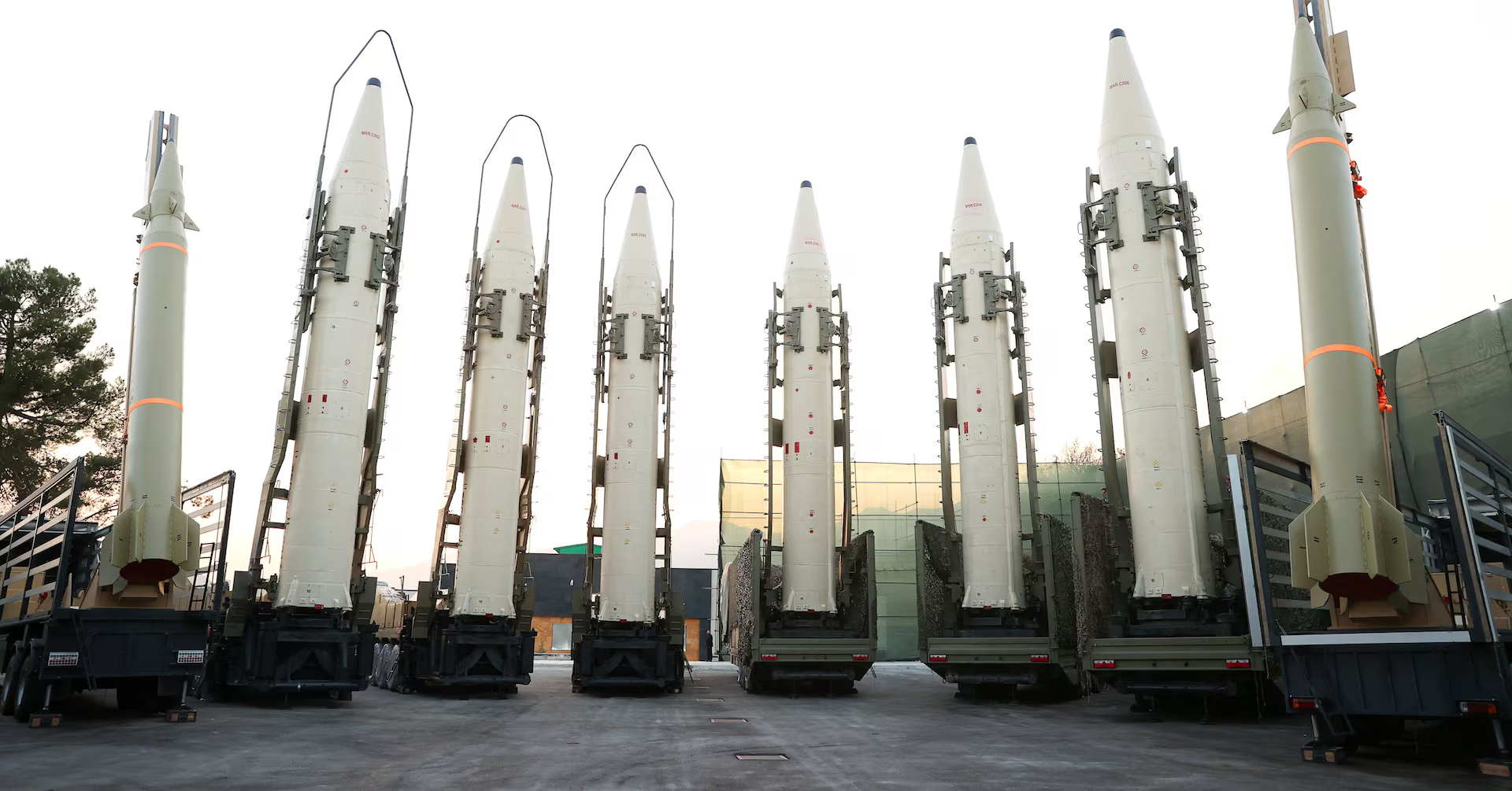
Iran has supplied close-range ballistic missiles to Russia, according to sources, but notably withheld mobile launchers, creating uncertainty about when these missiles will be operational. This development follows last week’s U.S. accusation that Tehran provided Moscow with Fath-360 missiles for use in the war against Ukraine.

Three officials—a European diplomat, a European intelligence official, and a U.S. official—confirmed Iran’s delivery of the missiles but emphasized that no launchers accompanied them. The reasons for this are unclear, but experts have suggested multiple possibilities. Some believe Russia may modify civilian trucks to launch the missiles, similar to what Iran has done. Others speculate Iran’s decision could be a diplomatic maneuver, leaving room for potential negotiations with Western powers to ease tensions.

Iran denies providing missiles or drones to Russia, despite accusations from Ukraine and the West that these weapons are being used to target military and civilian infrastructure. U.S. Secretary of State Antony Blinken stated that the Fath-360 missiles were delivered and would likely be used in Ukraine soon. The missile, which can travel at speeds four times the speed of sound and has a range of up to 75 miles, poses a significant threat to Ukraine, particularly as it continues to adapt its air defenses to Russian innovations.

The absence of launchers complicates matters for Russia, as ballistic missiles require specially designed launchers to be fired. Some analysts suggest that Russia could modify its military-grade vehicles to serve this purpose. Iran has previously used modified civilian trucks, but these may not be suitable for Ukraine’s harsh winter conditions.

The delivery of these missiles comes amid increasing sanctions on Iran by the United States and its European allies. New sanctions target Iran’s aviation sector, among other areas, and further measures are being considered by the European Union.

Meanwhile, Iran’s new president, Masoud Pezeshkian, is expected to engage in diplomatic talks with European officials during the U.N. General Assembly, where issues related to Iran’s missile deliveries, nuclear program, and regional tensions are likely to be discussed. Analysts speculate that Iran’s withholding of the missile launchers could be a tactical move ahead of these talks to avoid further condemnation.

Despite the potential for diplomacy, experts are skeptical about any significant breakthroughs, given Iran’s history of maintaining its stance on key issues.