Yazılar

Chinese AI Firm iFlyTek Plans European Expansion Amid Rising US-China Trade Tensions

Chinese artificial intelligence company iFlyTek is eyeing expansion in Europe as tensions between the United States and China escalate. Vice President Vincent Zhan revealed the company’s strategy at the Mobile World Congress in Barcelona, acknowledging the impact of the ongoing U.S.-China trade war on its business.

Zhan pointed out that North America, the company’s largest market outside of China, has faced challenges due to the rising trade barriers. In light of new tariffs imposed by U.S. President Donald Trump, iFlyTek is seeking to diversify its supply chain and reduce dependency on the North American market.

The latest tariffs introduced by Trump target several Chinese electronics categories, including smartphones, laptops, and smart devices. Additionally, Biden’s administration had previously imposed tariffs on Chinese computer chips, further complicating the situation for Chinese tech firms.

Despite these challenges, iFlyTek is making significant strides in Europe, where it currently operates in France and Hungary. The company plans to expand its presence, with Zhan mentioning that a new office in Paris is expected either this year or next. The firm also aims to broaden its footprint in Europe, with potential plans to enter Spain and Italy in the coming year.

At the Mobile World Congress, iFlyTek launched a new tablet featuring advanced transcription capabilities, underscoring the importance of the European market for the company. Zhan also hinted at further European expansion, selecting new countries based on partnerships already established.

The company, which has a market capitalization of 123 billion Chinese yuan ($16.97 billion), faced significant hurdles in 2019 when it was added to a U.S. trade blacklist. This designation has restricted iFlyTek from purchasing essential components, such as Nvidia’s AI chips, from American suppliers without U.S. government approval. In response, iFlyTek has turned to alternative sources, including Huawei chips and AI models from rising star DeepSeek.

While the trade challenges persist, Zhan expressed confidence in the company’s ability to navigate the situation. He highlighted that many Chinese companies are now manufacturing their own AI chips, a development that has helped mitigate some of the impact from U.S. trade policies.

Malaysia Discusses Absorbing Potential U.S. Semiconductor Tariffs with Chip Companies

Malaysia is engaging with local semiconductor companies to discuss whether they can absorb the potential impact of U.S. tariffs on chips, according to Trade Minister Tengku Zafrul Aziz. The Southeast Asian country, which is a key player in the global semiconductor industry, is home to major U.S. chipmakers such as Intel and GlobalFoundries and is one of the leading exporters of chips to the United States.

In February, U.S. President Donald Trump announced intentions to impose tariffs of “25% or higher” on semiconductors, though the timeline for this decision remains unclear. Malaysia’s government is assessing the potential impact of these tariffs, with discussions focusing on whether the cost would be absorbed by the companies or passed on to consumers.

Tengku Zafrul stated that while exports would continue, someone would need to bear the increased cost, and it remains unclear whether the government will offer financial support to mitigate the effects of these tariffs. In 2023, Malaysia exported $16.2 billion worth of chips to the U.S., accounting for almost 20% of all U.S. semiconductor imports, highlighting the potential impact of the tariffs on Malaysia’s economy.

Regarding the growth of Malaysia’s data center industry, Tengku Zafrul assured that export restrictions on advanced chips imposed by the previous U.S. administration would not significantly affect the sector. The demand for artificial intelligence (AI) continues to drive investments, with U.S. tech giants like Microsoft, Google, Amazon, and Oracle establishing data centers in Malaysia.

However, the new restrictions, which take effect in May, limit U.S. cloud providers’ AI computing power deployment outside the U.S. to 50%, with only 7% allowed in countries like Malaysia that do not have privileged access to U.S. chips. Despite these restrictions, Tengku Zafrul emphasized that Malaysia’s data centers would not be affected, citing that U.S. companies operating in the country have adequate allocations under the new rules.

The strong growth of the data center sector in Malaysia is expected to continue, fueled by the high demand for AI technologies.

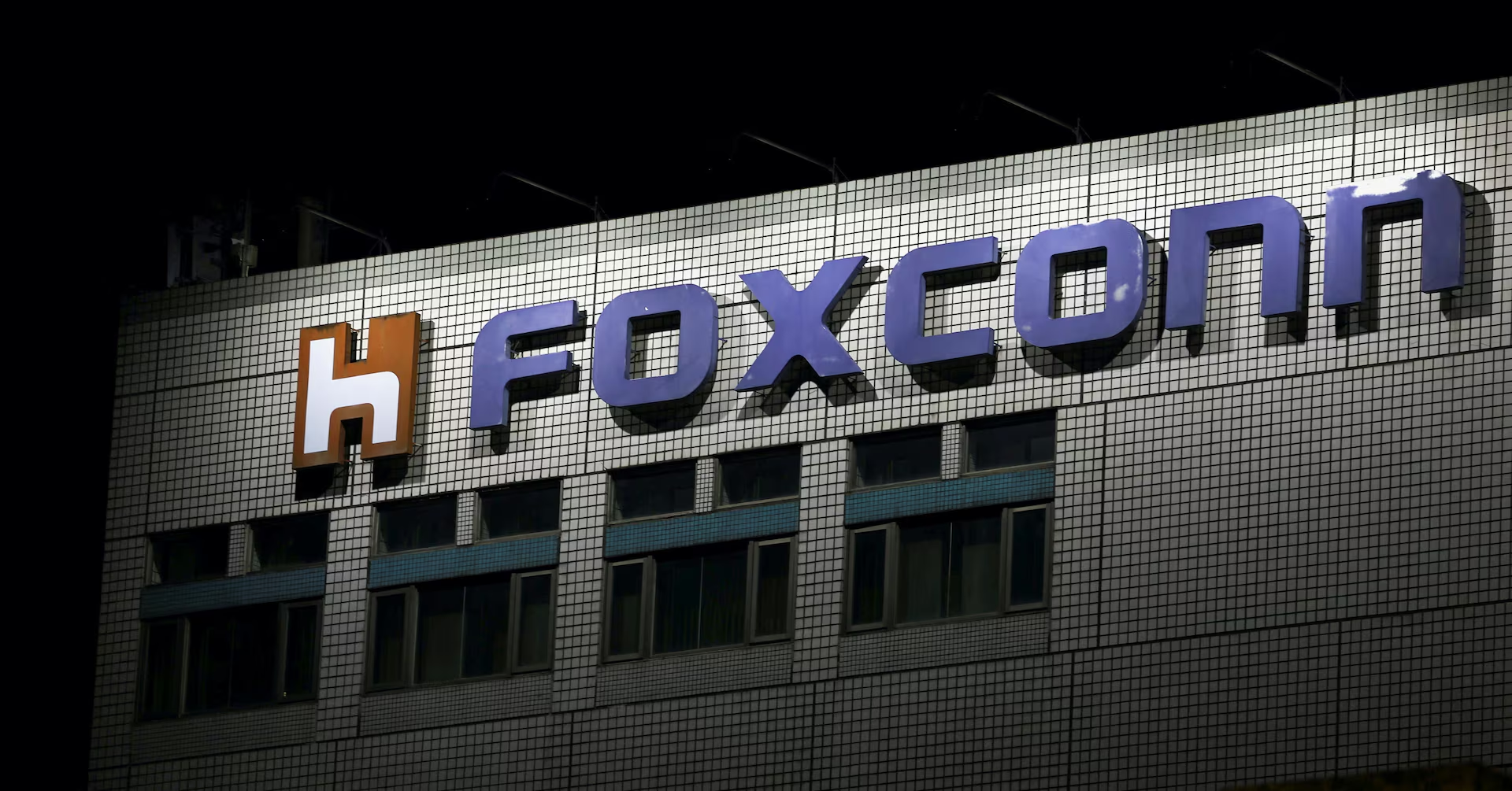
Foxconn Says It Can Adapt Production to Trump Tariffs

Foxconn, the world’s largest contract electronics manufacturer and Apple’s primary iPhone maker, announced that it can adjust its production strategy to accommodate potential new U.S. tariffs. This statement was made by Foxconn Chairman Young Liu on Wednesday during a press briefing at the company’s headquarters in New Taipei, Taiwan.

The announcement comes after U.S. President Donald Trump introduced a 25% tariff on all U.S. imports from Mexico and Canada, though the tariff has been paused until March 4. Liu highlighted that Foxconn already operates production facilities in both the United States and Mexico.

“Depending on the tariffs, we will plan different production capacities accordingly,” Liu said. He emphasized that Foxconn is prepared to make necessary adjustments with its U.S.-based partners to meet Trump’s call for more domestic manufacturing.

Liu explained that the company’s flexible global production model minimizes the impact of tariff changes. “For the company, if we don’t manufacture here, we can do it there, so the impact is not too great,” he noted.

However, Liu expressed concern about the broader implications of tariffs, stating that they would not benefit the global economy and could reduce market size.