Yazılar

US CFTC and FDIC Lift Crypto Restrictions for Banks: Full Details Explained

The US Commodity Futures Trading Commission (CFTC) and the Federal Deposit Insurance Corporation (FDIC) have lifted crypto-related restrictions that were put in place during the Biden administration. This move marks a significant shift in the regulatory landscape for financial institutions and paves the way for traditional banks to explore the growing cryptocurrency sector. Under the new guidelines, banks under the FDIC’s supervision no longer require prior approval to engage in crypto-related activities. This change aims to encourage financial institutions to embrace emerging crypto use cases without the burden of additional bureaucratic hurdles.

The CFTC has also clarified its stance on crypto derivatives, stating that these financial products will now be regulated in the same way as other derivative instruments in the US. This uniform regulatory approach is expected to simplify the legal landscape for banks and financial firms, making it easier for them to participate in the crypto market. The goal behind these regulatory shifts is to facilitate the integration of cryptocurrencies into the traditional financial system, ultimately driving innovation while maintaining oversight to ensure stability and security.

The shift in policy also reflects a broader trend in the US towards a more crypto-friendly regulatory environment. Under the previous administration of President Donald Trump, there was already a pro-crypto stance, but now, with the current leadership, agencies like the US Securities and Exchange Commission (SEC) are taking further steps to establish clear regulations for the Web3 industry. The federal government is working to bridge the gap between traditional financial systems and the decentralized world of cryptocurrencies, signaling a willingness to adapt to the rapidly evolving financial landscape.

With these changes, FDIC-supervised banks are now authorized to engage in a range of crypto-related activities, including offering crypto custodian services, maintaining stablecoin reserves, participating in blockchain-based settlement systems, and even issuing digital assets. However, these institutions are still required to manage associated risks carefully, such as market volatility, liquidity issues, operational challenges, cybersecurity threats, and compliance with anti-money laundering and consumer protection regulations. By removing the prior approval requirement, the FDIC is signaling confidence in the industry’s potential while ensuring that banks operate responsibly within this space.

US Commerce Department Bureaus Reportedly Ban China’s DeepSeek on Government Devices

In recent weeks, bureaus within the U.S. Commerce Department have informed staff that the Chinese-developed Artificial Intelligence (AI) model, DeepSeek, is banned from being used on government devices. This move, confirmed by a message seen by Reuters and sources familiar with the matter, is part of ongoing efforts to safeguard government information systems. A mass email sent to staffers explained the directive, urging them to avoid downloading or accessing any applications, desktop apps, or websites associated with DeepSeek. The email specifically warned, “To help keep Department of Commerce information systems safe, access to the new Chinese-based AI DeepSeek is broadly prohibited on all GFE” (government-furnished equipment).

The Commerce Department’s decision comes amid growing concerns over cybersecurity risks tied to foreign technologies. DeepSeek, an AI model developed in China, has raised alarms due to its rapid proliferation and the potential security vulnerabilities it might pose. While the Commerce Department has not provided further comment on the matter, the ban highlights the increasing scrutiny of Chinese technology in the U.S. government sector.

The specific scope of the ban across other U.S. government departments remains unclear, with Reuters unable to determine the full extent of the restrictions. However, the move reflects broader U.S. efforts to limit the use of Chinese technologies in critical sectors, particularly those involving sensitive data and national security. This step follows a series of actions aimed at curbing the influence of Chinese tech firms on American infrastructure.

The controversy surrounding DeepSeek has also reverberated in financial markets. In January, the introduction of DeepSeek’s low-cost AI models contributed to a major selloff in global equity markets, as investors expressed concerns that China’s advancements in AI could challenge the United States’ dominance in the field. This growing fear of losing competitive ground in AI technology has only amplified regulatory scrutiny in the U.S., particularly as AI continues to play an increasingly pivotal role in both the economy and national security.

Trump Orders SEC Task Force to Draft Crypto Regulations by August

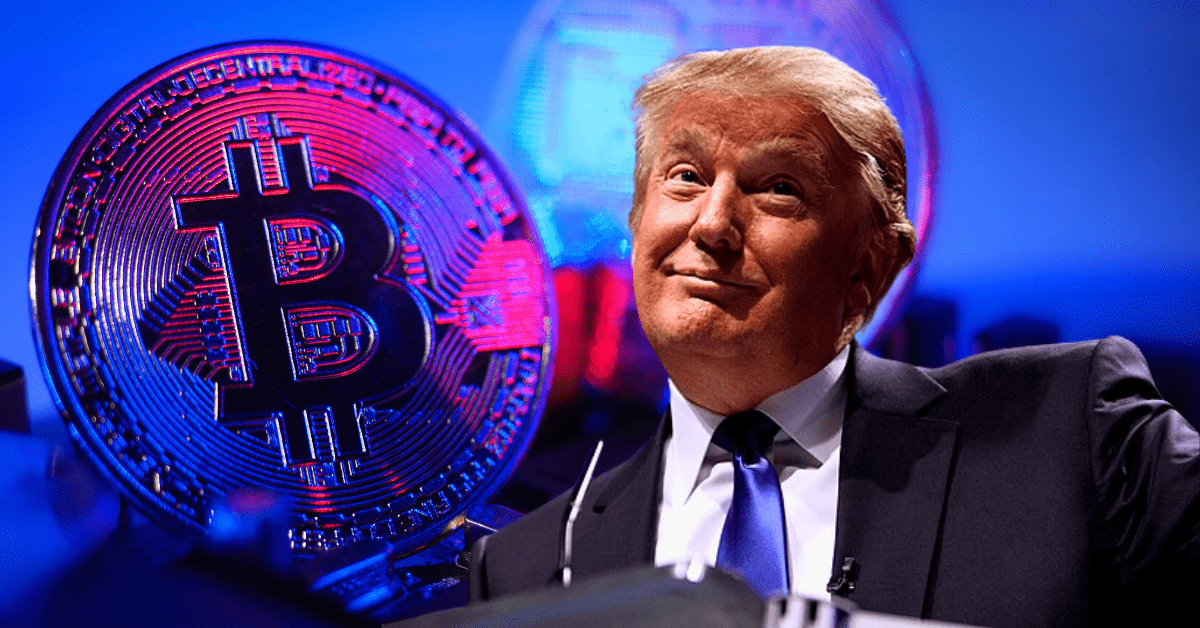
US President Donald Trump recently convened a historic Crypto Summit at the White House, bringing together key figures from the cryptocurrency industry and US lawmakers under one roof. This marked the first major engagement between the government and the crypto sector, signaling a shift toward clearer regulatory policies. During the summit, President Trump directed the US Securities and Exchange Commission’s (SEC) Crypto Task Force to draft a comprehensive regulatory framework for cryptocurrencies and stablecoins. He emphasized that he expects the finalized proposal to be on his desk by the end of August, giving the task force roughly five months to complete its work.

The announcement reflects the administration’s growing recognition of the crypto industry’s impact on financial markets and technological innovation. With regulatory uncertainty often cited as a major challenge for blockchain-based enterprises, a structured policy framework could provide much-needed clarity for businesses and investors. Industry leaders have long advocated for clear guidelines to prevent regulatory arbitrage and encourage responsible innovation within the United States. Trump’s directive to fast-track these regulations suggests a strong push toward integrating crypto into the broader financial system.

Chris Dixon, a managing partner at Web3-focused investment firm a16z crypto, described Trump’s directive as the most significant takeaway from the summit. Dixon, a prominent advocate for decentralized technologies, stressed the importance of a well-defined regulatory structure. He highlighted that a predictable legal environment could spur innovation and attract investment while addressing concerns related to security, fraud, and consumer protection. His remarks align with the broader industry consensus that proactive policymaking is essential for fostering long-term growth in the digital asset space.

Trump’s call for swift action on crypto regulations has been met with optimism from industry leaders, but it also raises questions about how the SEC and other regulatory bodies will approach the task. Balancing innovation with investor protection remains a key challenge, especially as global competition in the crypto sector intensifies. As the deadline approaches, stakeholders will closely watch how the SEC’s task force navigates the complexities of this rapidly evolving industry.