Yazılar

US Considers Potential Rules to Restrict or Bar Chinese Drones

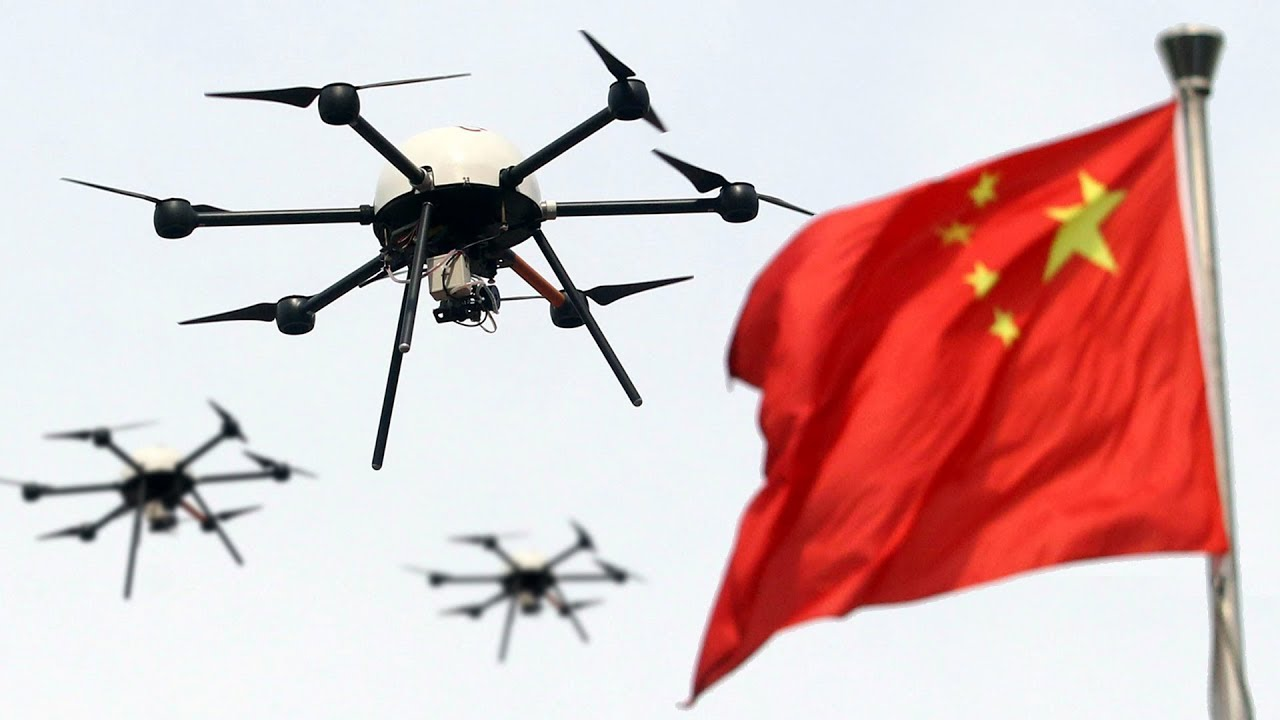
The U.S. Commerce Department is exploring new rules that could restrict or ban Chinese-made drones in the United States, citing national security concerns. The department announced on Thursday that it is considering measures to safeguard the U.S. drone supply chain, emphasizing that threats from China and Russia could allow adversaries to remotely access and manipulate these devices, thereby compromising sensitive U.S. data.

China dominates the U.S. commercial drone market, accounting for the majority of sales. In response to these national security concerns, the Commerce Department is seeking public comments on potential rules, with a deadline set for March 4. The proposed regulations could mirror those applied to Chinese vehicles, which may face similar restrictions or bans due to concerns over foreign-made equipment, chips, and software embedded in drones.

Commerce Secretary Gina Raimondo previously indicated that the department could impose restrictions akin to those that would effectively bar Chinese vehicles from U.S. markets. The focus would primarily be on drones containing Chinese or Russian-made components. Raimondo hopes to finalize the regulations on Chinese vehicles by January 20, coinciding with the inauguration of President-elect Donald Trump.

This move follows a series of actions taken by the U.S. government over the past year to address concerns about Chinese drones. Last month, President Joe Biden signed a law that could result in a ban on new models from China-based DJI and Autel Robotics, two of the largest drone manufacturers. Under this law, a U.S. agency must assess whether drones from these companies pose national security risks within a year. If no decision is made, DJI and Autel could be prevented from launching new products in the U.S.

DJI, the world’s largest drone maker, which accounts for more than half of all commercial drones sold in the U.S., has responded by warning that an inability to launch new products would hurt its business. The company has also taken legal action, suing the U.S. Department of Defense for designating it as a company with ties to China’s military. DJI denies these claims and has asserted that its products do not involve forced labor, despite Customs and Border Protection halting some of its drone imports under the Uyghur Forced Labor Prevention Act.

U.S. lawmakers have repeatedly expressed concerns about the potential risks posed by Chinese-made drones, citing data transmission vulnerabilities and surveillance issues. In 2019, Congress passed a law banning the Pentagon from using drones or components manufactured in China.
 

TikTok Appeals to US Supreme Court in Final Attempt to Prevent Ban

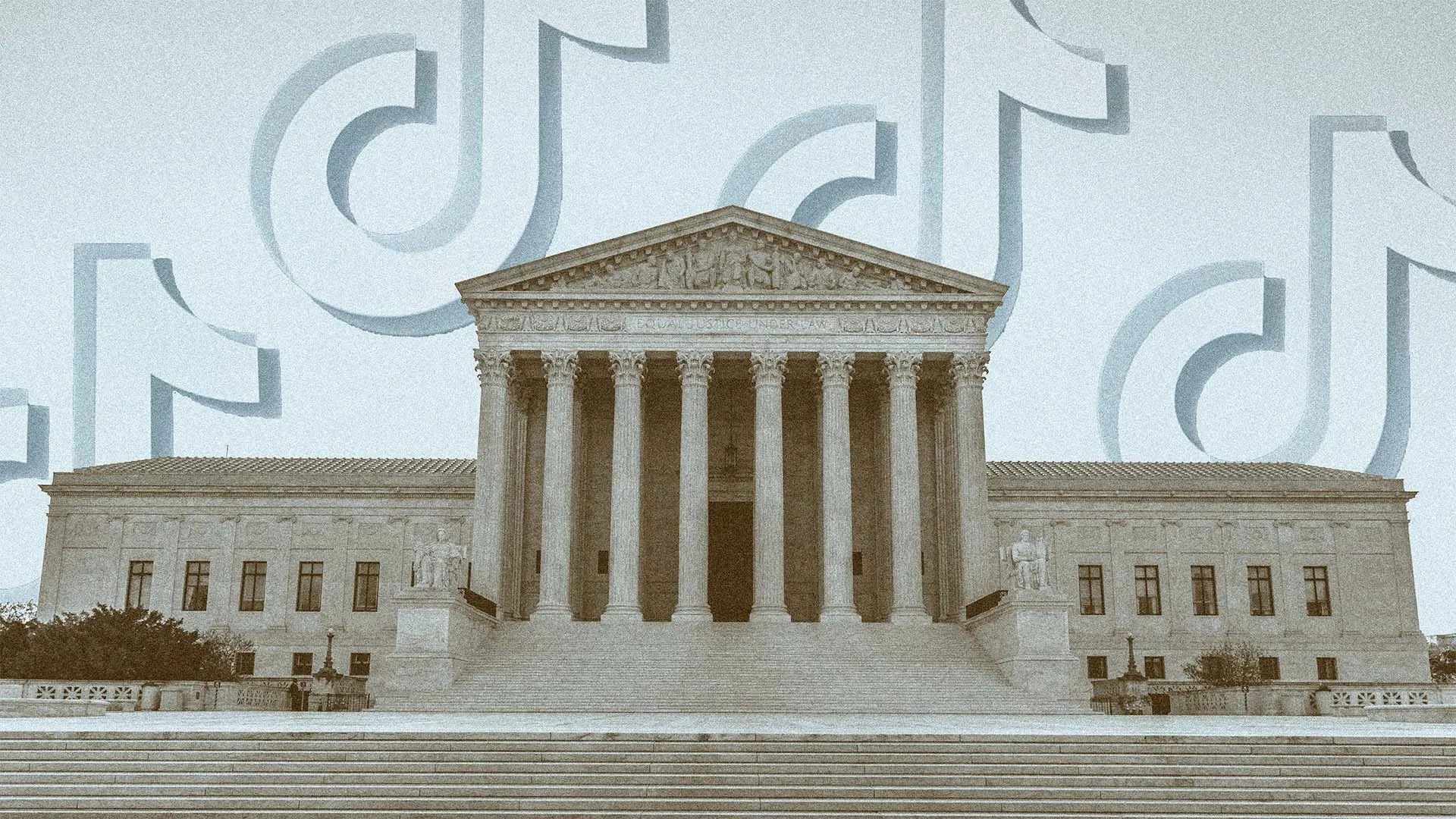
TikTok has made a last-ditch attempt to prevent a potential ban in the United States by appealing to the Supreme Court. On Monday, the social media platform filed an emergency request seeking a temporary injunction to block a law that mandates its China-based parent company, ByteDance, to divest the app by January 19. If the company does not comply, the app could face a complete ban in the U.S. This move comes after a lower court upheld the law, and TikTok is now seeking to continue operations while appealing the decision.

In a coordinated effort, TikTok and ByteDance have asked the Supreme Court to intervene, with the goal of stopping the law from going into effect. The request was filed alongside a similar appeal from a group of U.S. TikTok users, who argue that the law unfairly targets the platform, which has become a key part of online social interaction for around 170 million Americans. The case has garnered significant attention due to the potential consequences for both users and the broader tech landscape in the U.S.

The law in question, passed by Congress in April, seeks to address concerns over national security. The Justice Department has argued that TikTok’s connection to China presents a significant risk, citing the app’s ability to collect vast amounts of personal data on U.S. users—ranging from locations to private messages. Authorities also claim that TikTok could be used to manipulate the content Americans are exposed to, potentially influencing political opinions and public perception in a way that serves the interests of the Chinese government.

As the legal battle continues, TikTok’s fate in the U.S. hangs in the balance. If the Supreme Court grants the injunction, it could temporarily delay the law’s enforcement, allowing TikTok to operate while further appeals are considered. However, if the Court declines, the company may be forced to comply with the divestiture deadline or face a nationwide ban, which would disrupt millions of users and businesses that rely on the app for communication, entertainment, and marketing.

Apple Seeks Dismissal of US Smartphone Monopoly Lawsuit

Apple is set to present its case to a federal judge, urging the dismissal of a U.S. Department of Justice (DOJ) antitrust lawsuit that accuses the tech giant of monopolistic practices in the smartphone market. The hearing, scheduled for Wednesday in Newark, New Jersey, before U.S. District Judge Julien Neals, marks another significant moment in the ongoing legal battles surrounding Big Tech companies and their market dominance. The DOJ alleges that Apple has unlawfully restricted competition by creating a tightly controlled ecosystem that limits interoperability between iPhones, third-party apps, and competing devices.

At the heart of the DOJ’s argument is Apple’s ecosystem strategy, which prosecutors claim locks users into its platform while stifling competition. By tightly controlling app distribution through the App Store and restricting developers’ access to core iPhone technologies, Apple allegedly ensures that alternative app marketplaces and cross-platform interoperability remain limited. These practices, according to the DOJ, make it difficult for competitors to thrive, ultimately reducing consumer choice in the marketplace.

Apple, however, argues that its approach is not only lawful but essential to maintaining a secure and innovative platform for its users. The company contends that its restrictions on third-party developers are reasonable measures aimed at ensuring privacy, security, and the overall quality of user experiences. Apple has further asserted that forcing it to open its ecosystem to competitors would risk undermining these priorities and discourage innovation in a highly competitive market.

The case has broader implications for the technology industry and antitrust enforcement in the United States. If the court sides with the DOJ, it could lead to significant changes in how Apple and other tech giants operate their platforms, potentially forcing greater openness and interoperability. Conversely, a dismissal would bolster Apple’s defense of its business practices and signal that courts may be reluctant to intervene in the operational choices of dominant technology companies. The outcome of this hearing is expected to influence the trajectory of antitrust regulation in the tech sector for years to come.