Yazılar

Southeast Asia’s Digital Economy Sees Slower Private Funding Growth Despite AI Boom

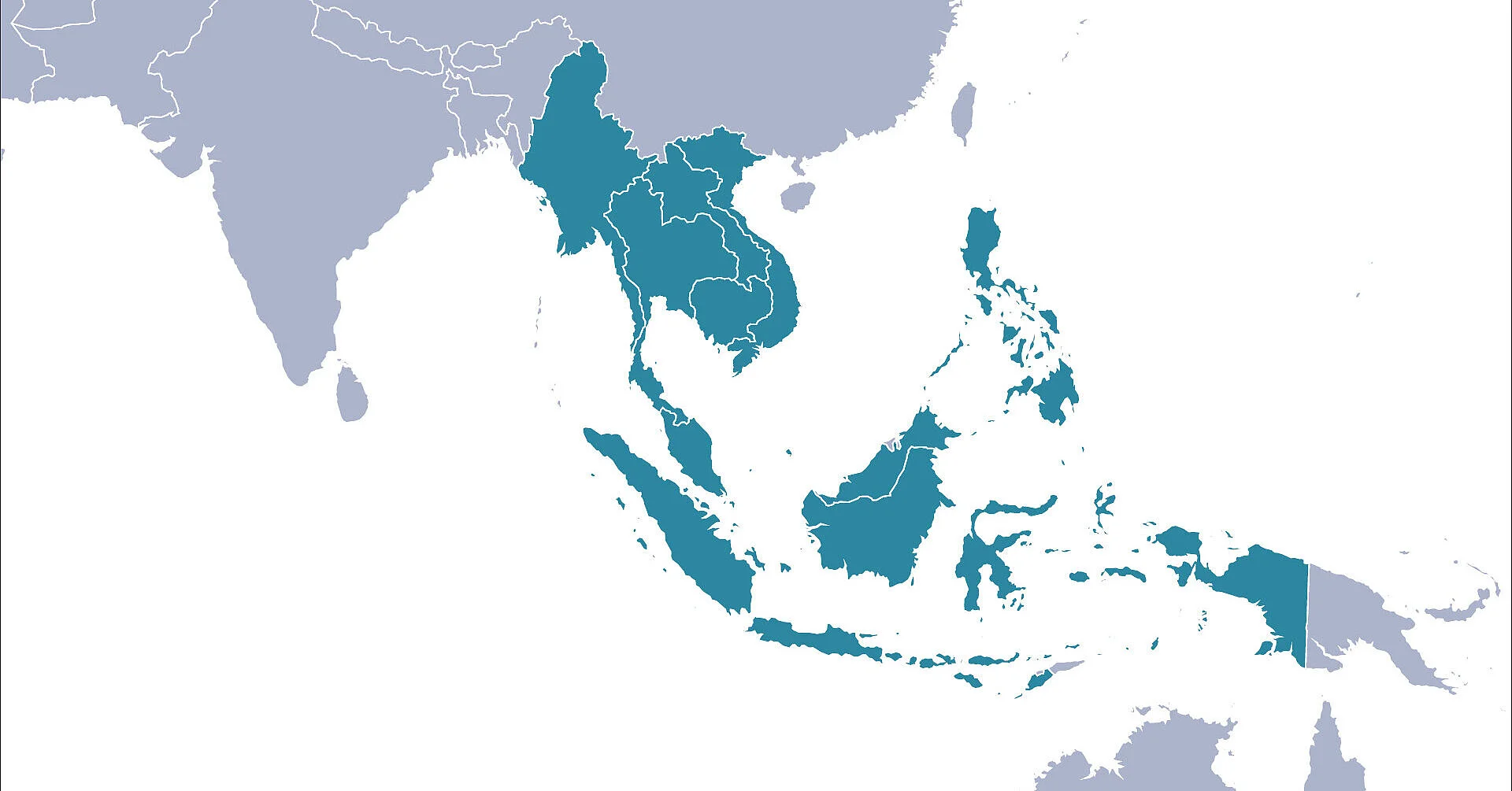
Private funding for Southeast Asia’s digital economy rose 15% year-on-year to $7.7 billion in the 12 months to June 2025, lagging the global private investment growth rate of 25%, according to a new report by Google, Temasek Holdings, and Bain & Company.

While the figure marks an improvement from 2024, it remains about 70% below the region’s 2021 record high of $27 billion, reflecting a slower recovery from the post-pandemic investment cooldown.

The report found that funding is increasingly concentrated in late-stage rounds, with the share of seed-to-Series B deals dropping from around 30% to 20% over the past year.

This year’s edition expanded its coverage to include Brunei, Cambodia, Laos, and Myanmar, alongside Indonesia, Thailand, Vietnam, Singapore, Malaysia, and the Philippines — a region of nearly 700 million people and one of the world’s fastest-growing internet markets, driven by a young population and rising smartphone use.

Despite the funding slowdown, AI startups remain a bright spot, attracting 32% of all private capital in the region during the first half of 2025 — up slightly from 30% in the second half of 2024. Over 680 AI startups secured more than $2.3 billion, with Singapore hosting more than 495 of them.

The report also highlighted rapid data center expansion, as countries rush to build infrastructure for the AI boom. Data center capacity in Southeast Asia is expected to grow 2.8 times, surpassing the 2.2 times growth forecast for the wider Asia-Pacific.

Malaysia leads this expansion, with 2,415 MW of new capacity planned — more than half the region’s total 4,620 MW — attracting major investments from Microsoft, Amazon, Google, Tencent, Huawei, and Alibaba.

Meanwhile, TikTok plans to invest $4 billion in data hosting facilities in Thailand, while Google and Amazon are each investing $1 billion and $5 billion respectively in the country, underscoring the growing competition in Southeast Asia’s digital infrastructure landscape.
Nvidia-backed AI lab Lila Sciences hits $1.3 billion valuation after new funding

Lila Sciences, a fast-growing AI startup focused on scientific discovery, has raised $115 million in an extension of its Series A round led by Nvidia’s venture arm, pushing its valuation above $1.3 billion, the company told Reuters. The latest investment brings Lila’s total Series A funding to $350 million and its cumulative capital raised to $550 million, underscoring investors’ confidence in AI for science.

Founded in 2023 by Flagship Pioneering, Lila aims to create what it calls “scientific superintelligence” — a network of specialized AI systems paired with automated laboratories capable of running continuous experiments. Its investors include General Catalyst and a subsidiary of the Abu Dhabi Investment Authority.

Lila said the funds will speed up the rollout of its AI Science Factories, vast facilities equipped with robotic instruments controlled by AI. The company recently signed a 235,500-square-foot lease in Cambridge, Massachusetts, one of the largest new lab spaces in the Greater Boston area this year.

The startup plans to open its AI platform to commercial customers, allowing companies in energy, semiconductors, and pharmaceuticals to use its automated systems for scientific discovery. Unlike traditional AI labs focused on internet data, Lila’s approach generates proprietary experimental data, which it says is key to the next era of AI-driven innovation.

CEO Geoffrey von Maltzahn said the company’s mission is to accelerate the scientific method itself. “It will set in motion the scientific method in a new form,” he said, describing how Lila’s technology has already produced thousands of discoveries across life sciences, chemistry, and materials research.

Nvidia-backed Reflection AI secures $2 billion funding, valued at $8 billion

Reflection AI, a fast-rising artificial intelligence startup backed by Nvidia, announced on Thursday it has raised $2 billion in fresh funding, pushing its valuation to $8 billion. The massive round underscores investor enthusiasm for startups automating software development through AI.

The funding attracted major names, including former Google CEO Eric Schmidt, Citi, Donald Trump Jr.-backed 1789 Capital, and existing investors Lightspeed and Sequoia. Reflection AI, founded in 2024 by former DeepMind researchers Misha Laskin and Ioannis Antonoglou, builds AI systems that can autonomously write, test, and optimize software — a rapidly expanding niche within the AI industry.

The new valuation marks a huge leap from the company’s last funding round, when it raised $130 million at a $545 million valuation, according to PitchBook.

Investor appetite for AI ventures remains robust. Global venture capital funding jumped 38% year-over-year in Q3 2025 to $97 billion, with nearly half of that going to AI companies. Reflection AI’s momentum reflects how automation-focused startups are drawing capital on par with heavyweights like OpenAI and China’s DeepSeek.

The company said the funds will accelerate product expansion and recruitment as it scales operations globally amid intensifying competition in AI-driven coding tools.