Yazılar

Vietnam Orders Block on Telegram Over Crime, Anti-State Content Allegations

Vietnam’s Ministry of Information and Communications has instructed telecommunication providers to block access to the Telegram messaging app, citing the platform’s alleged failure to cooperate in investigations into criminal activity and anti-state operations.

The directive, dated May 21 and signed by the deputy head of the telecom department, mandates Vietnamese telecom operators to “deploy solutions and measures to prevent Telegram’s activities” and report progress by June 2.

Authorities claim that 68% of the 9,600 Telegram channels and groups active in Vietnam have violated national laws, pointing to incidents of fraud, drug trafficking, and suspected terrorism-related content. Officials also accused Telegram of refusing to share user data when requested as part of ongoing criminal probes.

Telegram Responds

Telegram, which has close to 1 billion global users, expressed surprise at the allegations. A company spokesperson told Reuters:

“We have responded to legal requests from Vietnam on time… We received a formal notice this morning regarding a standard service notification procedure under new telecom regulations. The deadline for our response is May 27, and we are processing the request.”

Despite the government’s order, Telegram remained accessible in Vietnam as of Friday.

Crackdown on Online Content

Vietnam’s ruling Communist Party, known for its tight grip on media and limited tolerance for dissent, has stepped up demands on global tech firms to cooperate with state censorship policies. The country has previously pressured platforms such as Facebook, YouTube, Google, and TikTok to remove content deemed “toxic” or “anti-state.”

The government’s document also accused Telegram of enabling opposition groups to organize and spread anti-government propaganda, with “many groups with tens of thousands of participants” allegedly created by what it called “reactionary subjects.”

Broader Context

Telegram has faced scrutiny globally for its perceived lack of content moderation. In France, founder Pavel Durov was briefly detained last year amid similar concerns over security and data transparency.

The timing of Vietnam’s move also comes ahead of an official visit by French President Emmanuel Macron to Hanoi on Sunday, potentially adding diplomatic nuance to the unfolding situation.
Vietnam to Allow SpaceX’s Starlink Satellite Internet Service

Vietnam’s government announced on Wednesday that it will allow SpaceX to launch its Starlink satellite internet service on a trial basis in the country. The service will be available without restrictions on foreign ownership, marking a significant step in expanding Vietnam’s internet services.

Trial Period and Service Details

The trial period for Starlink’s services in Vietnam will last until the end of 2030, according to the government’s statement. The service will offer both fixed and mobile internet plans throughout the country, including connectivity options on flights. However, the number of subscribers will be limited to 600,000 during the trial phase.

Strategic Decision Amid Trade Concerns

Analysts speculate that Vietnam’s decision to allow Starlink’s entry may be a strategic move to avoid potential U.S. tariffs. The approval of SpaceX’s internet service is seen as a way for the Southeast Asian nation to bolster its relationship with the U.S. by facilitating U.S. companies’ access to its market.

Starlink’s Global Expansion

Starlink, which operates in over 120 countries worldwide, aims to expand its satellite internet service to more regions, particularly in areas with limited access to high-speed internet. Vietnam’s approval represents a significant milestone in Starlink’s global network expansion.

Vietnam to Launch Digital Assets Exchange Pilot Program in March

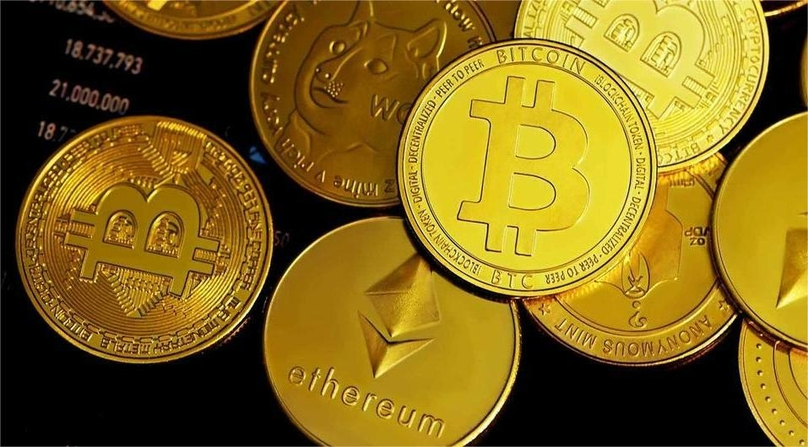
Vietnam is set to pilot a digital asset exchange, marking a significant step in the country’s approach to virtual digital assets (VDAs). According to Deputy Finance Minister Nguyen Duc Chi, the finance ministry is currently developing a trading platform for digital assets, with testing expected to begin by the end of March. This move aligns with Vietnam’s increasing engagement in the global crypto landscape, as the country ranked fifth in Chainalysis’ global crypto adoption index last year. With the global cryptocurrency market now valued at nearly $3 trillion, Vietnam’s initiative signals a growing interest in integrating digital assets into its financial ecosystem.

The finance ministry has been actively working on a regulatory framework to guide the development of the VDA trading platform. A government-backed Vietnamese publication confirmed on Thursday that the roadmap for this initiative is already in progress. By establishing a structured and legal foundation for digital asset trading, the Vietnamese government aims to create a secure and transparent environment for both local and international investors. This initiative is expected to provide a controlled setting for crypto-related activities while mitigating risks associated with the sector.

Vietnam’s decision to pilot a digital asset exchange comes at a time when the government is focusing on economic expansion. Prime Minister Phạm Minh Chính recently set an ambitious national growth target of eight percent or more by the end of 2025. As part of this strategy, the country is looking to leverage technological advancements, including digital assets and blockchain technology, to attract foreign direct investment and drive sustainable economic growth. In a directive issued earlier this week, the prime minister emphasized that economic development must be fueled by science, technology, innovation, and digital transformation.

Vietnam has consistently ranked among the top countries in global crypto adoption, alongside India, Indonesia, and the US. Research suggests that crypto ownership in the country will continue to grow in the coming years. With a strong foundation for adoption and increasing government interest, Vietnam’s pilot digital asset exchange could serve as a model for other nations looking to integrate crypto-friendly policies while maintaining regulatory oversight.