Yazılar

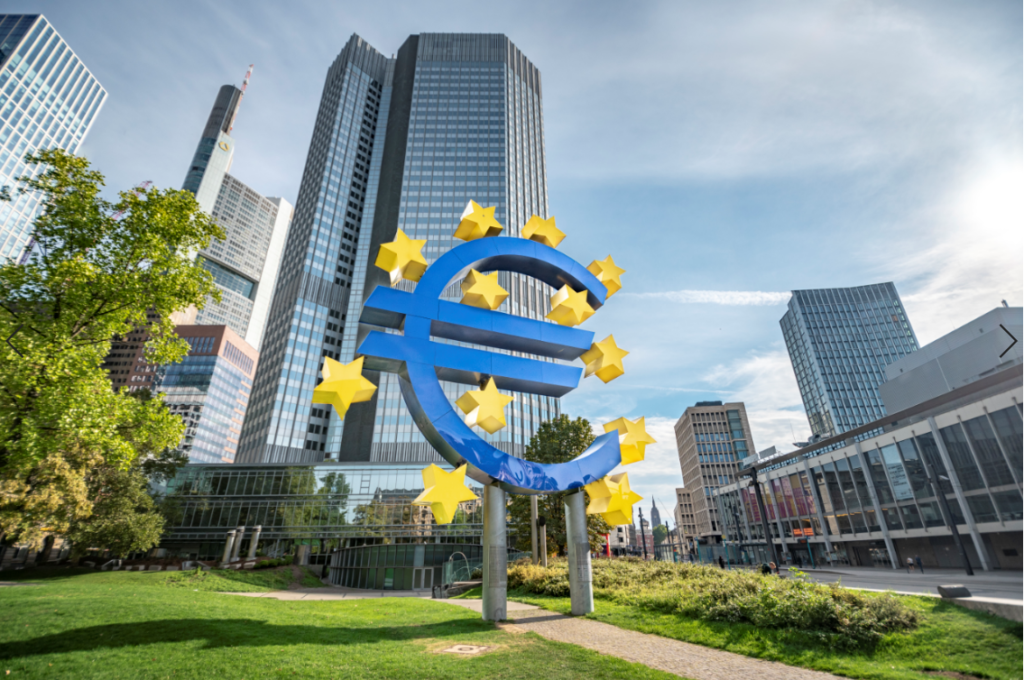
ECB Targets Early 2026 Political Agreement for Launch of Digital Euro

The European Central Bank (ECB) aims to have all key political decisions in place by early 2026 to pave the way for launching a digital euro, ECB Executive Board Member Piero Cipollone said on Thursday. Once the necessary legislation is finalized, the ECB expects it would take two to three years to launch the digital currency.

Although the ECB has been exploring a digital euro for several years, progress has been slow due to the absence of a proper legal framework. Cipollone expressed hope that EU political consensus could be reached before summer 2025, with additional legislative work by the European Parliament extending into early 2026.

Key Features of the Digital Euro:

  • Provides consumers with a direct claim on the ECB, unlike current card payments through private providers like Visa or Mastercard.

  • Designed to function similarly to cash, offering high security and offline payment options.

  • Supports both online and in-person transactions, enhancing digital resilience and financial sovereignty.

Strategic Context:

The urgency behind the initiative has increased due to geopolitical developments, particularly following the election of Donald Trump, which has heightened concerns over European dependence on U.S.-based digital payment infrastructure. Europe currently relies heavily on American financial firms, posing a potential strategic vulnerability.

French central bank governor François Villeroy de Galhau, also speaking at the event, noted that recent political shifts, such as Trump’s return to office, have strengthened the ECB’s resolve to press ahead with the digital euro project.

If launched successfully, the digital euro would position Europe among the global leaders in central bank digital currencies (CBDCs), alongside initiatives already underway in China and the United States.
European Retailers Urge Crackdown on Visa and Mastercard Fees

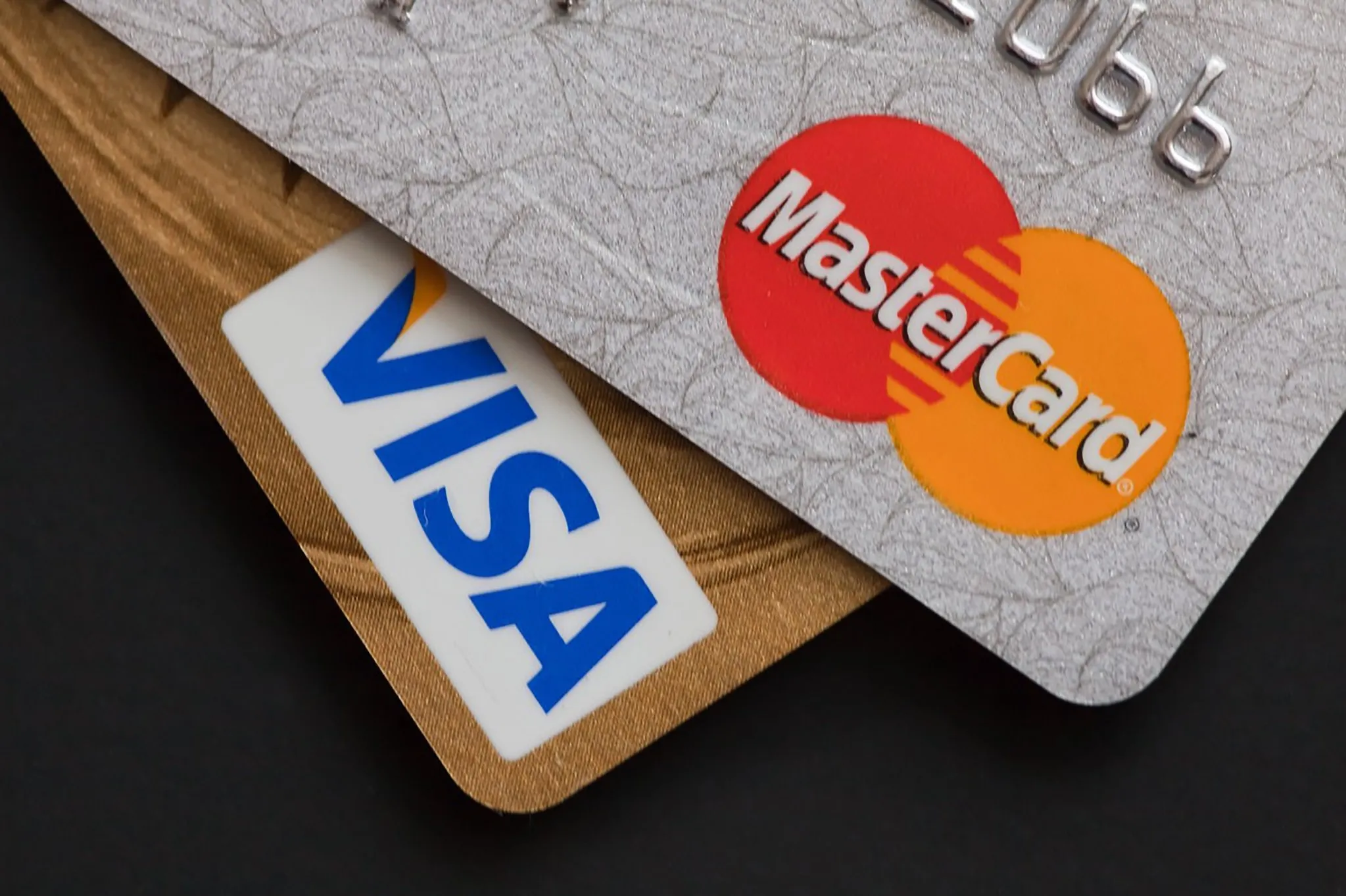
Leading European retailers and e-commerce platforms have appealed to the European Commission to address what they describe as excessive and opaque fees imposed by Visa and Mastercard, alleging the charges undermine the EU’s competitiveness and hurt alternative payment systems.

In a letter dated May 13 and seen by Reuters, major industry groups such as EuroCommerce, Ecommerce Europe, and the European Digital Payments Industry Alliance — whose members include Aldi, Amazon, Carrefour, eBay, H&M, Ikea, and Marks & Spencer — asked EU regulators to intervene under antitrust rules. They claim Visa and Mastercard have increased their fees by nearly 34% between 2018 and 2022, with no corresponding improvements in service quality for merchants or consumers.

The retailers argue that the U.S. card giants dominate two-thirds of eurozone card payments and have created a complex, non-transparent fee system that hinders scrutiny or competition. The growing frustration over these practices has also revived interest in EU-backed alternatives like the digital euro, although progress on such initiatives remains slow.

Visa responded by defending its fee structure, saying it reflects high-value services such as fraud protection, operational reliability, and customer support. Mastercard did not issue a comment on the matter.

The letter was addressed to key EU officials, including antitrust chief Teresa Ribera, financial services commissioner Maria Luís Albuquerque, and economy chief Valdis Dombrovskis. The signatories are calling for:

  • Regulatory action under EU antitrust laws,

  • Revised interchange fee rules with price caps,

  • Mandatory transparency and non-discrimination rules for card schemes, and

  • A monitoring tool for regulators to oversee card network practices.

This latest appeal intensifies pressure on Brussels to tackle U.S. dominance in the EU payments sector and promote more equitable digital financial infrastructure across the continent.

Nordic Countries and Estonia Develop Offline Card Payment Systems Amid Sabotage Fears

Finland, Sweden, Norway, Denmark, and Estonia are jointly developing offline card payment systems to ensure financial continuity in the event of internet disruptions, including potential sabotage of undersea infrastructure, Bank of Finland board member Tuomas Valimaki told Reuters on Wednesday.

The move follows increasing geopolitical tensions, notably Russia’s invasion of Ukraine, and a series of unexplained incidents damaging critical infrastructure in the Baltic Sea region. Western intelligence agencies have blamed Russia for acts of sabotage, which Moscow denies.

The likelihood of major disruptions has increased,” said Valimaki. “Payments are a potential target because of their critical role in everyday life.”

With 90% of Finns relying on card payments, the region is especially vulnerable to disruptions in international data linksmany of which are reliant on U.S. infrastructure like Visa and Mastercard.

What Offline Payments Could Look Like:

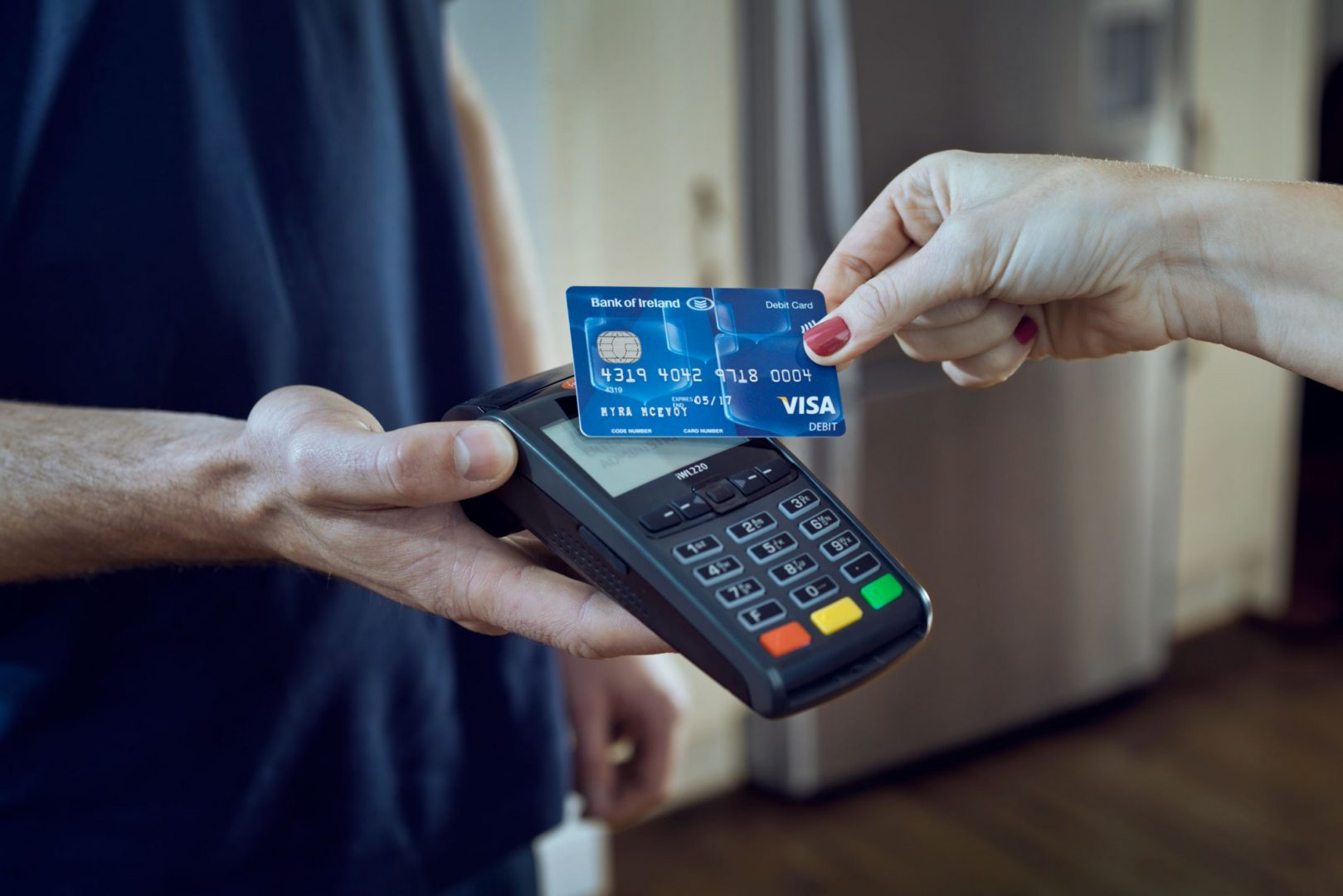
Offline payments would allow card terminals to store encrypted transaction data, which could then be processed once connections are restored.

  • Sweden aims to launch its system by July 1, 2026, allowing purchases of essential goods during disruptions lasting up to seven days.

  • Norway and Denmark have already deployed initial offline systems.

  • Estonia is also developing a solution, though its central bank has not provided public details.

The Nordic region’s urgency has been heightened by events such as the Nordea DDoS attacks in 2023, which left customers without access to online banking for weeks.

Valimaki also warned of the dominance of U.S. payment networks, suggesting that even services like Apple Pay and Google Pay rely on the Visa-Mastercard infrastructure, and are therefore subject to geopolitical pressure.

We cannot rule out that one night someone on Truth Social comes up with using payments as a pressure tactic,” he said, referencing the platform where U.S. President Donald Trump frequently shares his policy views.

To enhance payment sovereignty, Finland is planning to:

  • Launch a national instant payment system within a few years.

  • Enable offline card payments for consumers as early as 2025.

  • Introduce national reserve bank accounts, ensuring Finns can access their funds even if commercial banks go offline.

Meanwhile, the European Central Bank’s proposed digital euro may one day offer pan-European instant payments, but Valimaki cautioned that full implementation is still years away, even with political support.

At a separate event in Helsinki, NATO’s Christian-Marc Lilflander called for finance ministers to play a larger role in national security discussions, especially around financial infrastructure resilience.