Yazılar

Medicaid Dominates U.S. Coverage for Novo Nordisk and Eli Lilly Weight-Loss Drugs

Government Programs Drive Access to GLP-1 Drugs

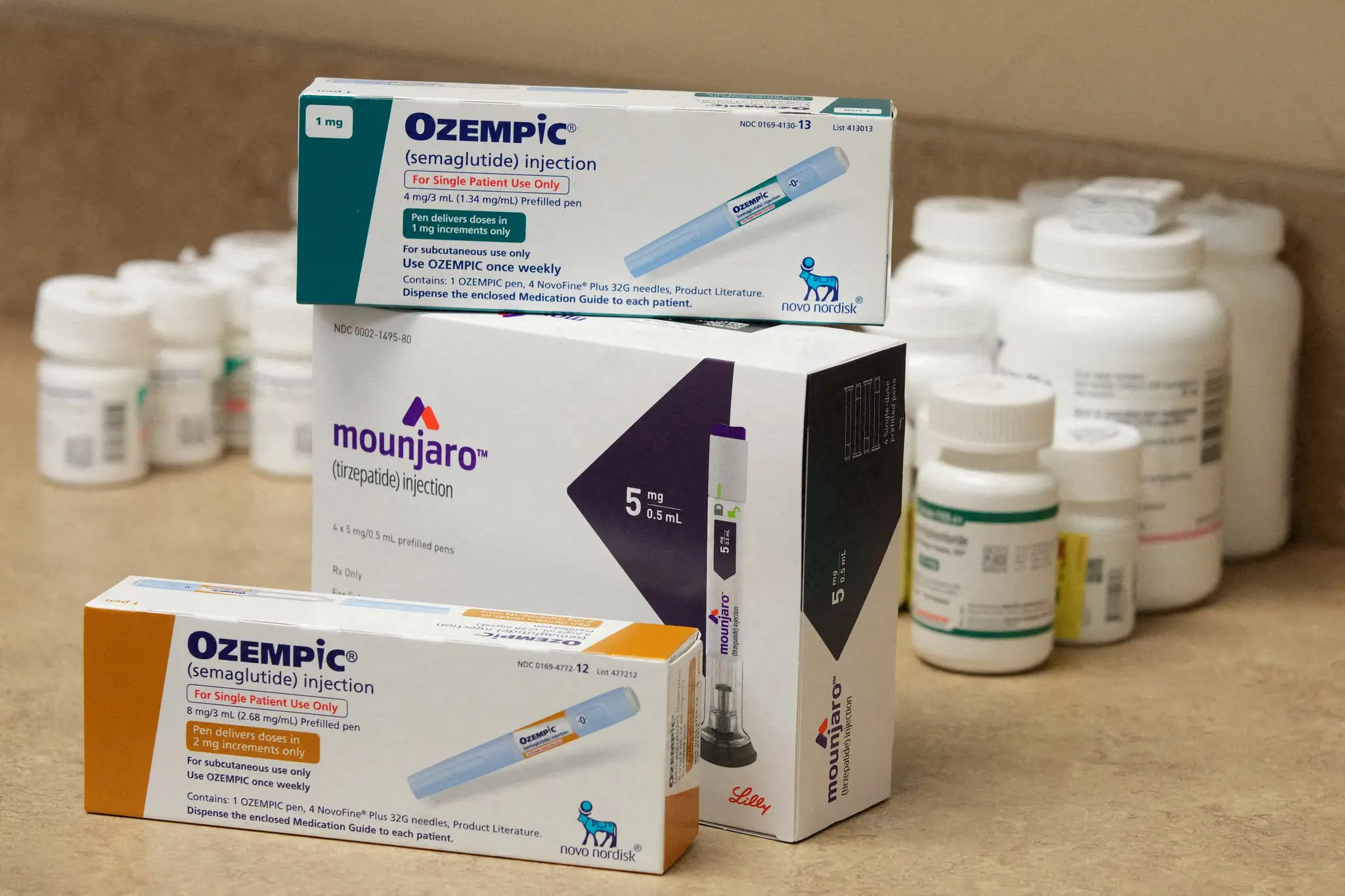
State Medicaid programs and federal employee health plans are the leading sources of coverage for popular new weight-loss drugs, including Novo Nordisk’s Wegovy and Eli Lilly’s Zepbound. According to data from the AXIACI Obesity Coverage Nexus, government-funded plans provide access to these treatments for over 52 million Americans, significantly outpacing private employer and commercial insurance coverage.

Coverage Breakdown:

  • Medicaid Programs: Cover 31.6 million low-income individuals.
  • Federal Employee Plans: Provide access to 14.6 million federal workers and dependents.
  • State and Local Employee Plans: Cover an additional 6 million individuals.

In contrast, approximately 13.7 million Americans under commercial health plans have coverage for these drugs. An additional estimated 10.7 million privately insured individuals may also have coverage, bringing the total private sector figure to a potential 24.4 million—still less than half of government-backed coverage.


Barriers to Broader Coverage

The discrepancy between public and private plans highlights employer hesitancy to absorb the costs of GLP-1 drugs, which carry list prices exceeding $1,000 per month. Kathy Hempstead of the Robert Wood Johnson Foundation attributes this to rising health insurance premiums, which make funding weight-loss treatments an added challenge for private employers.

Many private insurers impose stringent prerequisites, such as dietary consultations or lifestyle programs, before approving coverage. Additionally, patients often face limited drug availability and may turn to cheaper alternatives from compounding pharmacies.


Impact on Drugmakers and Patients

While Medicaid’s steep drug price discounts may affect Novo Nordisk and Eli Lilly’s profit margins, higher obesity rates among Medicaid recipients present a significant market opportunity. For many patients, insurance coverage is the only feasible way to access these expensive medications, which can be required for long-term use.

Both companies are lobbying for broader insurance coverage, emphasizing the societal cost savings from reducing obesity-related conditions like heart disease and diabetes. Novo estimates that about half of U.S. adults with obesity now have access to weight-loss medications. However, Lilly acknowledges gaps in commercial insurance coverage, citing ongoing stigma and mismanagement of obesity as barriers to treatment.


State-by-State Medicaid Approaches

Currently, 14 state Medicaid programs, including California, Pennsylvania, and North Carolina, offer coverage for GLP-1 drugs to treat obesity. Seventeen states extend coverage to public employees and their dependents, with five—Connecticut, Delaware, Kansas, Massachusetts, and Michigan—offering both.

Medicare, the federal program for individuals 65 and older, does not cover GLP-1 drugs for weight loss, limiting its use to managing type 2 diabetes and cardiovascular disease.

Christine Ferguson, a healthcare policy expert, noted the fragmented nature of state decisions on coverage, saying, “Everyone is being very cautious here,” with no clear national pattern emerging yet.


Future of GLP-1 Coverage

As the use of GLP-1 receptor agonists continues to reshape obesity treatment in the U.S., the divide between public and private insurance coverage underscores ongoing challenges in integrating weight-loss drugs into broader healthcare frameworks. Drugmakers are likely to intensify advocacy efforts for expanded insurance support, seeking to address both financial and cultural barriers to care.
Novo Nordisk Raises Alarm Over Deaths Linked to Compounded Versions of Weight-Loss Drug Wegovy

Novo Nordisk recently acknowledged reports indicating that 10 people have died and over 100 have been hospitalized after using compounded versions of its popular weight-loss and diabetes drugs, Wegovy and Ozempic, chemically known as semaglutide. The company’s CFO, Karsten Munk Knudsen, confirmed awareness of these cases, which emerged from the FDA’s adverse events database. The database does not establish direct causality between compounded semaglutide and the deaths but serves as a preliminary warning mechanism for potential health risks.

The U.S. allows compounding pharmacies to create alternatives to brand-name drugs that are temporarily in short supply, achieved by mixing or altering drug ingredients. Until recently, Novo Nordisk’s semaglutide drugs, Wegovy and Ozempic, were on the FDA’s shortage list due to high demand, especially within the United States. This shortage situation permitted compounding pharmacies to manufacture copies.

When asked to elaborate, a Novo Nordisk spokesperson directed attention to the FDA’s adverse events database, which has recorded 10 deaths linked to compounded semaglutide over the past two years, though none identified a direct cause. The adverse event reports are submitted by doctors, patients, and drug manufacturers and are intended as preliminary safety signals rather than concrete scientific evidence. Reports often lack detailed information and may include multiple entries for the same incident, making it challenging to draw definitive conclusions.

Novo Nordisk CEO Lars Fruergaard Jorgensen expressed concern about the potential lack of regulatory oversight on compounded versions of these medications, especially given the FDA’s stringent surveillance of Novo Nordisk’s official products. He criticized the sale of compounded semaglutide variants online and in “health spas,” bypassing the formal supply chain used by Novo Nordisk and its competitor Eli Lilly for distributing their FDA-approved medications. “It beats me,” Jorgensen remarked, emphasizing the potential risks posed by unregulated products.

In October, Novo Nordisk requested that the FDA restrict compounding pharmacies from producing copycat versions of Wegovy and Ozempic, arguing that the complexities involved in manufacturing these drugs might exceed the capabilities of some compounders, leading to safety concerns. Knudsen added that Novo Nordisk had observed multiple safety issues with some compounded products, reinforcing the need for stricter regulatory measures.

Despite Novo Nordisk’s efforts to meet demand, Wegovy and Ozempic remain listed on the FDA’s shortages list, though all dose strengths are currently noted as available. Knudsen highlighted the significant investments made to expand production capacity and the ongoing dialogue with the FDA, expressing optimism that these drugs may eventually be removed from the shortage list, which could limit compounding pharmacies’ ability to create alternatives.


Novo Nordisk Shares Dip Amid Earnings Miss and Reduced Profit Outlook

Novo Nordisk experienced a dip in its share price after posting weaker-than-expected net profit for the second quarter and revising its operating profit outlook downwards. The pharmaceutical giant reported a net profit of 20.05 billion Danish kroner ($2.93 billion) for the quarter ending in June, falling short of the 20.9 billion Danish kroner projected by LSEG analysts. Additionally, the company’s EBIT (earnings before interest and tax) was 25.93 billion Danish kroner, below the forecasted 26.86 billion Danish kroner.

In response to these results, Novo Nordisk adjusted its full-year 2024 operating profit growth expectations to a range of 20% to 28%, down from the previous 22% to 30%. This announcement caused the company’s shares to tumble nearly 7% before recovering slightly, trading down 2.71% by 9:40 a.m. London time.

Despite the disappointing second-quarter earnings, Novo Nordisk raised its sales growth guidance for the full year, expecting growth between 22% and 28% at constant exchange rates, up from the previous estimate of 19% to 27%. This optimism is partly driven by a 55% increase in sales of its popular weight loss drug, Wegovy, which reached 11.66 billion kroner in the second quarter compared to the same period in 2023.

CEO Lars Fruergaard Jørgensen expressed confidence in the company’s future growth, highlighting the potential for “attractive growth” in the coming months. He assured investors of the company’s ability to scale operations and supply patients, emphasizing that adjustments to rebates were a factor in the second-quarter results. Jørgensen remains positive about the long-term competitiveness of Novo Nordisk, even in the face of increasing competition from companies like Roche, which recently reported promising early-stage trial data for its obesity drug candidate.

Moreover, Novo Nordisk’s Wegovy has recently achieved significant milestones. The drug was approved for sale in China, the world’s second-largest economy, and received backing from medical regulators in the U.K. and European Union for reducing risks of serious heart events among overweight and obese adults.