Yazılar

FDA Approves Eli Lilly’s Zepbound for Sleep Apnea, Expanding its Use in the U.S.

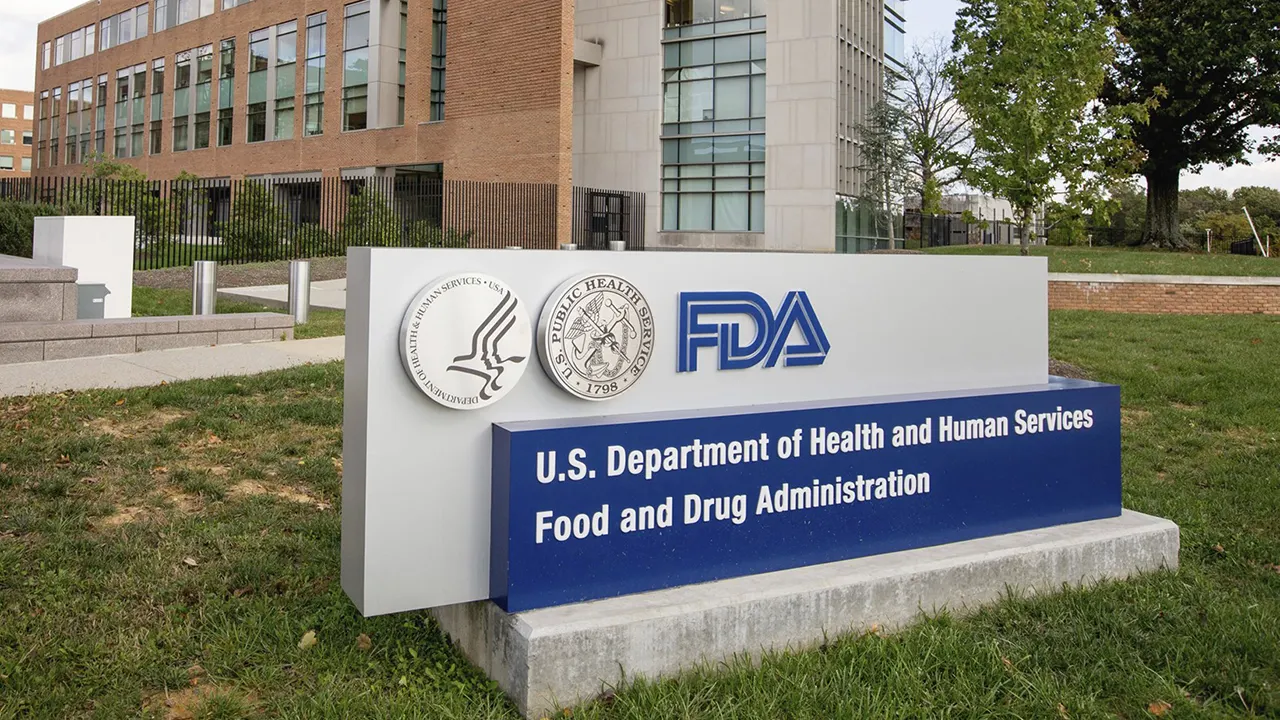
The U.S. Food and Drug Administration (FDA) has approved Eli Lilly’s weight loss drug, Zepbound, for treating moderate-to-severe obstructive sleep apnea (OSA), the most common sleep-related breathing disorder. This approval marks the first drug treatment option for patients with both obesity and OSA, which is characterized by breathing interruptions during sleep due to blocked or narrowed airways. Zepbound, a weekly injection, should be used alongside a reduced-calorie diet and increased physical activity, the FDA stated.

An estimated 80 million people in the U.S. are affected by OSA, with about 20 million suffering from the moderate-to-severe form of the disorder. Alarmingly, 85% of these cases remain undiagnosed, according to Eli Lilly.

Julie Flygare, president and CEO of Project Sleep, a nonprofit focused on sleep health, emphasized that OSA is more than just snoring, urging for greater awareness and conversation about the condition. She expressed hope that Zepbound’s approval would lead to better health outcomes through more informed discussions between patients and healthcare providers.

The approval expands Zepbound’s use beyond obesity treatment, which it was first approved for late last year. The drug’s active ingredient, tirzepatide, is also marketed as Mounjaro, a diabetes treatment. Eli Lilly expects to launch Zepbound for OSA in early 2025 and is also testing the drug for other obesity-related conditions such as fatty liver disease.

Zepbound’s approval may help secure broader insurance coverage, which is a challenge for many weight loss drugs, including Zepbound itself. Current coverage under Medicare for obesity treatments depends on their approval for additional health benefits, like treating OSA.

Zepbound’s approval also highlights the growing body of evidence supporting the health benefits of GLP-1s, a class of medications used for weight loss and diabetes management. Zepbound’s main competitor, Novo Nordisk’s Wegovy, is not approved for OSA.

The new approval provides a significant option for OSA patients who often rely on cumbersome positive airway pressure (PAP) machines to help with breathing. Zepbound offers a more convenient alternative with the potential to resolve OSA symptoms.

In clinical trials, Zepbound demonstrated significant effectiveness in reducing OSA severity. A year-long study showed that Zepbound was more effective than a placebo, with nearly half of patients achieving disease resolution. Zepbound resolved OSA in 43% of patients who were not using PAP therapy and 51.5% of those continuing PAP therapy. This compares to only 13.6% to 14.9% of placebo recipients in the same trials.

The results were based on the apnea-hypopnea index (AHI), which measures the number of blocked or restricted breaths per hour, and used to assess both the severity of OSA and the effectiveness of treatments. Disease resolution is defined as having fewer than five AHI events per hour or a significant reduction in daytime sleepiness, according to Eli Lilly.

 

Imitation Ozempic Floods Market: Evaluating Risks, Costs, and Alternatives

The Surge of Injectable GLP-1 Medications and Access Challenges
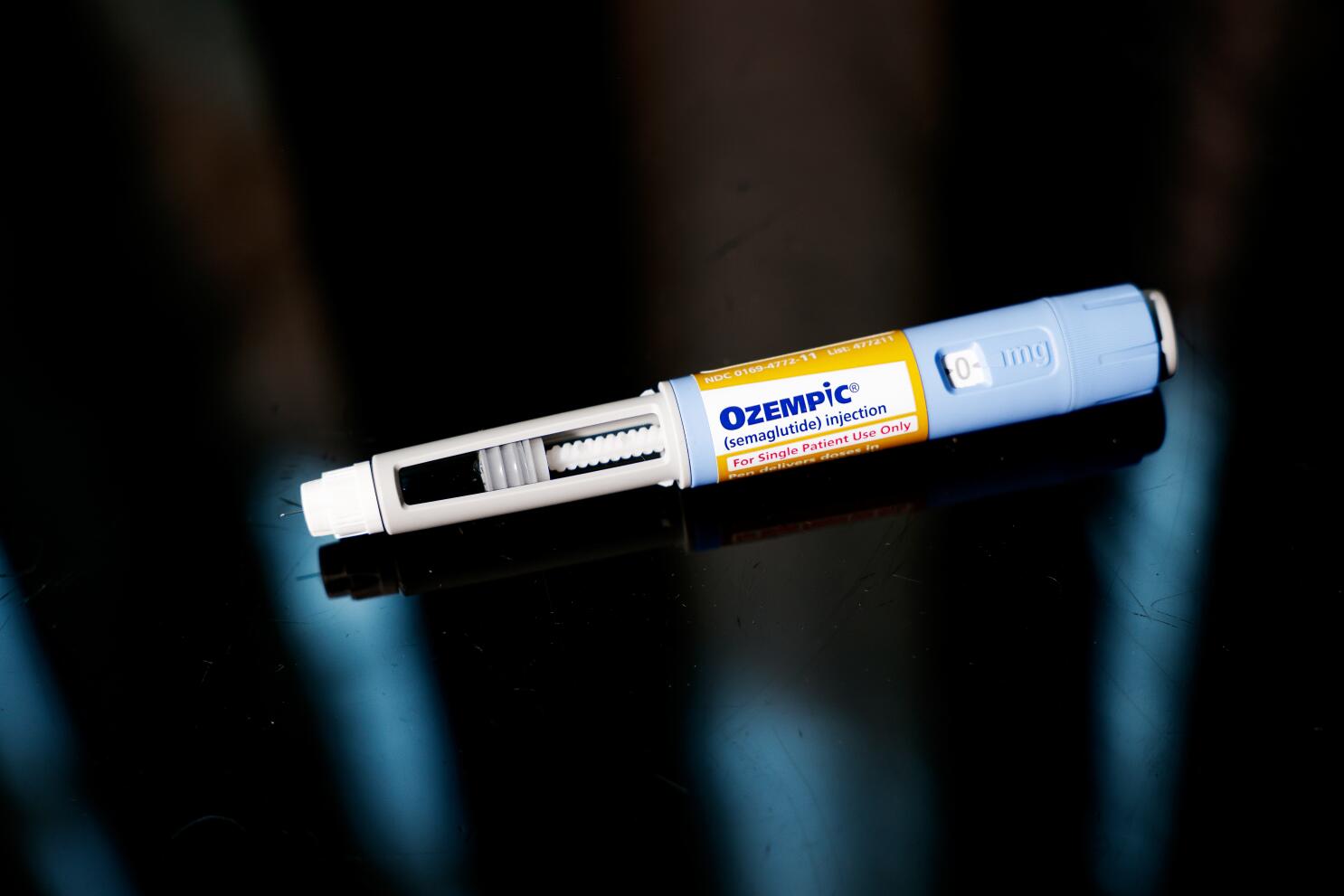
In recent years, injectable medications such as Ozempic, Wegovy, and Mounjaro have gained prominence for their effectiveness in aiding weight loss and managing blood sugar levels. These drugs, classified as GLP-1 receptor agonists, have transformed the treatment landscape, with sales reaching billion-dollar figures. However, their high monthly costs, ranging from £800 to £1,000, present significant access barriers for individuals without insurance coverage that includes weight loss treatments. The situation was further complicated when the Food and Drug Administration (FDA) acknowledged a shortage of these vital medications in 2022, leaving many patients in need without viable options.

The Emergence of Alternative Weight Loss Products
In response to the shortage of GLP-1 medications, a wave of alternative products has flooded the market. With soaring demand for effective weight-loss solutions, various dietary supplements—ranging from pills and teas to herbal extracts—have claimed to offer similar benefits. However, these alternatives often contain unregulated and potentially harmful ingredients, including stimulants and laxatives that may pose significant health risks. Alarmingly, poison control centers have reported a spike in health issues related to these off-brand weight loss products, raising concerns among healthcare professionals about their safety and efficacy.

Compounding Pharmacies as a Solution
Compounding pharmacies have surfaced as a potential alternative for those struggling to access brand-name GLP-1 medications. These specialized pharmacies can create tailored formulations of semaglutide and tirzepatide, typically at lower costs ranging from £250 to £400 per month. While this option provides a more affordable route for many patients, it is not without its risks. The regulatory oversight governing compounding pharmacies is often less stringent than that of traditional pharmaceutical manufacturers, leading to significant concerns regarding the quality and safety of compounded medications. Patients must exercise caution and due diligence when considering these alternatives.

The Importance of Informed Decision-Making
As the landscape of weight-loss treatments evolves, individuals are urged to prioritize informed decision-making. Consulting healthcare professionals is crucial in navigating the complexities of available options, including the potential risks associated with alternatives to GLP-1 medications. In addition to exploring safe alternatives, individuals should remain vigilant about their health and wellbeing, ensuring that their choices support their long-term goals. Ultimately, addressing the challenges posed by high medication costs and shortages requires a collaborative effort among patients, healthcare providers, and policymakers to create sustainable solutions that prioritize patient access to effective and safe treatments.

GLP-1s Beyond Weight Loss and Diabetes: Exploring New Therapeutic Frontiers

The potential health benefits of GLP-1 (glucagon-like peptide-1) drugs, known for their use in weight loss and diabetes management, are expanding. Novo Nordisk recently revealed that its GLP-1 drug liraglutide may slow Alzheimer’s disease progression by protecting the brain, according to new mid-stage trial data. Additionally, another study indicated that semaglutide, found in Novo Nordisk’s Wegovy and Ozempic, could aid smoking cessation. These GLP-1 treatments mimic gut hormones to suppress appetite and regulate blood sugar, and researchers believe they might also reduce inflammation and treat other conditions.

However, more extensive research and longer trials are necessary before regulators can approve these drugs for additional uses. The FDA took a significant step in March by approving Wegovy to reduce the risk of serious heart complications. This could increase pressure on insurers to cover these treatments, which often cost around $1,000 per month. Here are other conditions GLP-1s are being tested for:

1. Cardiovascular Health:
• Wegovy has been shown to reduce the risk of heart attack, stroke, and death from cardiovascular causes by 20% in obese patients with heart disease.
• It also alleviated cardiovascular symptoms in patients with obesity, diabetes, and heart failure.
• Eli Lilly’s tirzepatide (in Zepbound and Mounjaro) is being tested in a late-stage trial for obesity and heart failure, expected to conclude this month.

2. Chronic Kidney Disease:
• Novo Nordisk’s Ozempic slowed chronic kidney disease progression in diabetes patients, reducing the risk of death and major cardiac events by 24%.
• Eli Lilly is also studying tirzepatide for obesity and chronic kidney disease in a trial ending in 2026.

3. Fatty Liver Disease:
• Eli Lilly’s Zepbound significantly improved fatty liver disease outcomes in a mid-stage trial.
• Novo Nordisk and other companies like Zealand Pharma, Viking Therapeutics, and Altimmune are also studying GLP-1 treatments for fatty liver disease.

4. Sleep Apnea:
• Zepbound has shown promise in resolving moderate to severe obstructive sleep apnea, and the FDA is reviewing it for this use.

5. Alzheimer’s Disease:
• Novo Nordisk is investigating semaglutide in late-stage trials for Alzheimer’s disease.

6. Addiction:
• Studies are exploring GLP-1s’ potential to curb addictive behaviors, including nicotine and alcohol use. Novo Nordisk is planning a study to see if semaglutide can reduce alcohol consumption.

The broadening scope of GLP-1 applications underscores their potential as versatile treatments for various conditions beyond weight loss and diabetes.