Yazılar

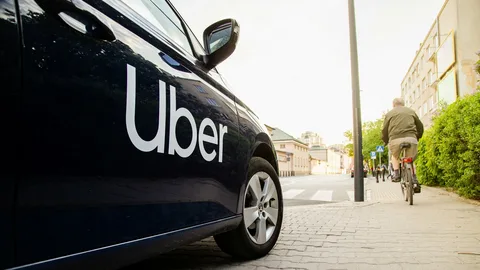
Uber and Momenta to Launch Level 4 Self-Driving Tests in Munich in 2026

Uber and Chinese autonomous driving firm Momenta announced Monday that they will begin testing Level 4 self-driving vehicles in Munich, Germany, starting next year. The move marks Uber’s latest push to expand its robotaxi business beyond the U.S. and China.

Level 4 autonomy refers to vehicles capable of fully automated driving within defined conditions, though regulators still require safety oversight. Germany has emerged as a key testbed for autonomous mobility, with favorable legal frameworks and major automakers advancing the technology.

Uber has sought to secure its place in the robotaxi race through partnerships with Waymo (Alphabet), Lucid, and WeRide, while rivals like Tesla are also scaling their autonomous taxi services.

For its part, Momenta brings significant real-world experience. Its driver-assistance technology is already deployed in 400,000 vehicles globally through automaker partnerships. The collaboration with Uber, first announced in May, aims to accelerate deployment in international markets outside the U.S. and China.

The launch in Munich underscores the intensifying global competition in autonomous mobility, even as regulators maintain tight scrutiny following high-profile accidents in the sector.

Uber Teams Up with Pony AI to Launch Self-Driving Taxis in Middle East Pilot Program

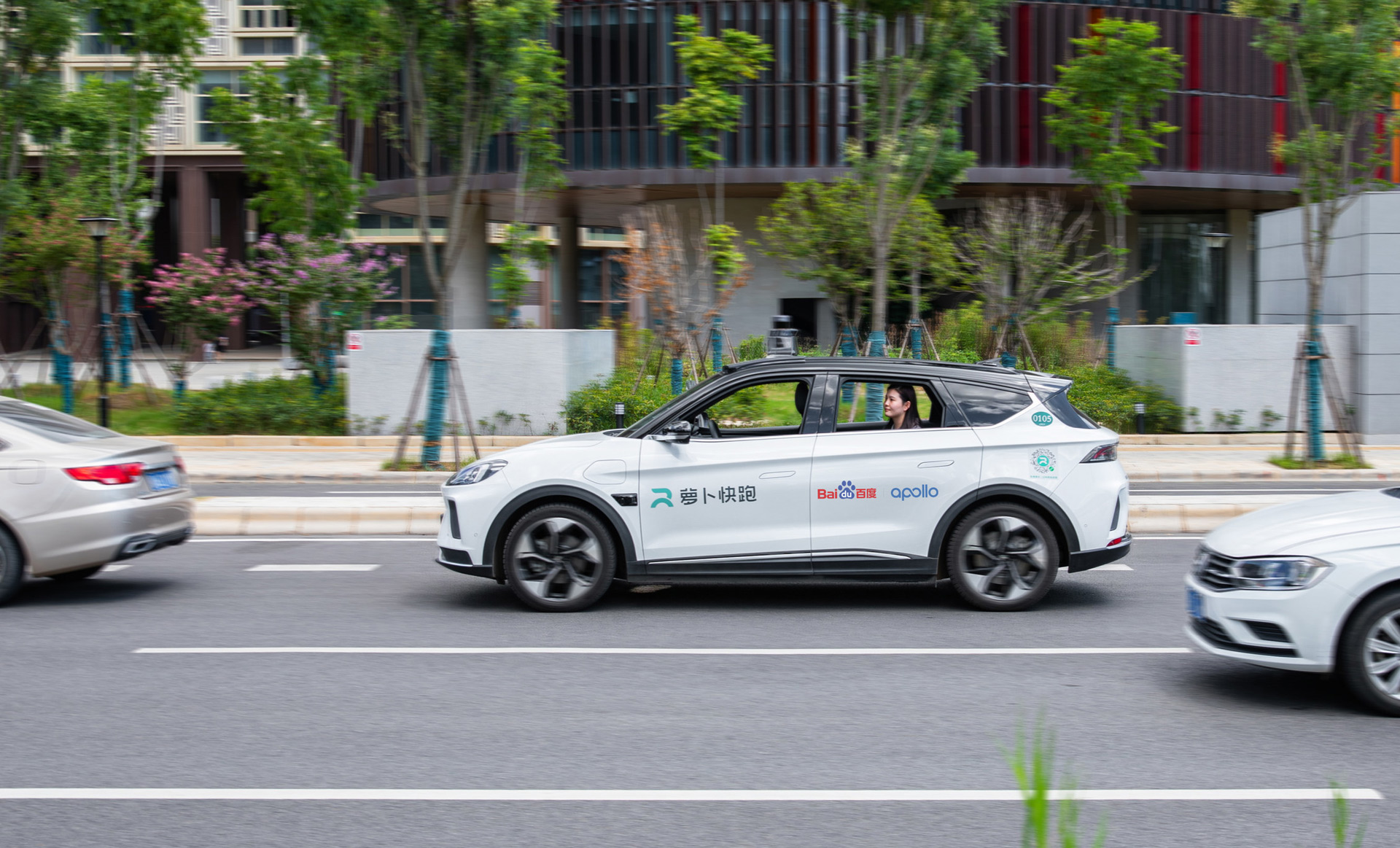
Uber announced on Tuesday a new partnership with China-based autonomous driving company Pony AI, marking its latest move to expand into the robotaxi market. The collaboration will begin with a pilot launch in a key Middle Eastern market later this year, with plans for further international rollout.

During the pilot phase, Pony AI vehicles will operate with onboard safety drivers, with the goal of transitioning to fully autonomous commercial service as regulatory and technical milestones are met.

The deal is part of Uber’s growing portfolio of partnerships aimed at strengthening its foothold in self-driving mobility, as it competes with rivals like Lyft and Tesla. In recent weeks, Uber also announced collaborations with May Mobility and Momenta, and expanded its strategic alliances with WeRide and Alphabet’s Waymo.

Pony AI shares rose nearly 13% in premarket trading following the news, while Uber shares dipped slightly by 1%. Pony AI, which went public on Nasdaq in November, is backed by Toyota and has active robotaxi licenses in major Chinese cities including Beijing, Shanghai, Guangzhou, and Shenzhen. The company is also exploring expansions into South Korea, Luxembourg, Hong Kong, and other international markets.

As the U.S. government continues to ease certain regulatory barriers for self-driving vehicles—while requiring incident reporting—companies like Uber and Pony AI are accelerating efforts toward large-scale robotaxi deployment.

WeRide’s Shares Jump 19% in Nasdaq Debut Amid Renewed Investor Appetite for Chinese Tech Stocks

Chinese autonomous driving startup WeRide saw its shares surge 19% in its Nasdaq debut on Friday, following a $440.5 million raise through its initial public offering (IPO) and private placement. This marked a positive market entry for Chinese firms after an extended period of regulatory tensions between China and the United States. The success is seen as a signal of growing U.S. investor interest in Chinese companies, particularly in high-demand tech sectors.

WeRide’s IPO raised approximately $120 million by pricing 7.74 million American depositary shares at $15.50 each, while an additional $320.5 million came from a concurrent private placement, positioning the company’s valuation over $4 billion. WeRide is a prominent player in autonomous driving, with projects spanning taxis, vans, buses, and even street sweepers across 30 cities in seven countries.

ROBOTAXI SECTOR HURDLES

Industry analysts caution that while WeRide’s debut offers optimism, achieving viable robotaxi services faces ongoing challenges in safety, reliability, and adaptability to complex real-world environments. In China, where regulatory approvals have been more accommodating than in the U.S., WeRide and other autonomous vehicle companies are advancing trials and commercial pilots more rapidly. However, the Biden administration has proposed restrictions on Chinese technology within U.S. autonomous vehicles, citing security concerns, which may impact future expansions of Chinese autonomous firms in the U.S.

As the autonomous driving sector advances, firms like Tesla, which recently showcased its own robotaxi and robovan, and Pony AI, which filed for its own Nasdaq listing, watch WeRide’s performance closely as a benchmark for the industry’s potential and investor interest.