Yazılar

EU to make WhatsApp more responsible for tackling harmful content

The European Commission has formally designated Meta-owned WhatsApp as a “very large online platform” under the EU’s Digital Services Act, increasing its responsibility for addressing illegal and harmful content. The designation specifically applies to WhatsApp’s channels feature, not to its core private messaging service.

According to the Commission, WhatsApp channels reached an average of 51.7 million monthly active users in the European Union during the first half of 2025, exceeding the 45 million user threshold set by the DSA. Platforms above this limit are subject to stricter obligations, including enhanced risk assessments and stronger measures to limit the spread of illegal content.

The Digital Services Act requires very large platforms to invest more heavily in content moderation systems, a process that can be costly due to the scale of data involved and that also raises concerns around user privacy. Other companies already classified under the same category include Meta’s Facebook and Instagram, Google’s YouTube, TikTok, Temu and Microsoft’s LinkedIn.

Following the designation, Meta has four months to bring WhatsApp channels into full compliance with the additional DSA requirements, setting a deadline of mid-May 2026. A WhatsApp spokesperson said the company remains committed to improving safety and integrity measures as its channels continue to grow across the EU and globally.

FTC Appeals Ruling in Meta Antitrust Case Over Instagram, WhatsApp Deals

The U.S. Federal Trade Commission has appealed a court ruling that dismissed its antitrust case against Meta Platforms, seeking to revive claims that the company illegally built monopoly power by acquiring Instagram and WhatsApp. The FTC said its position remains unchanged despite last year’s dismissal.

The agency argues that Meta’s purchases of Instagram in 2012 and WhatsApp in 2014 harmed competition by eliminating emerging rivals. It has asked the courts to reconsider forcing a potential breakup or divestment of the platforms. Meta was sued in 2020, years after regulators initially approved the deals.

U.S. District Judge James Boasberg ruled in November that Meta does not currently hold a monopoly, citing strong competition from platforms such as TikTok. Meta said the decision correctly reflects the competitive landscape and said it will continue investing and innovating in the United States.

Meta Exempts Italy From WhatsApp Ban on Rival AI Chatbots After Antitrust Order

Meta Platforms will exclude Italy from its planned ban on rival artificial intelligence chatbots on WhatsApp, following an order from the country’s antitrust authority, according to a notice sent to AI providers and developers and seen by Reuters.

Italy’s competition watchdog, AGCM, last month instructed Meta to suspend the proposed ban while it investigates the company for a suspected abuse of market power, after complaints from rival AI providers. At the European level, the European Commission is also examining whether Meta violated competition rules by restricting access for third-party AI chatbots on WhatsApp, although it has not imposed interim measures.

Blocking rival AI providers from WhatsApp could significantly benefit Meta’s own chatbot and virtual assistant, Meta AI, which was integrated into the messaging platform last year. Critics argue that limiting competitors’ access would further strengthen Meta’s position in AI-powered consumer services.

In its notice to developers circulated earlier this month, Meta said that phone numbers with an Italian country code (+39) are currently exempt from WhatsApp’s updated terms of service, in order to comply with the Italian regulator’s order. The revised terms are scheduled to take effect on January 15 for users outside Italy.

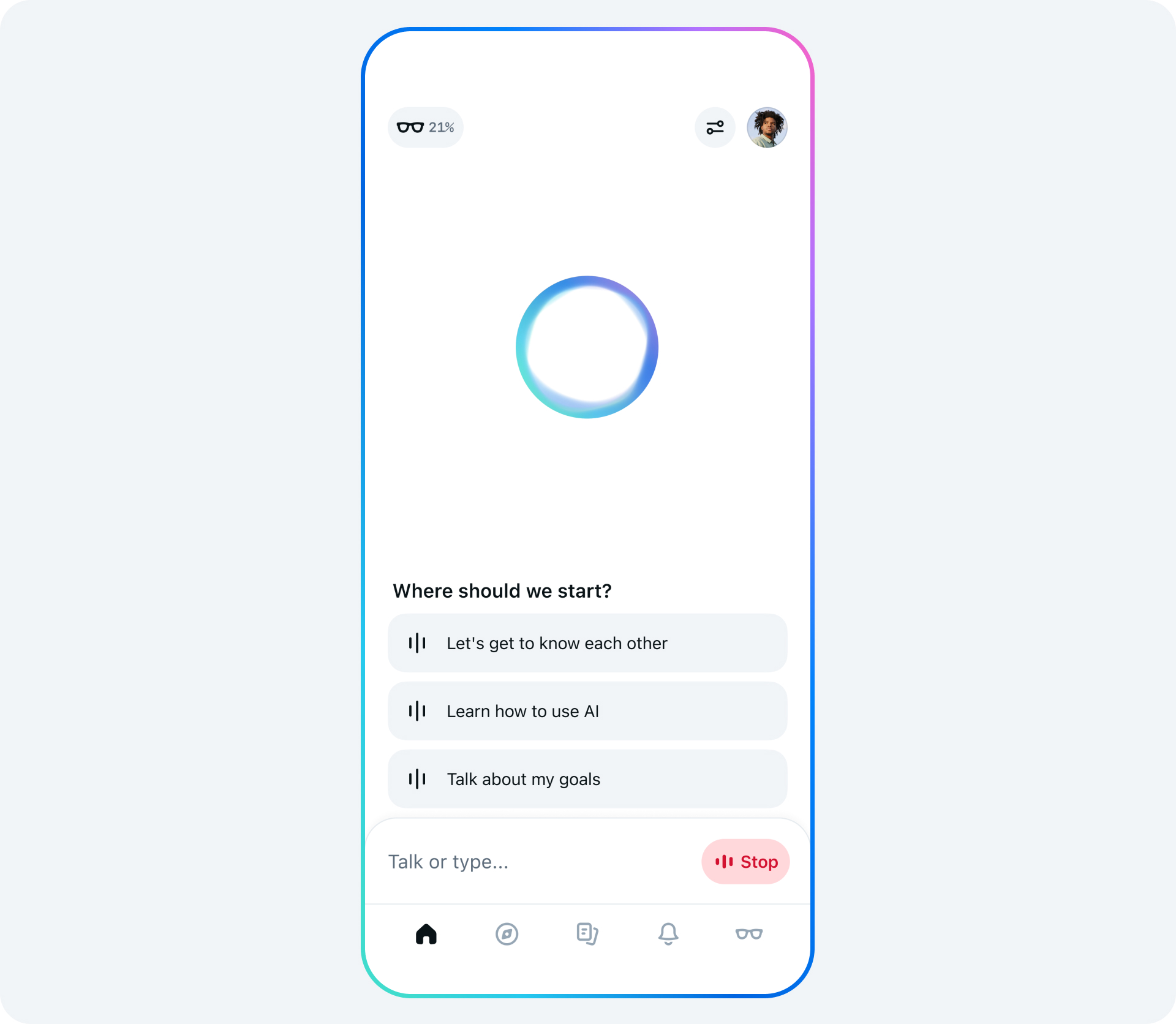
Introducing the Meta AI App: A New Way to Access Your AI ...

Meta declined to comment on the changes, referring instead to a previous statement that said the rapid emergence of AI chatbots has placed strain on WhatsApp’s systems, which were not originally designed to support such services. The Italian antitrust authority also declined to comment.

The Italian carve-out drew sharp criticism from rivals. The Interaction Company of California, which developed the AI assistant Poke.com and filed complaints with both Italian and EU regulators, said Meta’s response was insufficient.

“Meta’s move to keep enforcing its new WhatsApp API policy—shutting out AI rivals like Poke.com while only carving out +39 numbers—is deeply disappointing,” said Marvin von Hagen, the company’s co-founder and chief executive. He added that the Italian authority had already found Meta’s conduct to be, at first glance, anti-competitive under EU law, and urged the European Commission to adopt interim measures across the bloc.