Yazılar

Seagate Projects Third-Quarter Revenue Below Expectations Amid Slow PC Market Recovery

Seagate Technology has forecasted a disappointing third-quarter revenue, projecting figures below analyst expectations due to weak sales of its storage devices for personal computers, as the PC market remains sluggish.

Key Points:

  • Weakened PC Market: Despite the integration of on-device AI features and an expected Windows 11 refresh cycle, Seagate’s outlook reflects the ongoing struggles in the PC market. Global PC shipments in 2024 saw only a 1% rise, with the total number of units falling below 250 million for the second consecutive year.
  • Revenue Forecast: Seagate anticipates third-quarter revenue to be around $2.10 billion, plus or minus $150 million. This forecast is below analysts’ average estimate of $2.19 billion, based on data from LSEG.
  • Profit Estimates: Seagate expects an adjusted profit of $1.70 per share for the third quarter, which is slightly above analysts’ estimate of $1.69.
  • Cloud and AI Prospects: While the forecast is gloomy for the near term, analysts suggest that the growing investment in infrastructure for generative AI development by cloud providers could provide a boost to Seagate’s sales in 2025. Seagate’s disk drives are crucial for storing vast amounts of data, making the company a key player in the evolving AI-driven tech landscape.
  • Recent Performance: For the second quarter ending Dec. 27, Seagate reported revenue of $2.33 billion, in line with analysts’ expectations of $2.32 billion.

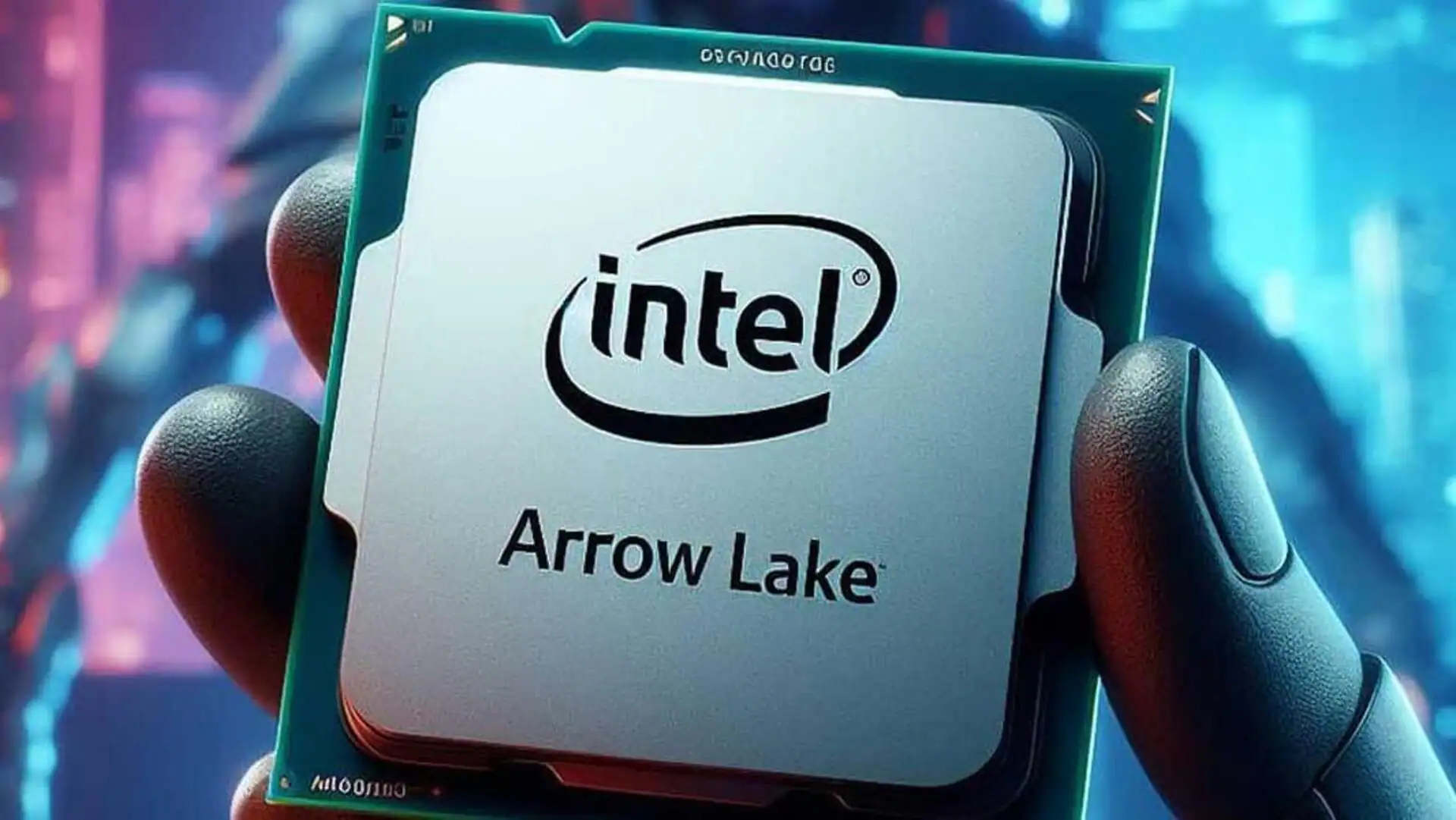
Intel Unveils Arrow Lake CPU Update to Address Performance Concerns

Intel Addresses Arrow Lake CPU Performance Concerns with Critical Updates

Intel has released a series of updates for its Arrow Lake CPUs, aiming to resolve key performance issues identified after their October launch. The Core Ultra 200S processors, part of the new lineup, faced criticism when benchmark results fell short of the company’s initial claims. Following an in-depth investigation, Intel confirmed that five specific issues were impacting performance, with four of these now fixed through the latest updates.

Root Cause Analysis Reveals Multiple Issues

In a detailed blog post, Intel outlined its findings, revealing that the performance discrepancies stemmed from a combination of firmware bugs and optimization gaps in its Core Ultra 200S series. These issues ranged from power management inefficiencies to misaligned core scheduling, all of which contributed to subpar results during real-world and synthetic testing scenarios. The company reassured users that the identified problems were primarily software-based and did not require hardware modifications.

Updates and Improvements Rolled Out

The newly released patches address four of the five performance-affecting issues. According to Intel, these updates enhance task scheduling efficiency and improve the processor’s ability to manage complex workloads. Users with affected CPUs are advised to download and install the patches via Intel’s official website or through automated update systems for supported motherboards.

Remaining Issue Under Investigation

While most concerns have been resolved, Intel acknowledged that the fifth issue—related to thermal throttling under specific workloads—requires further analysis. The company is committed to rolling out a fix in early 2025, ensuring that the Core Ultra 200S processors meet their intended performance benchmarks. This proactive response from Intel reflects its focus on maintaining user trust and delivering high-performance computing solutions.

Micron Shares Drop as Sluggish PC Demand and Weak Forecast Cloud AI Growth Potential

Micron Technology’s shares fell by approximately 15% on Thursday after the company issued a grim forecast for the upcoming quarter, highlighting weak demand for personal computers (PCs) and smartphones, which overshadowed the positive growth in its AI-related chip sales.

Weak Demand for DRAM Chips

The market for dynamic random-access memory (DRAM) chips, which are commonly used in personal computers and smartphones, has been struggling since the end of the pandemic. This decline is driven by a lingering supply glut and continued sluggish demand from consumers. As a result, Micron’s forecast for its flash memory chip revenue in fiscal 2025 looks bleak, as these chips are heavily dependent on PC and mobile phone shipments. According to William Kerwin, an analyst at Morningstar, the post-pandemic growth in demand for traditional PCs has not met expectations, and AI-enabled computers have yet to achieve widespread popularity.

Slow Transition to Windows 11

Micron is also facing headwinds from the slower-than-expected adoption of Windows 11, after Microsoft announced the end of support for Windows 10. This gradual transition has contributed to the challenges in the broader PC market, impacting demand for memory chips.

If the losses hold, Micron’s market value could decline by more than $17 billion, bringing it to approximately $99 billion. This downward shift in value reflects concerns about Micron’s ability to recover from these demand-related issues.

Growth in AI Chips and High-Bandwidth Memory

Despite the challenges in the PC and mobile markets, Micron has seen strong growth in its high-bandwidth memory (HBM) chips, which are used in advanced AI systems. Revenue from these chips more than doubled sequentially, and Micron is positioning itself to take advantage of market expansion opportunities from data center investments in 2025. Analysts from Piper Sandler believe that Micron’s HBM segment remains intact and will continue to drive growth.

Micron is one of only three major HBM chip providers, alongside SK Hynix and Samsung, which has helped boost its stock by around 22% this year. Analysts expect HBM demand to remain a key driver of Micron’s performance moving forward.

Analyst Reactions

Despite the positive outlook for AI-related chips, at least 10 brokerages have lowered their price targets for Micron following its disappointing earnings results. According to data from LSEG, Micron’s 12-month forward price-to-earnings ratio is now 10.67, significantly lower than Qualcomm’s 13.4 and Advanced Micro Devices’ 23.97.